
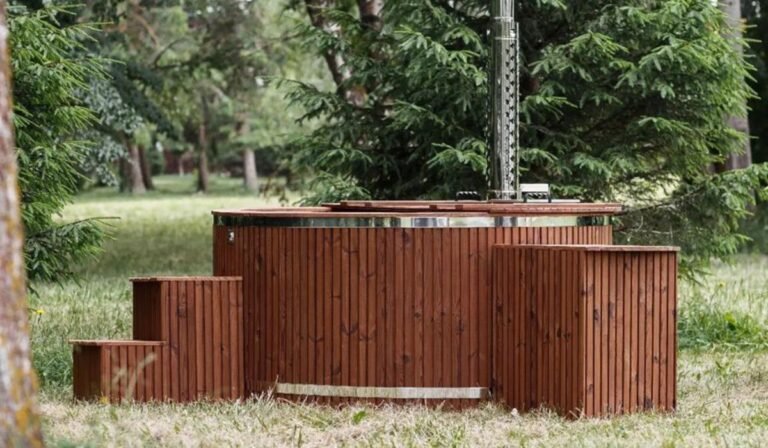
A wood-fired hot tub generally costs less to operate than an electric one if you have a cheap or free fuel source, but an electric one wins on convenience and monthly budget variations, but has a higher and steadier energy bill. For the average UK household purchasing logs at retail prices, the running costs are surprisingly closeand the pain of operating one hinges less on headline fuel price and more on your usage pattern: serious weekly soakering versus occasional weekend bathing results in very different conclusions. This comparison becomes a little unclear, of course, because the two systems don’t “cost” the same.
A wood-fired tub front-loads both the effort and the expense into each separate heat-up, while an electric tub counters this with a flat rate of relatively low heating over time. Once that’s clear, you can properly determine which form is a better value for yourself.
What does it cost to heat a wood-fired hot tub?
A wood-fired tub heats water with a stove either beneath or to one side of it, and cost per soak is almost entirely related to how much you pay for your wood. To heat the standard size tub (say 1,000-1,500litres) from cold will take around two to four hours, and use between 15 and 30 kg (dry) of hardwood, based on stove design, starting water temp and how cold the day is. If buying kiln-dried logs at retail this could cost a few pounds a soak, if getting free or cheap season-wood it approaches zero. The key difference in the structure, is that a wood-fired tub is almost free to upkeep in between uses.
You heat it, you use it, and when you’ve finished the water gradually cools down. There is no running charge whooshing away in the background. That makes a per-session model brilliantly inexpensive if you indulge in the tub once or twice a week and don’t mind sitting around.
What does it cost to run an electric hot tub?
An electric tub will heat and then maintain the water temperature with an electric element (usually 2kW to 3k W) and a circulation pump, but most importantly it maintains this temperature so that it’s hot and ready when you want it. It’s this remaining heat that is expensive. At current electricity prices in the UK, a standard modern well-insulated tub in regular use tends to come in at somewhere around 30 to 60 a month, but is easily much more for poorer insulation, a cold winter and high set temperature.
Insulation and cover quality make a huge difference to figures. A tub with a thick well-fitting insulated cover and good cabinet insulation will lose so much less heat overnight, that with the heat lasting, you’ll see the most of your garden all winter, compared to a cheap unit with a thin cover. The biggest variable for electric running costs, and the one that is hardest to see when comparing sticker prices between models.
So which one is genuinely cheaper over a year?
For the casual user who is running the logs through at full retail prices, you might find your annual operating costs to be quite close to each other, or at least of similar magnitude, once the electric tub’s standby losses are considered, offset by the number of uses through the wood tub (as each session uses fuel). The wood pellet option clearly wins when the wood is inexpensive or free, which is a reasonable assumption for the landowner, someone living in the countryside and who can readily purchase off-cuts, or sourced elsewhere. In that case the operating cost benefit is valid.
Geography and type of property tilted it. A country property with a log store and room for a fire would suit wood best, though electric suits a small city garden, where smoke and storage are awkward and restrictions on smoke control might apply much better. Frequency tilted it back again because those who would use it daily benefit from the consistent, ready-when-you-wanting nature of electric, while for twice-a-month users the savings of having wood instead of all those standing losses would mount up.
If the low running cost and the ritual appeal to you, it is worth looking at how the better wood-fired hot tubs are built, since stove efficiency and tub insulation vary a lot between makers and directly affect how much wood each session burns. The difference between an efficient submerged stove and a basic one can be several kilograms of wood per heat-up, which adds up fast over a year of regular use.
What costs do people forget when comparing the two?
Maintenance and consumables nudge the purchase price way into the background. An electric tub generally has a filtration and chemical dosing system, so you are paying for chlorine or bromine, filter cartridges and the odd chemical dosing, perhaps a few hundred quid a year, based on usage. A large proportion of wood-fired hot tubs are run in a much more simplified manner, sometimes being drained and refilled rather than chemically treated, which switches the water cost and effort into the consumable expense, But a larger tub that is used more frequently will still require some form of water treatment.
Long term, it will be the lifespan and cost of repairs that count. Electric spas have more bits that can go wrong pumps heating elements and control boards that can break and cost a lot to replace compared to a simple wood-fired stove with hardly any parts that can break. Conversely, electric spas tend to be more luxurious, with jets, seats and a more easily controllable temperature that electrically heated models might not have, so you are paying for a different experience not just heat.
