

People continue to move to Nashville each year, and new businesses, as well as new investors, are attracted to this booming area. This growing population is the very reason why many choose to invest in Nashville real estate. House and rental prices have increased due to population growth. Therefore, investing in Nashville property now is a much different deal compared to just several years ago.
However, there are certain things an investor needs to learn when entering this hot market to avoid getting caught off guard. For example, zoning restrictions change from block to block, some neighborhoods have much higher potential than others, and a profitable project on paper may turn out to be unprofitable once you take actual expenses and local regulations into account.
Here is what every investor should know before buying a rental property in Nashville.
Nashville’s Population Growth Keeps Rental Demand Strong
Nashville’s population is not decreasing, and this is important to investors far more than any other factor. The figures from the U.S. Census Bureau show that Davidson County is among the fastest-growing counties in Tennessee, gaining thousands of new residents annually. Since additional residents require housing, the rental market remains stable despite rising property prices.
But most of these new residents relocate for work in health care, IT, and corporate roles, which is why many of them choose to rent rather than buy. That said, growth alone does not guarantee profit. An investor still needs to look closely at where that growth is concentrated before choosing a rental property in Nashville, TN, since demand varies widely from one part of the metro to another.
Rental Rates Vary Significantly by Neighborhood
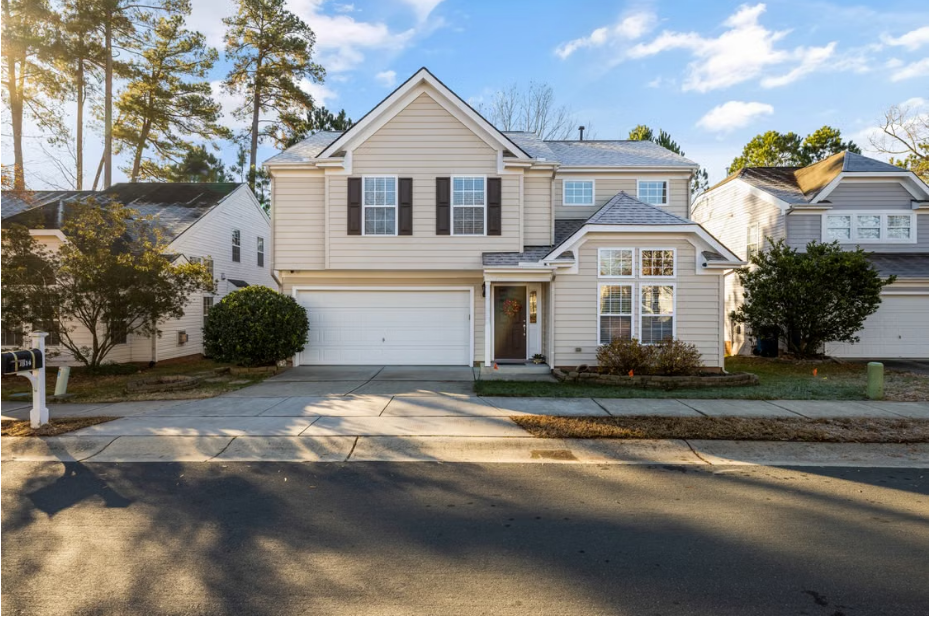
Nashville is not one uniform rental market, and treating it that way is one of the most common mistakes new investors make. Rents in The Gulch or downtown often run well above $2,000 for a one-bedroom. At the same time, neighborhoods like Antioch, Madison, or White House offer considerably more affordable entry points with steady tenant demand. Data from Zumper’s 2026 rent research shows this spread clearly, with citywide averages masking wide swings between the priciest and most affordable pockets of the metro.
Because purchase prices tend to track these same neighborhood differences, a lower-cost suburb does not automatically mean lower profit. In many cases, it yields a higher ratio of the property’s cost to what it can realistically rent for each month. So, instead of chasing the flashiest zip code, it usually pays off more to compare cash flow potential across several suburbs, including areas like Hendersonville, Gallatin, and Goodlettsville, which tend to offer a better balance between purchase price and achievable rent.
Short-Term Rental Rules Are Stricter Than Many Investors Expect
Anyone planning to host an Airbnb in Nashville would be wise to consider zoning requirements first, as the city has significantly altered its regulations on short-term rentals in recent years. According to information from Nashville.gov, short-term permits, which do not involve owner occupancy, are permitted only in select zones, and new permits are not issued in typical residential zones.
This means that, despite looking great on paper, certain properties may not qualify under zoning requirements, thereby protecting an investor from a costly mistake. In this regard, it is often easier for investors to go for the conventional option, which, in some cases, is the only option due to zoning laws in certain neighborhoods. Moreover, even in places where short-term rentals are legal, a property owner may be prevented from renting in this way due to HOA and condominium regulations.
Property Management Makes Or Breaks Long-Distance Ownership
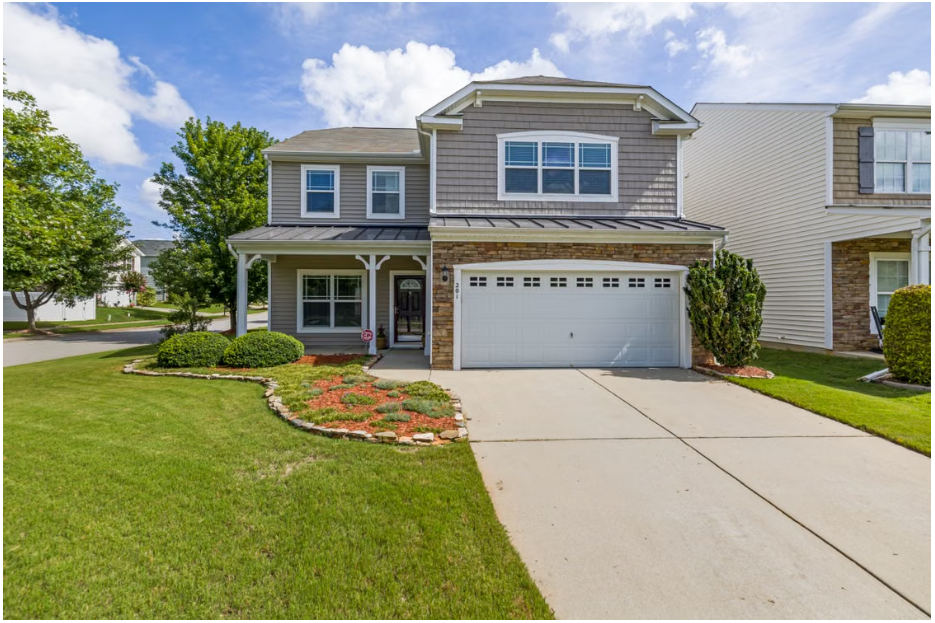
When buying rental properties from out of state or just across town while juggling a demanding workday, an extra risk comes into play that many inexperienced investors tend to overlook. Screening tenants, addressing maintenance issues, managing lease agreements, and handling evictions each require time and attention, and failure in any of these processes can dramatically harm profits for an entire year.
It is precisely because of the reasons listed above that many investors prefer working with a local property management company rather than managing their property themselves. An organization that already operates in neighborhoods such as East Nashville, Donelson, Inglewood, and Old Hickory possesses an important advantage that cannot be easily duplicated: experience working in this particular market and knowledge of how to rent and manage property efficiently in Tennessee.
Certain Suburbs Offer Better Cash Flow Than Downtown
Though the city center of Nashville attracts most of the countrywide publicity, it typically doesn’t offer a good investment opportunity for the buy-and-hold investor. The high cost of properties in the downtown area reduces cash flow, even when rents are high, because the difference between property cost and rental price is smaller in the most competitive areas.
Suburbs like Mt. Juliet, White House, and parts of Antioch tend to offer a more favorable purchase-to-rent ratio, which usually matters more to long-term investors than appreciation potential alone. Comparing a handful of these submarkets side by side, rather than assuming downtown is automatically the safest bet, tends to lead to a much stronger long-term investment, especially for anyone planning to hold the property for five years or more.
Final Thought
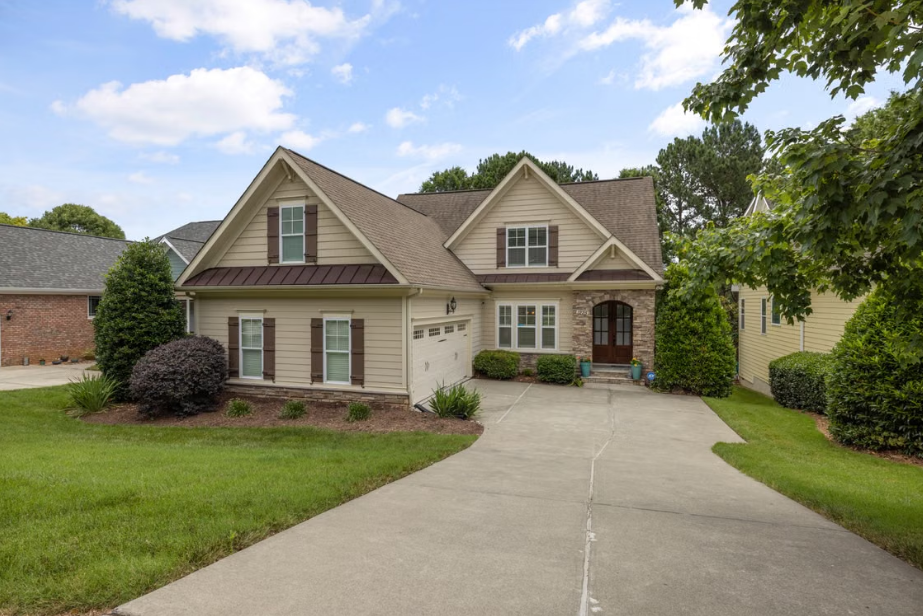
Buying rental property in Nashville can be very profitable, but not if the decision is made based on reputation rather than facts. Population growth is an important factor in increasing demand, but rent prices vary across neighborhoods; short-term rentals are restricted in some areas, and there is also a question about the practicality of property management.
None of those elements exist in isolation; if you have a good area with bad zoning laws, or vice versa, it still ruins your chances. In addition, even an accurate price estimate of a rental property does not guarantee anything if you do not have proper management. The combination of experience in the area and searching for the actual listings can give you an edge.
