
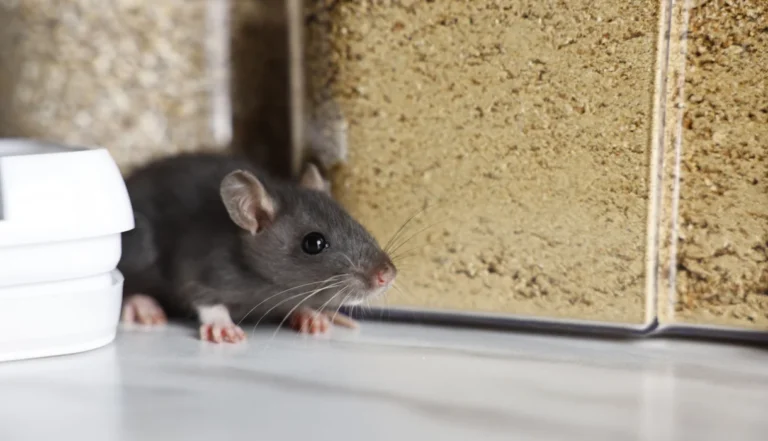
Imagine you’re comfortably tucked up in bed when an unmistakable rustling sound drifts from the utility room. That faint scratching behind the washing machine is often enough to ruin an otherwise peaceful night.
But before you turn into a one-person pest control unit armed with a torch and mouse traps, it helps to understand why rodents seem so drawn to this particular space.
Here’s why your utility room may be attracting rodents and what you can do to make it less inviting.
Utility Rooms Provide Warmth
The primary draw of this room is the incredible amount of heat generated by your hardworking modern appliances.
Washing machines, tumble dryers, boilers, and exposed hot water pipes pump out a continuous, glorious stream of residual warmth. This creates a perfect microclimate that keeps the chilly British weather firmly at bay.
To a shivering urban mouse or rat, your utility room looks like a cosy retreat during cold weather. While most people visit the room only when laundry demands attention, rodents are more than happy to appreciate its heating arrangements year-round.
It’s the ultimate winter getaway, tucked safely away from the frosty London streets.
There Is Easy Access to Water
Many homeowners focus entirely on food sources, completely forgetting that rodents need a regular water source just as much as a daily meal.
Utility rooms often provide a surprisingly reliable source of moisture, offering rodents easy access to the water they need.
Between dripping washing machine hoses, leaking valves, and deep utility sinks, a thirsty pest never has to wander very far.
Even if you don’t have an active puddle, the high levels of condensation and small damp areas behind your appliances are more than enough. A couple of drops of water clinging to a cold pipe provide a perfectly adequate watering hole for a mouse.
Clutter Creates Endless Hiding Places
Let’s face it, the utility room is often where miscellaneous household items go when nobody knows what else to do with them. Overflowing laundry baskets, towering storage boxes, stacks of cleaning supplies, and forgotten corners can form a dense, protective labyrinth.
To a mouse, a chaotic heap of towels or a stack of cardboard boxes looks like the perfect place to settle down.
It offers instant insulation, safety, and an endless supply of soft nesting materials. The longer that pile of laundry sits on the floor, the easier it is for them to move around completely unseen. Clutter simply gives them plenty of quiet corners to stay out of your way.
The longer those mystery piles sit undisturbed, the more inviting they become.
Human Traffic Is Low
Despite being the engine room of the house, human traffic in the utility room is remarkably low. Most people only spend a few fleeting minutes in the room to chuck a load of darks into the drum before immediately leaving.
We don’t usually linger there to read a book or chat, meaning the room often remains quiet and undisturbed for long periods.
Rodents instinctively avoid human activity and prefer quiet spaces where they can move around completely unnoticed. They quickly learn your daily routine and figure out exactly when the coast is clear.
Because humans rarely linger there, pests can comfortably explore the space without any fear of interruption.
Utility Rooms Sit Close to Other Valuable Resources
Rodents don’t just look for a place to nest; they look for an easy route to your food. That is why utility rooms are so ideal. They usually share a wall with kitchens, pantries, or back doors, giving pests a hidden, direct path straight to your cupboards.
This gives them the perfect, low-effort shortcut for their midnight kitchen raids.
From this safe staging ground, pests can easily slip under the kickboards to access your pet food, food bins, and food cupboards. It gives them direct, hidden access to your kitchen shelves.
Rodents Can Settle In Without Being Noticed
The real danger of a utility room infestation is that it can grow significantly before homeowners even realise there’s a problem.
The heavy thrum of a spin cycle or the constant hum of a boiler easily masks the subtle scratching noises of a nesting family. You simply assume the odd thud is just your washing machine balancing a heavy duvet.
Additionally, the deep, hidden spaces directly behind these heavy machines make nests incredibly hard to spot.
Unless you’re actively pulling your tumble dryer out from the wall every single week, a rodent family can live right under your nose for months. They’ll be able to enjoy all the perks of indoor living while you remain completely unaware.
Preventing Rodent Infestations
Evicting these unwanted guests doesn’t mean you have to panic or tear down your plasterwork. Here are a few practical, realistic adjustments that can quickly make your utility room lose its five-star appeal:
- Elevate your storage. Clear the floor of all laundry piles, rogue bags, and forgotten cardboard boxes. Keep your dirty clothes safely inside elevated plastic hampers.
- Create a physical barrier. Pull out your appliances and inspect the walls closely for any hidden gaps around the plumbing. Seal up any suspicious holes using a combination of heavy-duty steel wool and expanding foam.
- Secure your pet food. Avoid storing large bags of dry dog kibble or birdseed openly on the floor. Always transfer pet food into heavy-duty plastic or metal bins with secure lids to keep any opportunistic diners out.
- Seal the perimeter. Check the external walls where waste pipes exit the building. Pests can squeeze through surprisingly tiny spaces, so ensure any structural defects are thoroughly patched.
If you’re struggling to clear them out, hiring professional pest control, Chiswick-based services is the only reliable way to find where they’re getting in and stop them for good.
Conclusion
You’ve now got a clear picture of why exactly rodents find utility rooms so hard to resist, and more usefully, what you can do to make yours considerably less welcoming.
With a bit of attention in the right places, you can encourage your unwanted tenants to look elsewhere for accommodation.
