
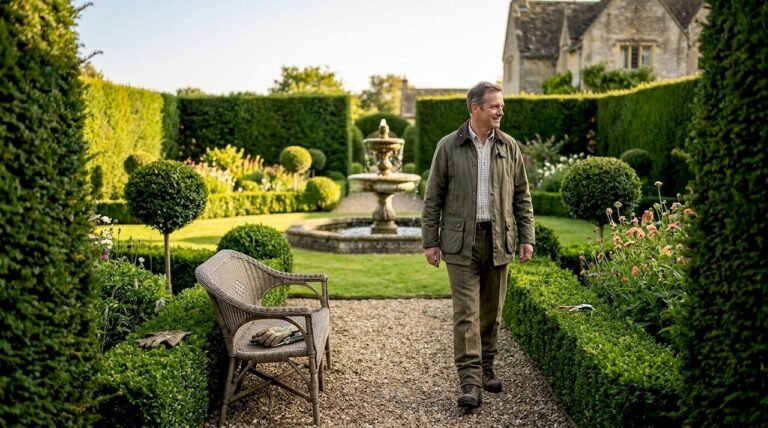
You’ve repainted the hallway, swapped out the kitchen taps, and spent three straight weekends deep-cleaning a bathroom no one even asked you to scrub. And yet, your house is sitting on the market longer than expected.
But the problem might not be your interior decor at all. Landscaping is one of those factors buyers notice before they can even stop themselves. And once they’ve clocked a neglected garden, it’s incredibly hard to get them to look at the rest of the house.
So, if you want to avoid awkward conversations and sell your house faster, keep reading.
First Impressions
Buyers form opinions long before they step foot inside your house. In fact, most people make a definitive gut judgment by the time they’re halfway up your front path. That means your garden is actively pitching your home, whether you like it or not.
When a buyer sees a patchy lawn or paving slabs doing their absolute best impression of a tectonic plate shift, their brain immediately jumps to one conclusion: neglect.
So, even though it may not be true, they’ll think you’ve treated the inside of the house with that same level of enthusiasm.
We see it in the data all the time—strong kerb appeal makes properties feel more valuable in buyers’ eyes. On the flip side, poor landscaping drags offers down before you even get to the negotiation table.
Your front garden sets the tone for the rest of the viewing. And let’s be honest, waist-high weeds aren’t exactly a warm welcome.
Extra Effort
Here’s the truth about overgrown gardens: buyers don’t look at them and see ‘potential.’ They see their upcoming Sundays vanishing into a black hole of manual labour.
Tangled hedges and overgrown plants that are taking over the street paint a clear picture. They tell buyers they’ll be spending their weekends hacking through the brush instead of enjoying a cold drink on the patio. And that’s not a selling point.
Most buyers, especially first-timers, are already stretched to their absolute limits on time, money, and patience for DIY projects. If your garden looks like it requires weeks of hard work, people will head straight back to their cars.
But what about the ones who do stay? They’ll just use the chaos to push for a lower price, because you’ve handed them a bargaining chip on a silver platter.
More Clutter, Less Space
You may have a great, reasonably sized garden, but the wrong layout can still make it feel cramped and uninviting. When you plonk an oversized shed right in the middle or let your hedges expand their territory year after year, you eat away at your usable outdoor space.
When the layout feels open with clear sightlines and defined areas, people instinctively relax and picture themselves living there. If it doesn’t, they start wondering whether they’d need a compass and a flare gun just to find the back fence.
To make matters worse, cluttered gardens are incredibly difficult to photograph well. If your property photos make the space look like an obstacle course, a massive chunk of potential buyers will swipe right past the listing and never book a viewing in the first place.
Easy Fixes That Boost Your Home’s Kerb Appeal
Here’s the good news: you don’t need to spend a fortune to turn things around. Most of the changes that make the biggest impact are easy, inexpensive, and entirely doable over a single weekend before the viewings kick off.
Pressure Wash Everything
Nothing drags down the look of your garden faster than paving slabs cycling through fifty shades of radioactive green. Algae, moss, and grime build up so gradually that you completely stop seeing them, but a fresh set of eyes will spot them instantly.
A quick afternoon with a pressure washer can make your patio or driveway look brand new. It’s the closest thing you have to a magic wand, even if it’s incredibly loud and you’ll probably end up with at least one completely soaked shoe.
So, clean your paving and wipe down your outdoor furniture to make the space look more polished without spending a penny on new materials.
Trim the Hedges
Overgrown hedges can make your property feel darker and abandoned. And once they start swallowing pathways and blocking windows, your whole garden will start feeling more closed in than it actually is.
By trimming them, you’ll let more natural light into the space, open up the sightlines around your garden, and make your property look cleaner and better cared for.
If you’re just dealing with a couple of small bushes, a pair of manual hedge shears will do the trick.
However, if your hedge has officially claimed half the pavement, you’ll want to use a cordless, battery-powered hedge trimmer. It’ll give you plenty of mobility and save you from the high-stakes game of ‘don’t slice the extension lead’ that comes with corded models.
Reseed Patchy Lawn Areas
Muddy bald patches scattered across the lawn can make even a decent garden look neglected. Luckily, reseeding is one of the most cost-effective solutions you can try.
To get the best results, landscaping professionals recommend raking the surface of the bare patch until the soil is loose and crumbly.
Then, scatter your lawn seed evenly across the area and press the seed down gently with your boots or the back of the rake. For the final touch, sprinkle a very thin layer of compost or topsoil over the top to hide the seeds from the neighbourhood pigeons.
Hide the Bins Before Viewings
Nobody has ever pulled up to a house, clocked three wheelie bins lined up along the front path, and thought, ‘Charming.’ They’re necessary, but they shouldn’t be the first thing a buyer sees.
So, tuck them around the side of the house, slide them behind a gate, or hide them somewhere less obvious.
You’re not trying to pretend that the bins don’t exist. You’re just making sure that buyers can focus on the house itself instead of subconsciously planning next Tuesday’s rubbish collection.
Conclusion
Selling a house involves a million variables you can’t control, from market dips to difficult chains. But the state of your garden? That’s entirely in your hands.
So, try out our tips this weekend to make sure your garden isn’t a liability. With just a few tweaks, it’ll become the very first reason for buyers to fall in love with your home.
