
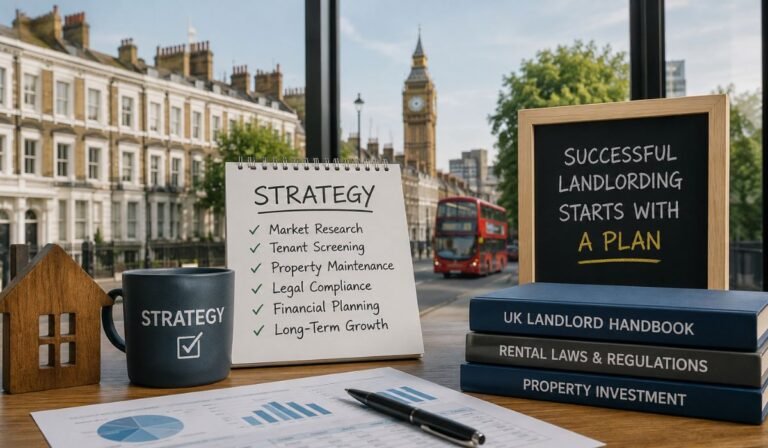
Owning a rental property comes with a wide range of responsibilities. From arranging repairs and carrying out inspections to finding tenants and managing finances, landlords often work through an ongoing list of tasks to keep their property running smoothly.
While these day-to-day responsibilities are essential, they don’t always answer the bigger question: is your property investment moving in the right direction?
Completing a checklist helps you manage a property, but having a clear strategy helps you grow and protect your investment over the long term. As the UK rental market continues to evolve, landlords who regularly review their objectives and plan ahead are often better positioned to maximise returns, minimise risks and adapt to changing market conditions.
In this guide, we’ll explore why every UK landlord should think beyond routine property management and develop a long-term strategy for lasting success.
A Checklist Keeps Your Property Running
Every landlord relies on a checklist to manage routine responsibilities. Typical tasks include:
- Arranging maintenance and repairs.
- Conducting property inspections.
- Responding to tenant enquiries.
- Reviewing rental payments.
- Keeping property records organised.
- Maintaining important safety documentation.
- Preparing the property between tenancies.
These activities are essential because they help ensure your property remains safe, well maintained and attractive to tenants.
However, a checklist is designed to manage today’s priorities, it doesn’t necessarily prepare your investment for tomorrow.
A Strategy Focuses on the Bigger Picture
A property strategy looks beyond daily responsibilities and asks broader questions about your investment. For example:
- Is your property still delivering the returns you expected?
- Are there opportunities to improve its value?
- Does it continue to meet local tenant demand?
- Could planned improvements increase rental income?
- Is your investment aligned with your future financial goals?
Answering these questions helps landlords make proactive decisions rather than reacting when challenges arise.
The Rental Market Never Stands Still
The UK’s private rented sector changes continually. Tenant expectations evolve, neighbourhoods develop and local rental markets respond to economic and demographic changes.
Features that were considered desirable several years ago may now be viewed as standard, while new priorities, such as energy efficiency, flexible living spaces and reliable broadband, have become increasingly important for many renters.
Landlords who regularly review their strategy are better equipped to respond to these changing expectations and maintain a competitive property.
Better Planning Helps Control Costs
Unexpected expenses can quickly affect the profitability of a rental property. A strategic approach encourages landlords to plan maintenance, improvements and budgeting well in advance. Rather than waiting for expensive repairs, consider scheduling:
- Annual boiler servicing.
- Roof and gutter inspections.
- Interior redecoration between tenancies.
- Preventative plumbing checks.
- Exterior maintenance.
Planning ahead often helps reduce emergency repair costs while protecting the property’s long-term condition.
Stronger Tenant Relationships Support Long-Term Success
A successful tenancy benefits both landlords and tenants. Good communication, prompt maintenance and a well-presented property create a positive renting experience, encouraging tenants to remain for longer.
Longer tenancies can help reduce:
- Marketing costs.
- Referencing expenses.
- Void periods.
- Property preparation costs.
- Administrative work associated with frequent tenant changes.
When developing a property strategy, tenant retention should be considered alongside financial performance.
Review Your Investment, Not Just Your Property
Many landlords inspect their property regularly but rarely assess the investment itself. Once each year, it’s worth reviewing:
Financial Performance
- Rental income.
- Annual expenditure.
- Maintenance costs.
- Insurance premiums.
- Overall return.
Market Position
- Comparable rental values.
- Local demand.
- Competing properties.
- Future developments in the area.
Property Condition
- Planned improvements.
- Decorative standards.
- Energy efficiency.
- Long-term maintenance requirements.
Looking at these areas together provides a clearer understanding of how your investment is performing overall.
Think Beyond the Next Tenancy
Many decisions made today can influence your property’s performance for years to come. Ask yourself:
- Could refurbishment increase tenant demand?
- Would upgrading the kitchen improve rental value?
- Is the property suitable for your future investment plans?
- Should you diversify or expand your portfolio?
- Are there opportunities to improve operational efficiency?
Strategic planning encourages landlords to think beyond immediate issues and focus on sustainable growth.
Learn From Local Market Knowledge
Property strategies shouldn’t be based on national trends alone. Understanding your local market is equally important.
Factors such as:
- Tenant demographics.
- Local employers.
- Transport links.
- Planned regeneration.
- Supply of rental properties.
can all influence rental demand and future investment opportunities.
Reviewing local market conditions regularly helps landlords make more informed decisions about pricing, improvements and long-term planning.
Know When to Seek Professional Advice
Even experienced landlords can benefit from an independent perspective. Professional letting agents can provide valuable guidance on:
- Rental valuations.
- Property presentation.
- Tenant demand.
- Market trends.
- Ongoing property management.
- Investment opportunities within the local area.
For landlords in Crewe, Sandbach and the surrounding areas, working with a local property expert can provide valuable insight into current rental values, tenant demand and opportunities to strengthen your investment. The local estate & lettings agent in Crewe offers tailored advice on rental valuations, fully managed lettings and property management services to help landlords make confident, well-informed decisions.
Strategy Helps You Prepare for Change
No landlord can predict exactly how the property market will evolve, but having a flexible strategy makes it easier to adapt.
Rather than responding only when challenges arise, successful landlords regularly review their investment, monitor local trends and plan improvements that support long-term success.
If you’re interested in taking a broader view of property ownership and understanding why many landlords are rethinking how they manage their investments, this expert guide, The Landlord Rulebook Has Changed. Has Your Property Strategy Changed Too?, provides further insight into developing a resilient, long-term approach to buy-to-let property.
Final Thoughts
Managing a rental property successfully requires more than ticking off a list of responsibilities.
While checklists remain essential for day-to-day management, they should form part of a wider strategy that considers financial performance, tenant satisfaction, maintenance planning and future investment goals.
By reviewing your property regularly, understanding your local market and planning ahead, you’ll be in a stronger position to improve returns, reduce risks and protect the long-term value of your investment.
