
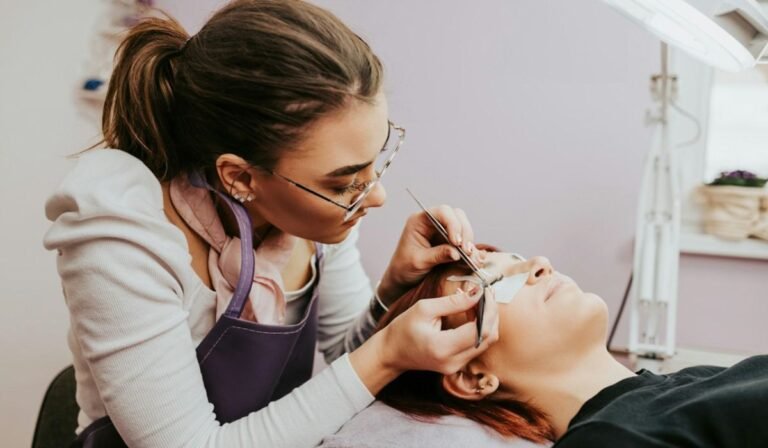
The eye area is one of the most delicate regions of the face, which makes lash services uniquely dependent on thoughtful product selection and professional handling. As clients become more informed, irritation, redness, and post-appointment discomfort are no longer seen as unavoidable side effects but as signals that something in the process needs improvement. For many lash professionals, this shift has placed renewed focus on the most fundamental items in their kits, particularly adhesives and removers. It is increasingly common for technicians to begin their search for these essentials with established suppliers such as https://www.plapro.com/ when sourcing lash adhesives and removal solutions designed specifically for professional use and client eye safety.
Why Eye Irritation Happens During Lash Services
Eye irritation during or after lash extensions can stem from multiple factors, but product choice is often at the centre of the issue. Adhesives that cure too aggressively, removers that migrate too easily, or formulas that are not well matched to a client’s sensitivity level can all contribute to discomfort. Environmental conditions, such as humidity and temperature, can further amplify these effects, causing adhesives to behave unpredictably.
Importantly, irritation is not always immediate. Some clients experience delayed symptoms hours after their appointment, making it harder to identify the cause. This is why professionals are increasingly cautious, treating adhesives and removers not as interchangeable consumables but as critical tools that directly affect client wellbeing.
Understanding Adhesive Behaviour and Eye Safety
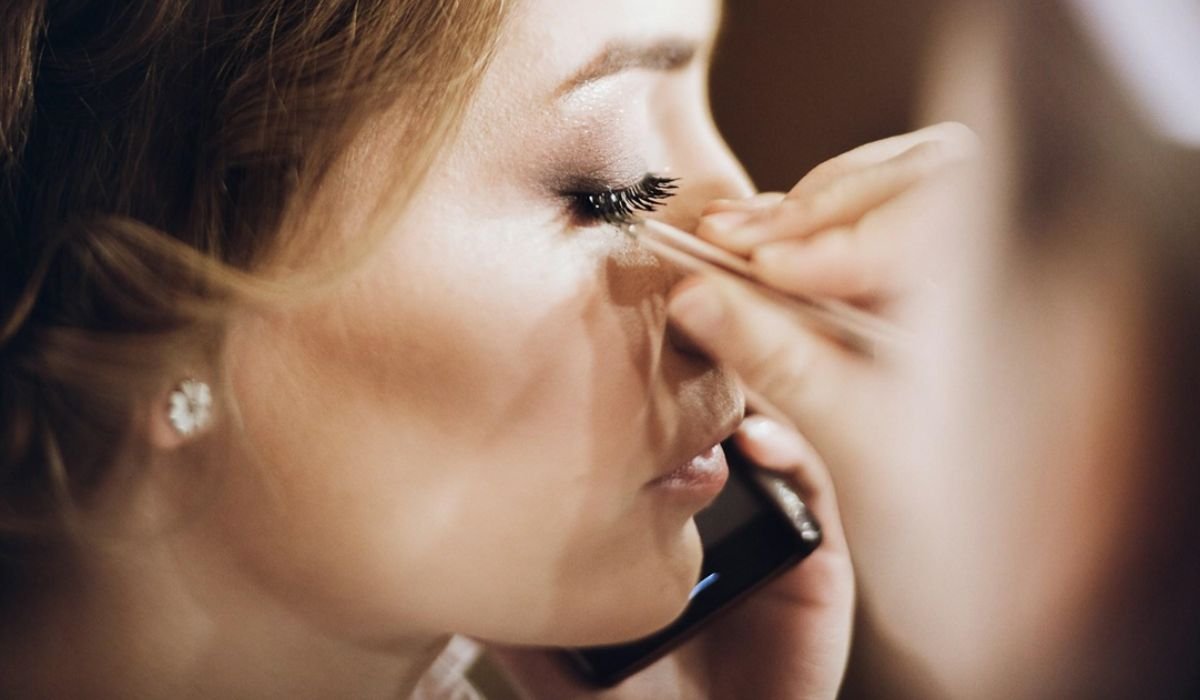
Lash adhesives are complex formulations designed to bond quickly while remaining stable throughout wear. In practice, however, not all adhesives perform consistently across different working environments or client profiles. Factors such as curing speed, fume release, and flexibility once set all influence how an adhesive feels on the eye.
Professionals in 2026 are paying closer attention to these characteristics. Rather than choosing the fastest-drying option available, many are selecting adhesives that balance control and comfort. A slightly slower cure time can reduce exposure to fumes and allow for more precise placement, lowering the likelihood of adhesive migration toward the eye.
This approach aligns with broader cosmetic safety guidance. The U.S. Food and Drug Administration consistently emphasises that products used near the eyes must be handled with particular care due to the sensitivity of the area. While professional lash adhesives operate within a specialised category, the underlying principle remains the same: predictability and controlled use matter more than extremes in performance.
The Role of Proper Lash Removers
Removers are often overlooked in conversations about irritation, yet they play an equally important role in protecting client eyes. A remover that spreads too quickly or breaks down adhesive too aggressively can easily come into contact with the eye if not carefully managed.
Modern professional practice treats removal as a precision service rather than a rushed add-on. Cream-based and gel-based removers are often favoured because they offer better control, staying where they are applied and reducing the risk of product migration. The emphasis is on steady, deliberate removal that prioritises comfort, even if it takes a few extra minutes.
This shift has also changed how clients perceive removal appointments. Instead of viewing them as inherently uncomfortable, many now expect the same level of care and professionalism as a full set or refill.
Matching Products to Client Sensitivities
One of the clearest trends in lash services is the growing recognition that no single product suits every client. Sensitivity can vary based on skin type, allergies, contact lens use, and even seasonal factors. Lash artists are responding by keeping a small but versatile range of adhesives and removers rather than relying on a single “universal” option.
Consultations have become more detailed, with professionals asking targeted questions about past reactions, lifestyle habits, and comfort thresholds. This information helps guide product selection and sets realistic expectations for wear and maintenance.
Over time, this personalised approach not only reduces irritation but also builds trust. Clients who feel listened to and protected are far more likely to remain loyal and recommend a technician’s services.
Environmental Control as Part of Eye Protection
Product choice alone cannot prevent irritation if environmental conditions are ignored. Adhesives behave differently depending on humidity and temperature, and mismatches between product specifications and studio conditions can lead to increased fumes or improper curing.
In 2026, many lash professionals are investing in simple environmental monitoring tools to maintain stable working conditions. By pairing the right adhesive with the right environment, technicians reduce stress on both their products and their clients’ eyes.
This holistic view treats irritation prevention as a system rather than a single decision. Adhesives, removers, tools, and environment all work together to determine the final client experience.
Professional Responsibility and Client Education
Another key development is how professionals communicate about eye safety. Rather than minimising the risks associated with lash services, many technicians now explain them clearly and calmly during consultations. This transparency helps clients understand why certain products are chosen and why specific aftercare steps are important.
Educated clients are more likely to follow aftercare instructions, report early signs of irritation, and return for timely maintenance. This proactive communication reduces long-term issues and reinforces the technician’s role as a knowledgeable professional rather than just a service provider.
Building a Safer Lash Practice for the Future
Preventing irritation is no longer about avoiding complaints; it is about aligning with higher professional standards. As the lash industry continues to evolve, the technicians who prioritise eye safety through thoughtful product selection, controlled techniques, and clear communication are setting themselves apart.
Choosing adhesives and removers carefully, understanding how they behave, and matching them to both the client and the environment creates a service experience that feels considered and trustworthy. In a competitive industry, that level of care is not just good practice, it is a defining feature of long-term success.
By treating eye protection as a core part of lash artistry, professionals position themselves to meet rising expectations while delivering results that are both beautiful and comfortable.
