
The non-profit and philanthropic sector operates under a universal, exhausting reality: there is always too much work and never enough funding. Whether you are running a local animal rescue, managing a global clean water initiative, or directing a community arts program, the burden of communication is immense. Executive directors and overworked volunteers spend countless hours writing grant proposals, donor appeal letters, impact reports, and social media updates.
When generative artificial intelligence became widely accessible, it felt like a miraculous solution for the third sector. Finally, a resource-starved charity could draft a ten-page grant application or a monthly newsletter in mere seconds. However, as the initial excitement faded, a chilling realization swept through the philanthropic community. The AI-generated appeals were falling flat. They were structurally perfect and grammatically flawless, but they lacked the one critical element that drives charitable giving: genuine human emotion. To bridge this critical gap, forward-thinking organizations are now moving beyond raw algorithmic generation. By strategically adopting advanced AI humanizer technology, lean charitable organizations are discovering how to scale their outreach without sacrificing the deeply personal touch that drives real-world impact.
The Psychology of the Donor Connection
To understand why raw AI fails in the non-profit sector, we must look at the psychology of philanthropy. People do not donate to causes based purely on logic or statistical data. If logic were the only driver, every well-researched spreadsheet would generate millions in funding. Instead, people donate because a story resonates with their own values, breaks their heart, or inspires them to make a tangible difference. Philanthropy is, at its core, a transfer of emotion.
Large language models are inherently incapable of feeling emotion. They operate by predicting the most statistically probable sequence of words based on their training data. When an AI writes a donor appeal letter, it uses safe, generic, and highly predictable language. It relies on cliché phrases like “In today’s ever-changing world,” or “It is crucial to note that our mission…” This creates a psychological barrier. When a prospective donor reads a letter that feels like it was generated by a corporate algorithm, their empathy shuts down. The communication feels transactional rather than deeply personal, and a transactional mindset rarely leads to generous, recurring donations.
The Grant Reviewer’s Radar
The problem extends far beyond individual donor letters; it is fundamentally altering the landscape of grant writing. Foundations and philanthropic boards review thousands of applications every funding cycle. These reviewers are highly trained to look for passion, deep community integration, and a unique understanding of the problem at hand.
Recently, grant reviewers have begun expressing deep frustration with the influx of “bland, homogenous” applications. When an overworked non-profit director uses raw ChatGPT to write an executive summary, it reads exactly like the hundreds of other AI-generated applications sitting on the reviewer’s desk. It signals a lack of effort and a lack of genuine connection to the cause. In a highly competitive funding environment, sounding like a robot is the fastest way to get your application moved to the rejection pile. The narrative must carry the unique voice of the community it serves.
Bridging the Resource Gap with Smart Tools
This leaves non-profit leaders in a bind. They cannot afford to stop using AI—the efficiency gains are simply too critical for organizations that cannot afford to hire full-time copywriters. Yet, they cannot afford the reputational damage and lost funding that comes from publishing soulless, synthetic text. Furthermore, they certainly do not have the budget to pay premium rates for human editors to rewrite all their AI drafts manually.
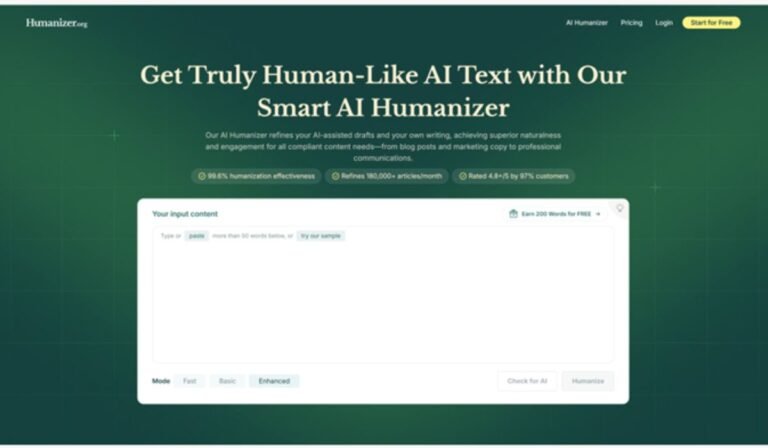
For organizations operating on a shoestring budget, finding the best free AI humanizer tool is no longer a luxury—it is a strategic imperative to ensure their mission gets the attention it deserves. These specialized platforms act as a critical intermediary step. They allow a non-profit to use a standard AI to do the heavy lifting of organizing data, structuring the grant, and outlining the key deliverables, but then they fundamentally transform how that information is delivered to the reader.
How Text Humanization Restores the “Why”
The process of humanizing text goes far beyond simply swapping out a few adjectives. It is about fundamentally altering the rhythm and flow of the narrative to mimic human thought patterns. Linguists refer to this as “burstiness” (the variation in sentence length) and “perplexity” (the unpredictability of vocabulary).
When you process a rigid, robotic draft through a dedicated humanization algorithm, the software intentionally breaks up the monotonous, uniform sentences. It might follow a long, detailed explanation of a community project with a short, powerful, emotionally resonant statement. It strips away the sterile, academic jargon that AI models favor and replaces it with the passionate, urgent, and conversational tone of a dedicated founder speaking directly to a supporter. It restores the “Why” behind the organization’s work. The resulting text flows naturally, making the reader feel as though they are being personally invited to join a crucial movement, rather than simply being processed by a marketing machine.
Empowering the Modern Volunteer
The implementation of this workflow is radically transforming how non-profits manage their volunteer base. Historically, writing tasks could only be delegated to volunteers with significant copywriting experience. Now, a volunteer with basic operational skills can use standard AI to draft a series of social media posts or email updates based on a few bullet points provided by the director.
By adding a humanization step to their standard operating procedures, the organization guarantees quality control. The volunteer simply takes the raw AI draft, runs it through the humanizing processor, and produces a final piece of content that aligns perfectly with the warm, authentic voice of the charity. This empowers lean teams to produce a massive volume of high-quality, emotionally engaging content that punches far above their actual weight class.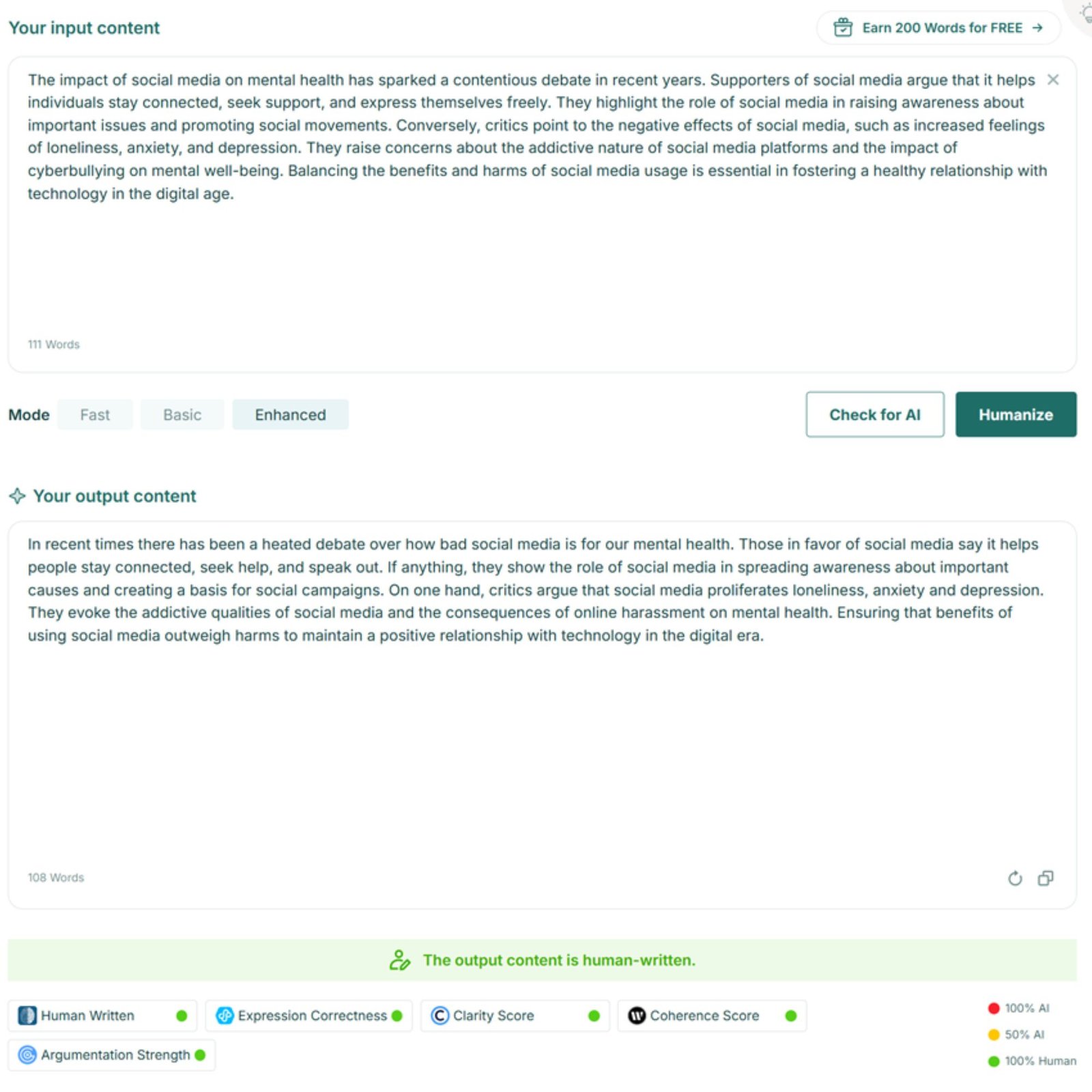
Amplifying the Heartbeat of the Organization
As we move further into the digital age, the non-profit sector will inevitably become more reliant on artificial intelligence to manage operations, analyze donor data, and draft communications. However, the organizations that will thrive and secure long-term funding are those that recognize the irreplaceable value of authentic human connection.
Technology should be used to amplify the heartbeat of your mission, not to silence it. You must protect the emotional core of your storytelling at all costs. By processing initial drafts through dedicated platforms like humanizer.org, non-profit leaders can ensure that every appeal, every grant proposal, and every update resonates with the unmistakable passion of real people striving to make the world a better place. In the business of changing lives, authenticity is the one currency you cannot afford to counterfeit.
