
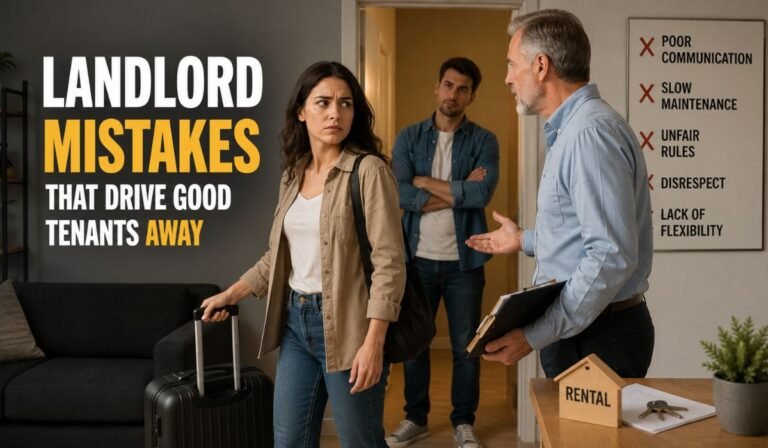
Finding reliable tenants is one of the biggest priorities for any landlord, but keeping them can be just as important. Long-term tenants who pay rent on time, look after the property and communicate openly help reduce void periods, minimise letting costs and create a more stable rental income.
Unfortunately, even the best tenants may decide to move on if they feel their concerns aren’t being addressed or their tenancy experience falls short of expectations. In many cases, tenants don’t leave because of a single major issue—they leave because of a series of avoidable frustrations.
By recognising the common mistakes that drive good tenants away, landlords can improve tenant satisfaction, encourage longer tenancies and protect the long-term value of their investment.
1. Delaying Repairs and Maintenance
One of the quickest ways to lose a good tenant is by failing to deal with maintenance issues promptly.
While not every repair can be completed immediately, tenants appreciate knowing that their concerns have been acknowledged and that action is being taken. Delayed responses to leaking taps, faulty heating or electrical issues can leave tenants feeling ignored and undervalued.
Being proactive with property maintenance not only helps create a better living environment but can also prevent minor problems from becoming more expensive repairs in the future.
Keeping tenants informed about repair timescales and providing regular updates demonstrates professionalism and builds trust throughout the tenancy.
2. Poor Communication
Clear communication is the foundation of a positive landlord–tenant relationship.
Tenants expect timely responses to emails, phone calls and maintenance requests. Failing to reply, providing unclear information or only contacting tenants when there’s a problem can create unnecessary tension.
Simple actions such as confirming appointments, explaining delays or checking that repairs have been completed successfully help reassure tenants that their concerns matter.
Good communication encourages cooperation and reduces the likelihood of misunderstandings developing into formal disputes.
3. Failing to Set Clear Expectations
Confusion often begins when landlords and tenants have different expectations about how the tenancy will operate.
Before a tenancy starts, landlords should clearly explain:
- Rent payment arrangements
- Repair reporting procedures
- Property inspections
- Responsibilities for maintenance
- Emergency contact details
- Any property-specific rules
Providing this information from the outset helps both parties understand their responsibilities and creates a smoother tenancy experience.
4. Ignoring Tenant Feedback
Good tenants often provide valuable feedback that can help improve a property.
Whether it’s suggesting small maintenance improvements or highlighting recurring issues, listening to tenants demonstrates respect and helps landlords identify opportunities to improve their rental property.
Not every suggestion needs to be implemented, but acknowledging feedback and explaining decisions openly helps maintain positive relationships.
Tenants who feel listened to are generally more satisfied and more likely to renew their tenancy.
5. Treating Every Tenant the Same
Every tenancy is different.
Some tenants prefer communication by email, while others appreciate a quick phone call. Families, students and professionals may also have different priorities depending on their circumstances.
Taking the time to understand tenant preferences can improve communication and create a more personalised renting experience.
Flexibility, where appropriate, often leads to stronger relationships and increased tenant loyalty.
6. Carrying Out Poorly Managed Property Inspections
Routine inspections are an important part of responsible property management, but they should always be handled professionally.
Providing appropriate notice, explaining the purpose of the visit and respecting tenants’ privacy helps inspections feel collaborative rather than intrusive.
Sharing any findings after the inspection and discussing any maintenance requirements openly also demonstrates transparency.
A respectful approach helps tenants feel valued rather than monitored.
7. Neglecting the Overall Tenant Experience
Many landlords focus solely on collecting rent and maintaining the property, but the overall tenant experience is equally important.
Small gestures can have a significant impact, such as:
- Providing a clean, well-presented property at move-in.
- Supplying useful property information.
- Responding courteously to enquiries.
- Keeping tenants informed about maintenance progress.
- Ensuring contractors arrive when expected.
These simple actions help create a positive impression and encourage tenants to stay for longer.
8. Not Keeping Up with Changing Expectations
The private rented sector continues to evolve, and tenant expectations are changing alongside it.
Today’s renters increasingly value transparency, responsive communication and a professional approach to property management. Landlords who understand these changing expectations are often better placed to build long-term tenant relationships and reduce avoidable disputes.
If you’d like to explore this in greater detail, read the expert guide on How Tenant Expectations Are Evolving After the Renters’ Rights Act. It explains how the rental landscape is changing and offers practical insights to help landlords meet modern tenant expectations while creating a more positive tenancy experience.
9. Overlooking Preventative Maintenance
Waiting until something breaks before taking action can increase costs and frustrate tenants.
Regular inspections, servicing heating systems, checking roofs and gutters, testing smoke alarms and addressing minor issues early all contribute to a safer and more comfortable property.
Preventative maintenance demonstrates that landlords are committed to maintaining high standards, which tenants often appreciate.
It also helps reduce unexpected repair costs over the long term.
10. Managing Everything Without Professional Support
Managing a rental property involves far more than collecting rent.
Landlords must balance communication, maintenance, legal compliance, inspections, documentation and changing legislation. For many, particularly those with multiple properties, this can become increasingly demanding.
Working with an experienced letting agent can help ensure tenants receive prompt communication, maintenance is coordinated efficiently and any issues are resolved before they escalate.
Professional property management benefits both landlords and tenants by creating a more organised and consistent tenancy experience.
Expert Lettings Support for Landlords in Norwich
If you’re a landlord in Norwich and want to improve tenant retention while reducing the risk of disputes, expert local support can make all the difference.
The local estate & lettings agents in Norwich provide professional lettings and property management services tailored to the local rental market. From finding quality tenants and managing day-to-day communication to coordinating maintenance and supporting compliance, their experienced team helps landlords deliver a positive renting experience while protecting their investment.
Whether you’re letting your first property or expanding your portfolio, speaking to a local property expert can help you avoid common pitfalls and build stronger, longer-lasting tenant relationships.
Conclusion
Retaining good tenants isn’t simply about offering a well-maintained property—it’s about creating a positive and professional tenancy experience from start to finish.
By responding promptly, communicating clearly, maintaining the property, listening to feedback and adapting to changing tenant expectations, landlords can reduce tenant turnover, minimise void periods and encourage longer, more successful tenancies.
Small improvements in how a tenancy is managed today can lead to stronger relationships, greater tenant satisfaction and better long-term returns tomorrow.
