
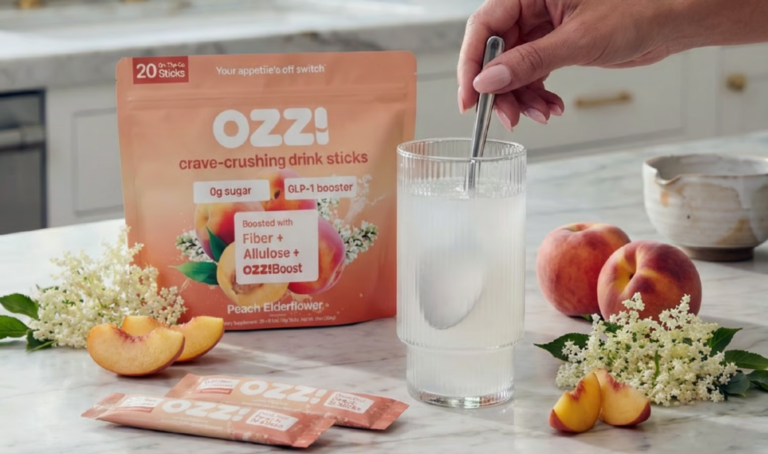
For professionals juggling demanding schedules, maintaining metabolic health often falls to the bottom of the priority list. Between back-to-back meetings and family obligations, the idea of carefully planned nutrition can feel like another impossible task. This reality has fueled interest in GLP-1 supplement drinks—beverages designed to support blood sugar regulation and satiety without requiring significant lifestyle overhauls.
These drinks represent a shift in how people approach daily wellness. Rather than viewing health management as an all-or-nothing proposition, they offer a practical middle ground for those who need solutions that actually fit into fragmented days. Understanding what these supplements do—and what they don’t—matters for anyone considering them as part of a broader health strategy.
The Science Behind GLP-1 and Metabolic Health
Glucagon-like peptide-1 is an incretin hormone produced in the intestines that plays a central role in glucose homeostasis. When you eat, GLP-1 signals the pancreas to release insulin while simultaneously suppressing glucagon secretion, effectively lowering blood sugar levels. It also slows gastric emptying, which extends the feeling of fullness after meals.
The hormone’s influence on appetite regulation has made it a focal point in weight management research. By acting on receptors in the brain’s appetite centers, GLP-1 reduces hunger signals and can lead to decreased caloric intake.
Beyond weight management, GLP-1 influences several interconnected systems:
- Enhances insulin sensitivity in peripheral tissues, improving how cells respond to glucose
- Reduces inflammatory markers associated with cardiovascular risk
- Supports pancreatic beta-cell function, which is critical for long-term metabolic health
- Modulates lipid metabolism, potentially improving cholesterol profiles
GLP-1-based therapies show promise for cardiovascular outcomes, though most research has focused on prescription medications rather than over-the-counter supplements. This distinction matters when evaluating supplement drinks, which typically contain compounds intended to support natural GLP-1 production rather than directly mimicking the hormone.
How Supplement Drinks Differ from Pharmaceutical Options
GLP-1 supplement drinks operate through a fundamentally different mechanism than prescription GLP-1 receptor agonists like semaglutide or liraglutide. While pharmaceutical versions directly activate GLP-1 receptors with synthetic compounds, supplement drinks typically contain ingredients meant to stimulate the body’s own GLP-1 production or support related metabolic pathways.
Common ingredients in these formulations include:
- Fiber compounds: Soluble fibers that slow digestion and may trigger natural GLP-1 release
- Protein blends: Amino acids that influence satiety hormones and glucose metabolism
- Botanical extracts: Plant compounds studied for their effects on insulin sensitivity
- Minerals and vitamins: Micronutrients that support metabolic enzyme function
The practical implications of this difference are significant. Supplement drinks don’t require prescriptions or medical supervision, making them accessible for general wellness rather than disease treatment. They also avoid the injection requirement that makes pharmaceutical GLP-1 therapies impractical for many people. However, their effects are generally more modest and work best as part of comprehensive lifestyle approaches rather than standalone interventions.
Practical Integration into Daily Routines
The value of any supplement ultimately depends on consistent use, which requires fitting seamlessly into existing habits. GLP-1 drinks offer several natural integration points throughout the day, each with distinct advantages depending on individual schedules and goals.
- Morning consumption can help establish stable blood sugar from the start, potentially reducing mid-morning energy crashes. For those who skip breakfast or rely on coffee alone, a GLP-1 drink provides substantive nutrition without requiring meal preparation time.
- Pre-meal timing leverages the satiety effects most directly. Consuming a drink 15-30 minutes before lunch or dinner allows the fiber and protein to begin working before food arrives, which may naturally reduce portion sizes without conscious restriction.
- Afternoon use addresses the common 3 PM slump when energy dips and sugar cravings intensify. Rather than reaching for snacks that spike blood sugar, a GLP-1 drink can provide sustained energy while supporting metabolic stability through the remainder of the workday.
The packet format makes portability straightforward—keeping a few in a desk drawer, gym bag, or car ensures availability regardless of location. This removes the friction that often undermines supplement adherence when products require refrigeration or elaborate preparation.
Brands offering GLP-1 drinks in portable packet formats for flexible daily timing include Ozzi and Pendulum. Testing different consumption windows—morning for blood sugar stability, pre-meal for satiety, or afternoon for energy—helps identify which timing delivers the most noticeable benefit for your specific routine.
Managing Sugar Cravings Through Multiple Mechanisms
Sugar cravings rarely have a single cause, which is why addressing them effectively requires understanding the various physiological and behavioral factors at play. GLP-1 drinks can be one component of a broader strategy, but they work best when combined with other evidence-based approaches.
The hormonal aspect centers on blood sugar stability. When glucose levels spike and crash throughout the day, the body responds with urgent hunger signals—often specifically for quick-energy carbohydrates. By moderating these fluctuations, GLP-1-supporting supplements can reduce the frequency and intensity of cravings.
Protein and fiber content also matter independently of GLP-1 effects. Protein triggers satiety hormones beyond just GLP-1, while fiber physically slows digestion and provides sustained energy release.
Complementary strategies that enhance the effectiveness of GLP-1 drinks include:
- Adequate hydration: Thirst often masquerades as hunger, and proper fluid intake supports all metabolic processes
- Regular meal timing: Eating at consistent intervals prevents the extreme hunger that overrides satiety signals
- Sufficient sleep: Sleep deprivation disrupts ghrelin and leptin, the primary hunger-regulating hormones
- Stress management: Cortisol elevation drives cravings for high-calorie comfort foods
- Mindful eating practices: Paying attention to hunger and fullness cues rather than eating automatically
For those dealing with persistent sugar cravings, it’s worth noting that underlying issues like insulin resistance or micronutrient deficiencies may require professional evaluation. Supplements can support but not replace proper diagnosis and treatment of metabolic conditions.
Evaluating Quality and Choosing Appropriate Products
The supplement industry’s minimal regulation means product quality varies dramatically. When selecting a GLP-1 drink mix, several factors separate evidence-based formulations from marketing-driven products with little substantive value.
- Ingredient transparency should be non-negotiable. Quality manufacturers provide specific amounts of active ingredients rather than hiding behind proprietary blends. This allows consumers to compare formulations against research-supported dosages and identify potential allergens or interactions.
- Third-party testing verifies that products contain what labels claim and are free from contaminants. Certifications from organizations like NSF International or USP indicate a manufacturer has submitted to independent quality verification—a significant differentiator in an industry where label claims often don’t match actual contents.
- Realistic claims signal a company’s credibility. Products promising dramatic weight loss or blood sugar normalization without lifestyle changes should raise immediate skepticism. Legitimate supplements position themselves as supportive tools within comprehensive health strategies, not miracle solutions.
Flavor and mixability matter more than they might seem. A supplement that tastes unpleasant or clumps in liquid won’t be used consistently, regardless of its formulation quality. Reading reviews specifically about taste and texture provides practical insights that ingredient lists can’t convey.
Price per serving varies widely, but higher cost doesn’t automatically indicate better quality. Comparing the actual amounts of key ingredients—protein grams, fiber grams, and specific botanical extract dosages—reveals whether premium pricing reflects superior formulation or just marketing.
Comparing Delivery Methods: Drinks Versus Injections
The rise of prescription GLP-1 medications has created confusion about how supplement drinks relate to pharmaceutical options. While both involve GLP-1, the differences in mechanism, potency, and appropriate use cases are substantial.
Injectable GLP-1 receptor agonists deliver synthetic compounds that directly activate GLP-1 receptors with high potency. These medications produce measurable effects on weight loss and glycemic control in clinical trials, but they require prescriptions, medical monitoring, and come with potential side effects including nausea, vomiting, and gastrointestinal distress.
Supplement drinks work through gentler mechanisms—supporting natural GLP-1 production and related metabolic pathways rather than pharmacologically activating receptors. This means milder effects but also fewer side effects and no need for medical supervision. They’re appropriate for general wellness rather than disease treatment.
The injection requirement itself represents a significant practical barrier for many people. Beyond needle aversion, the logistics of proper storage, disposal of sharps, and maintaining injection schedules while traveling create friction that reduces adherence. Drinks eliminate these concerns entirely.
Cost considerations differ dramatically as well. Prescription GLP-1 medications can cost over $1,000 monthly without insurance coverage, while supplement drinks typically range from $2-5 per serving. This makes them accessible to a much broader population, though the more modest effects mean they serve different purposes.
For individuals with diagnosed metabolic conditions like type 2 diabetes or clinical obesity, prescription options may be medically appropriate and worth the higher cost and complexity. For those seeking general metabolic support and appetite regulation as part of wellness maintenance, supplement drinks offer a more proportionate intervention.
