
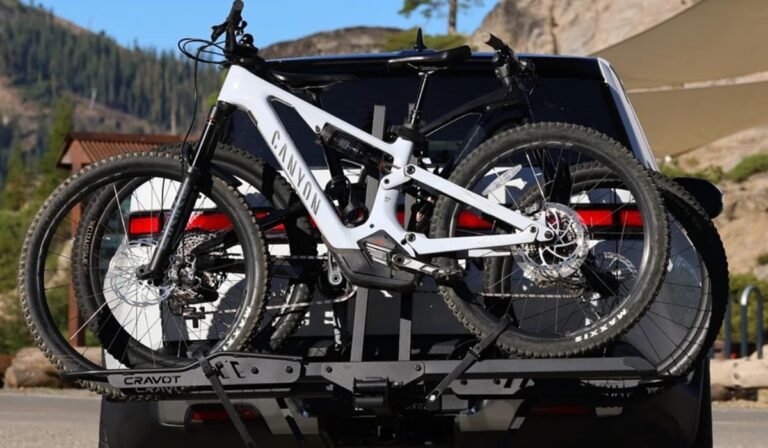
For many cyclists, riding is not limited to the streets around their home. The excitement comes from discovering new trails, visiting different parks, and taking bikes on adventures with friends or family. However, transporting a bicycle can become a challenge if you do not have the right equipment. I learned this after trying different ways to carry my bike. Sometimes I placed it inside my vehicle, but it reduced available space and created extra cleaning work. Other times, preparing for a trip took longer than the ride itself. Eventually, I realized that having a dependable hitch bike rack was one of the simplest ways to make cycling more convenient.
A well-designed hitch mount bike rack is not only about carrying a bike from one place to another. It helps riders save time, protect their equipment, and enjoy more freedom when planning their next adventure.
Start by Understanding Your Cycling Routine
Before choosing any bike rack, I think the first step is understanding your own riding habits. Many people buy equipment based on what looks good instead of what actually matches their needs. A cyclist who rides every weekend may require different features compared to someone who only transports a bike occasionally. Consider these questions before making a decision:
- How often do I travel with my bike?
- How many bikes do I usually carry?
- Do I own a mountain bike, road bike, or eBike?
- Do I take short trips or long-distance journeys?
- Will my cycling needs change in the future?
Knowing your routine helps you choose a rack that remains useful for years.
Why Hitch-Mounted Bike Racks Are Convenient
One of the biggest reasons riders choose a hitch bike rack is convenience. The rear position makes loading and unloading much easier compared with lifting bikes onto a vehicle roof. This is especially helpful when:
- Bikes are heavy
- Riders are traveling alone
- Multiple bikes need to be loaded
- Frequent trips are planned
Instead of struggling with overhead lifting, cyclists can secure their bikes at a comfortable height and start their journey with less effort.
Protecting Your Bike During Transportation
A bicycle is a valuable investment. Whether you own an expensive mountain bike or a daily commuter bicycle, protecting it during transportation should always be a priority. A reliable rack helps reduce common transportation concerns by keeping bikes stable and secure. Before every trip, I recommend checking:
- Bike placement
- Mounting points
- Locking systems
- Strap tension
- Clearance between bikes
These small checks take only a few minutes but can prevent damage during travel.
Choosing a Rack Based on Bike Type
Different bikes come with different requirements. A lightweight road bike does not have the same needs as a heavy electric bike or a full-suspension mountain bike. When selecting a rack, pay attention to:
Weight Capacity
The rack should comfortably support the combined weight of your bikes.
Tire Compatibility
Some bikes have wider tires that require additional clearance.
Frame Support
The holding system should protect the bike while keeping it stable.
Bike Size
Longer wheelbases and unique frame designs may require more flexible support options. Choosing according to your bike specifications helps create a safer transportation setup.
The Role of Durability in Long-Term Use
A bike rack is exposed to many outdoor conditions. Rain, dust, sunlight, and road vibrations can affect its performance over time. This is why durability matters. A quality hitch mount bike rack should be built to handle regular use while maintaining stability and reliability. Important durability features include:
- Strong construction materials
- Secure connection points
- Reliable moving components
- Weather-resistant design
For riders who travel frequently, these features can make a major difference.
Making Road Trips More Comfortable
One advantage I appreciate about using a hitch-mounted system is the extra room it creates inside the vehicle. When bikes are carried outside, the interior space can be used for:
- Travel bags
- Camping equipment
- Snacks and supplies
- Outdoor accessories
- Passenger comfort
This makes longer journeys easier because you do not have to choose between carrying bikes and carrying other essentials.
Avoiding Common Bike Rack Mistakes
Even a high-quality rack cannot perform properly if it is used incorrectly. Some mistakes riders should avoid include:
Ignoring Weight Limits
Carrying bikes that exceed the rack’s capacity can create safety issues.
Poor Installation
A rack should always be installed correctly according to instructions.
Forgetting Regular Inspections
Loose bolts, worn straps, or damaged parts should be addressed before traveling.
Leaving Accessories Attached
Loose bags, bottles, or electronic devices can become damaged during transportation. Being careful with these details improves both safety and convenience.
Why CRAVOT Is a Practical Choice for Riders
When choosing outdoor equipment, I prefer solutions that focus on real-world use rather than unnecessary features. CRAVOT designs bike transportation products with practical needs in mind. Strong construction, user-friendly designs, and dependable support systems make a hitch mount bike rack a reliable option for cyclists who want to transport their bikes with greater confidence. For riders who regularly explore new locations, having equipment they can rely on makes every journey easier.
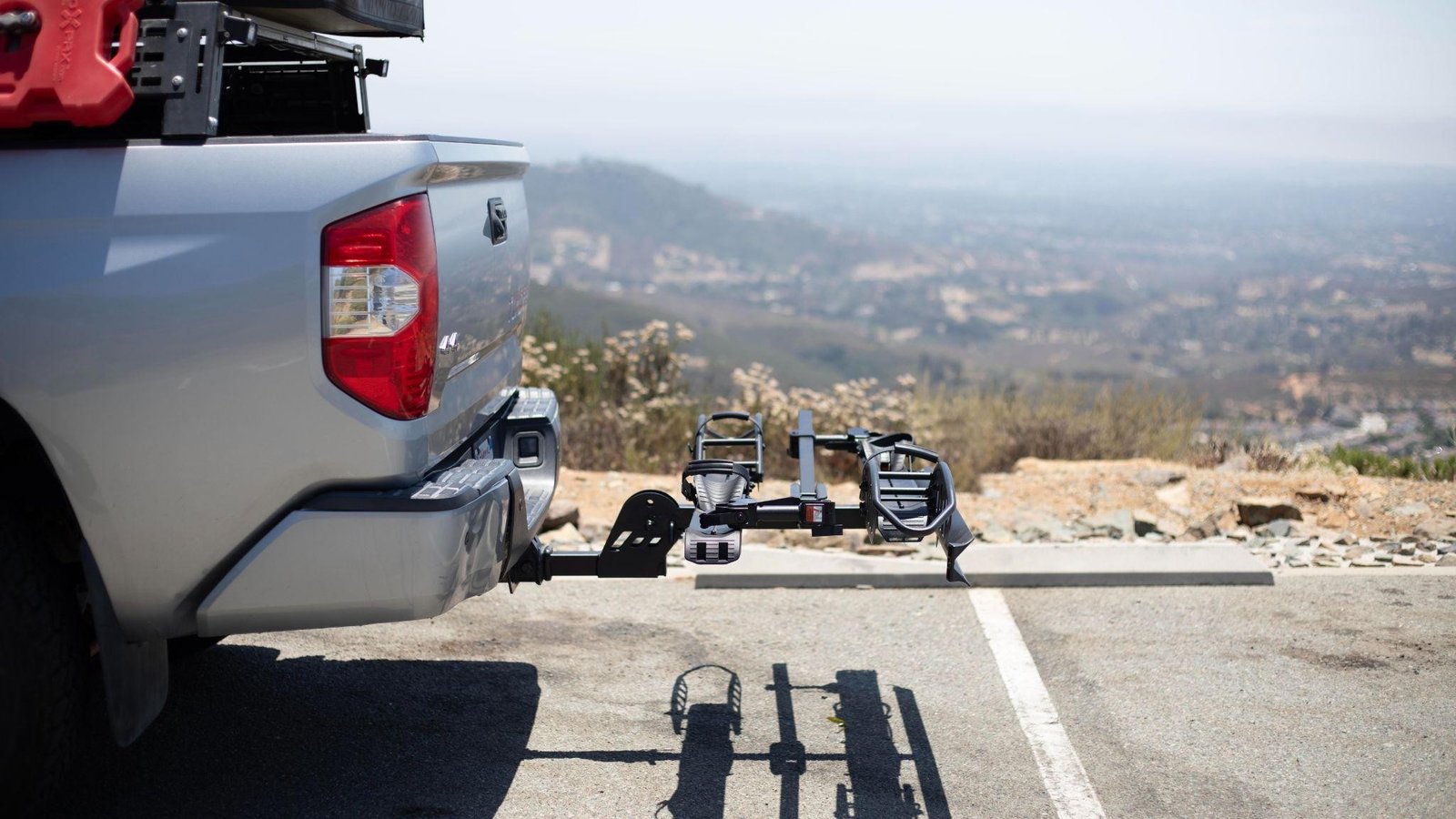
Maintaining Your Rack for Better Performance
A bike rack does not require complicated maintenance, but regular care helps it last longer. Some simple habits include:
- Cleaning dirt after outdoor trips
- Checking hardware before traveling
- Inspecting locking parts
- Keeping moving areas free from debris
- Storing the rack properly when unused
These small actions protect your investment and help ensure safe performance.
Making the Most of Your Cycling Adventures
A good transportation setup can change the way you approach cycling. When carrying your bike becomes simple, you become more willing to explore unfamiliar places. Instead of limiting yourself to nearby routes, you can discover new trails, travel with other riders, and enjoy more outdoor experiences. The right rack is not just an accessory it becomes part of your cycling lifestyle.
Conclusion
Choosing the right hitch bike rack requires more than looking at price or appearance. The best option should match your vehicle, bike type, and personal riding habits. A dependable hitch mount bike rack makes transportation easier, protects your bicycle, and gives you more freedom to explore different destinations. By focusing on important factors like weight capacity, durability, compatibility, and ease of use, you can choose a solution that supports your cycling adventures for years. For riders who want a simpler way to travel with their bikes, investing in the right rack can make every trip more enjoyable.
FAQs
What should I check before buying a hitch bike rack?
You should check your vehicle compatibility, bike weight, number of bikes you carry, and the type of cycling you usually do.
Is a hitch mount bike rack better for heavy bikes?
Many hitch-mounted racks are suitable for heavier bikes, including some eBike models, but always confirm the weight capacity before use.
Can I leave my hitch bike rack installed all the time?
Yes, many riders leave their racks installed, but removing and storing them when not needed can help protect the equipment.
How do I keep my bike secure on a hitch rack?
Use all available straps and locking features, ensure proper positioning, and inspect the setup before driving.
Are hitch bike racks suitable for long trips?
Yes, they are commonly used for long-distance travel when properly installed and used within recommended limits.
