
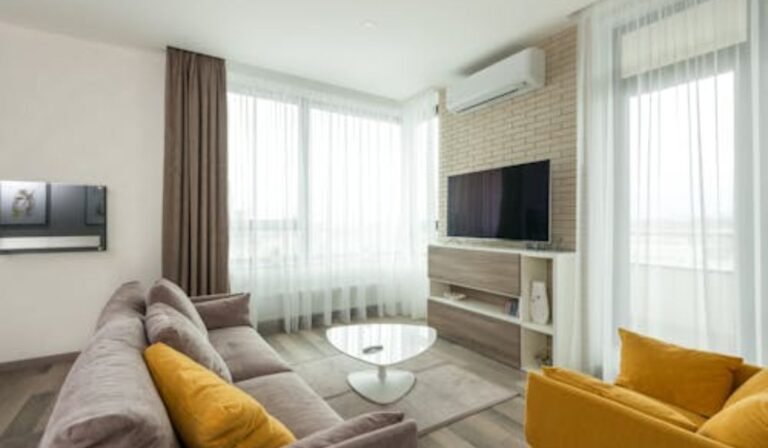
Cooling a multi-level home presents unique challenges that are not always easy to solve with traditional systems. Temperature differences between floors, uneven airflow, and varying usage patterns can all affect overall comfort. A system that works well on one level may not perform as effectively on another.
A 4 zone mini split system offers a more flexible approach by allowing each area of the home to be controlled independently. This makes it easier to manage temperature variations across multiple levels while improving energy efficiency.
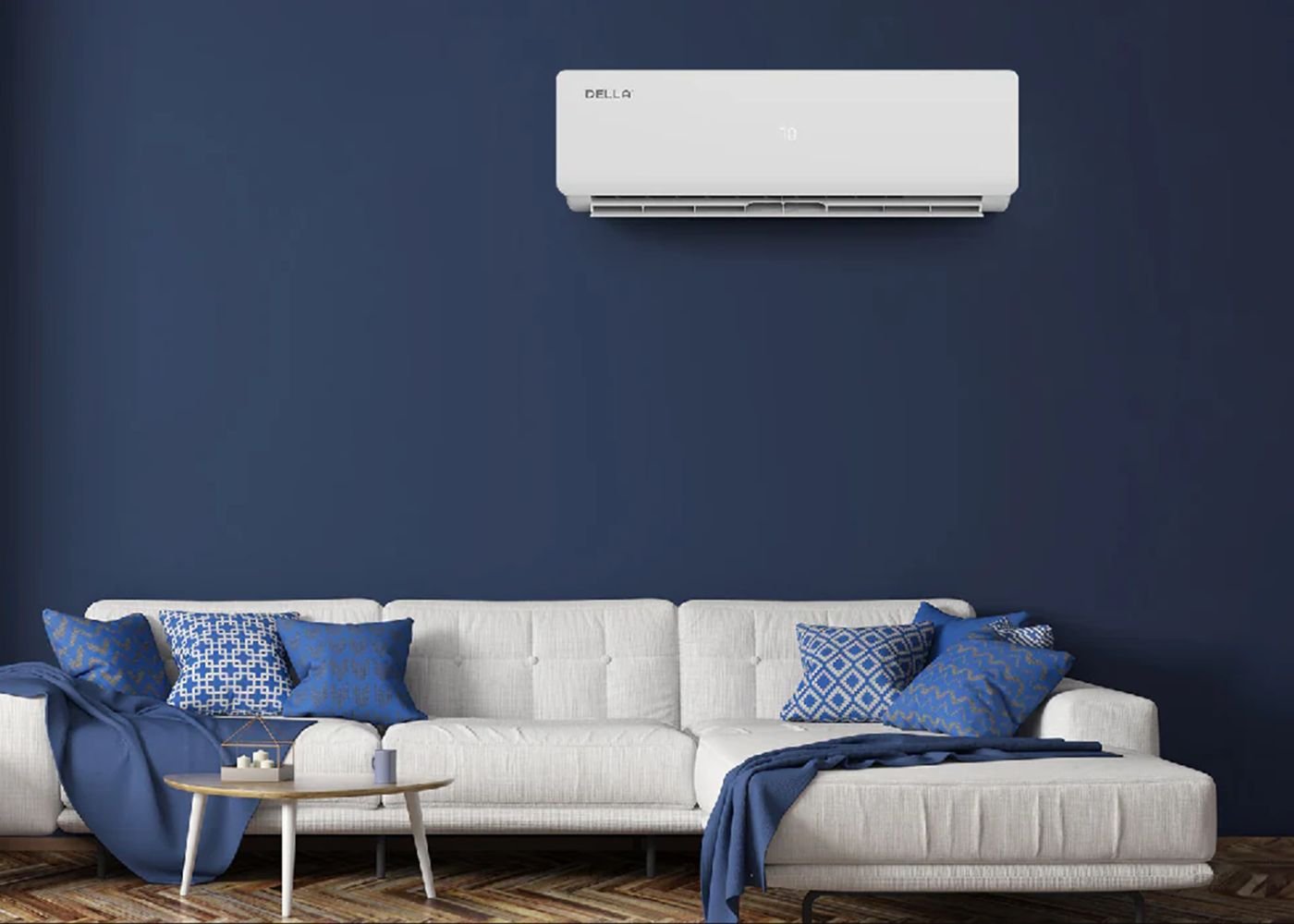
Cooling Challenges in Multi-Level Homes
Multi-level homes often experience natural temperature imbalances due to the way heat rises. Upper floors tend to retain more heat, especially during warmer months, while lower levels may remain cooler. This difference can make it difficult to maintain consistent comfort throughout the home.
In addition, airflow distribution can vary depending on the layout. Staircases, open spaces, and room positioning all influence how air moves between levels, which is why a mini split system can be especially effective in managing these variations. Without proper zoning, some areas may feel overcooled while others remain warm, leading to inefficient system performance.
How a 4 Zone Mini Split System Addresses Vertical Temperature Differences
A 4 zone mini split system addresses these challenges by dividing the home into separate cooling areas. Each zone is controlled independently, allowing different temperature settings based on the needs of each level or room. This reduces the need to overcompensate in one area just to cool another.
Because the system adjusts output based on demand, it can provide more cooling to upper floors while maintaining moderate conditions on lower levels. This targeted approach helps balance temperatures more effectively than systems that treat the entire home as a single space.
Designing Zones for Each Level and Living Area
Effective zoning begins with identifying how different parts of the home are used. In many multi-level homes, each floor can function as its own zone, with additional zones assigned to high-use areas such as living rooms or master bedrooms.
The goal is to group spaces with similar cooling needs rather than simply dividing the home by size. For example, a frequently used upper-level bedroom may require more consistent cooling than a rarely used guest room. Thoughtful zoning improves both comfort and efficiency.
Optimizing Airflow and Unit Placement Across Floors
Proper placement of indoor units is essential for maintaining balanced airflow. Units should be positioned where air can circulate freely without obstruction, allowing for even distribution throughout each zone. Poor placement can lead to uneven temperatures, even if the system is correctly sized.
In multi-level homes, it is also important to consider how air moves between floors. Strategic placement near staircases or open areas can help improve circulation, but it should be done carefully to avoid disrupting zone control. A well-planned layout ensures that each area maintains its intended temperature.
Key Considerations for Installation and Long-Term Performance
Installation planning plays a critical role in the long-term success of a 4 zone system. Factors such as piping routes, electrical connections, and drainage must be carefully coordinated across multiple levels. These elements can become more complex in multi-story homes, making professional planning essential.
Long-term performance also depends on regular maintenance and proper system use. Keeping filters clean and ensuring unobstructed airflow helps maintain efficiency over time. With the right setup and ongoing care, a 4 zone mini split system can provide consistent comfort across all levels while minimizing energy waste.
