
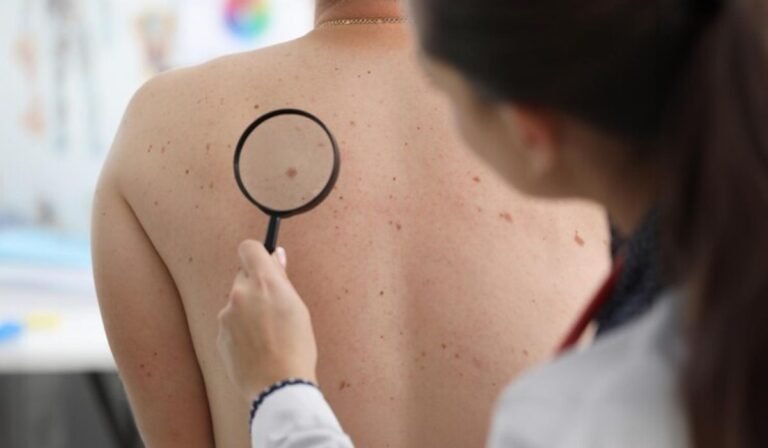
Our skin changes constantly, often developing small growths that cause us to look closer in the mirror. If you have noticed a new spot or a raised bump, you might wonder whether it requires professional attention. Consulting a reputable skin clinic in Hove represents the first step towards understanding these common cutaneous developments. Many people struggle to distinguish between various types of harmless growths, which can lead to unnecessary worry or, conversely, neglecting a spot that requires evaluation. This guide simplifies the identification process, helping you recognise different blemishes and understand when to seek expert assessment for peace of mind.
Understanding Skin Tags
Skin tags, known medically as acrochordons, are small, benign growths that project from the surrounding skin. They typically appear in areas where skin rubs against skin or clothing, such as the neck, armpits, groin, and under the breasts. These growths consist of loose collagen fibres and blood vessels wrapped in a thin layer of skin. While they are completely harmless, they can catch on jewellery or clothing, causing irritation and occasional bleeding.
Identifying a skin tag is relatively straightforward because of its unique structure. Unlike flat spots, a skin tag usually hangs from the skin surface by a tiny, narrow stalk called a peduncle. They are soft to the touch, can be flesh-coloured or slightly darker, and vary in size from a few millimetres to a centimetre. Understanding the difference between skin tag and mole characteristics is essential for proper self-monitoring. While tags are purely surface-level growths that do not become cancerous, they can sometimes mimic other dermatological issues. If you notice a growth that causes discomfort, visiting a professional skin clinic in Hove ensures an accurate diagnosis and safe removal options, preventing the risk of infection that comes with home remedies. Dermatologists use specialised tools to snip, freeze, or burn these lesions safely, ensuring minimal scarring and immediate relief.
Identifying Moles
Moles, or melanocytic naevi, occur when pigment-producing cells called melanocytes grow in clusters rather than spreading evenly throughout the skin. Most adults have between 10 and 40 moles, which can appear anywhere on the body. Unlike skin tags, moles are often flat or only slightly raised, and they lack the narrow stalk that characterises acrochordons. This structural distinction represents a key difference between skin tag and mole growths, helping you categorise what you see on your body.
Moles generally present as uniform brown, black, or pink spots with distinct, rounded borders. They can develop during childhood and adolescence, sometimes darkening or fading over time. It is vital to monitor these lesions using the ABCDE criteria: Asymmetry, Border irregularity, Colour variation, Diameter larger than six millimetres, and Evolving size or shape. Regular self-examinations allow you to spot changes early. While the vast majority of these spots remain entirely harmless throughout your life, any new, changing, or symptomatic lesion warrants a professional evaluation. Knowing how your skin normally looks makes it much easier to identify when a particular spot behaves differently from the rest of your moles. Some individuals naturally possess atypical moles, which are larger and have irregular borders, requiring closer observation by a qualified practitioner.
Key Differences and Diagnostic Tips
Distinguishing between various skin growths can sometimes feel challenging, especially when they appear in hard-to-reach areas. The primary difference between skin tag and mole structures lies in how they attach to your skin and their cellular makeup. Skin tags are superficial, dangling by a stalk, and feel soft and movable. Moles are deeper, firmer, and sit flush with or raised directly from the skin surface. Moles also contain pigment-producing cells, whereas skin tags are simply overgrown skin tissue.
When to Seek Professional Advice
If you find a spot that bleeds, itches, or changes shape, professional assessment is vital. Many people seek benign mole removal in Brighton to address lesions that rub against clothing or cause cosmetic self-consciousness. During a consultation, a specialist uses a dermatoscope to examine the pigment patterns of the blemish. This high-magnification tool allows the clinician to confirm whether a lesion is entirely benign or requires a biopsy. Attempting to self-diagnose or use over-the-counter freezing kits on a mole can be highly dangerous, as it may leave cancerous cells behind or cause severe scarring. Relying on professional expertise guarantees that any removal procedure is conducted under sterile conditions with appropriate follow-up care.
Safe Removal Options
Once a clinician evaluates your skin, they can recommend the most appropriate removal method. For skin tags, procedures are quick and virtually painless. Cryotherapy involves using liquid nitrogen to freeze the tissue, causing the tag to fall off naturally within a few days. Alternatively, a practitioner at a skin clinic in Hove might perform a simple excision using sterile surgical scissors or apply hyfrecation, which uses minor electrical currents to seal the blood vessels and remove the growth instantly.
For moles, the approach depends on the depth and nature of the lesion. Shave excision is highly effective for raised moles, where the doctor numbs the area and uses a small blade to shave the growth flat with the skin. If there is any concern about the cells, or if the mole is flat and deep, a full surgical excision with stitches may be necessary. Those seeking benign mole removal in Brighton can access these precise treatments, which minimise scarring and ensure the removed tissue is sent for histopathology analysis if required. Professional removal ensures clean margins and reduces the likelihood of the growth returning, while also preserving the aesthetic appearance of the surrounding skin.
Conclusion
Keeping your skin healthy requires regular observation and an understanding of the common growths that develop over time. Recognising whether you have a harmless skin tag or a mole is the first step in maintaining dermatological health. While self-monitoring is incredibly valuable, it should never replace the expertise of a qualified professional. Whether you choose to visit a specialist for a routine check or decide to pursue benign mole removal in Brighton for comfort or cosmetic reasons, professional guidance ensures safety and peace of mind. Taking care of your skin today prevents complications tomorrow, leaving you confident in your skin’s health and appearance.
