
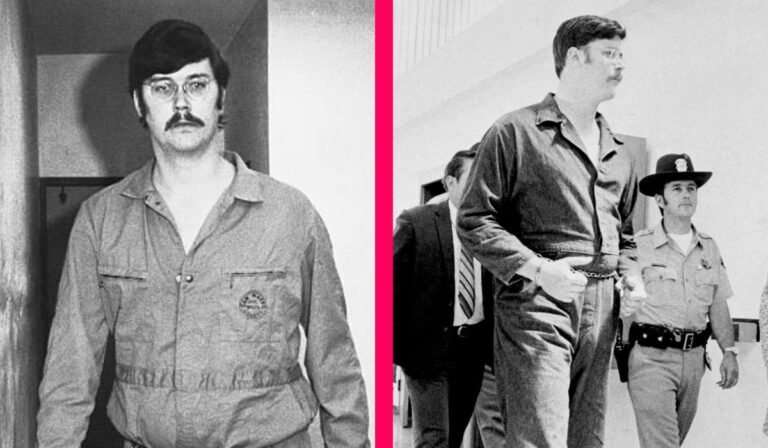
Ed Kemper remains one of the most infamous figures in American criminal history. Known as the “Co-Ed Killer,” he became notorious for a series of murders that shocked California during the late 1960s and early 1970s. Decades later, his case continues to attract attention from criminologists, psychologists, historians, and true-crime enthusiasts. Unlike many other serial killers, Ed Kemper openly discussed his crimes and participated in extensive interviews, providing rare insight into the mind of a violent offender.
What makes the story of Ed Kemper particularly fascinating is the combination of intelligence, self-awareness, and brutality that defined his life. Standing nearly seven feet tall and possessing a reportedly high IQ, he often appeared calm and articulate when discussing his actions. His case has been studied extensively because it offers valuable lessons about criminal psychology, behavioral warning signs, and the challenges of understanding violent behavior.
This article explores the life of Ed Kemper, from his troubled childhood and early crimes to the murders that earned him lasting infamy. By examining the facts carefully and objectively, readers can gain a deeper understanding of one of America’s most studied serial killers.
Table of Contents
ToggleQuick Bio Of Ed Kemper
| Information | Details |
|---|---|
| Full Name | Edmund Emil Kemper III |
| Common Name | Ed Kemper |
| Nickname | Co-Ed Killer |
| Date Of Birth | December 18, 1948 |
| Place Of Birth | Burbank, California, United States |
| Nationality | American |
| Height | 6 Feet 9 Inches (2.06 Meters) |
| Father | Edmund Kemper Jr. |
| Mother | Clarnell Strandberg |
| Occupation Before Arrest | Various Jobs |
| Known For | Serial Murders In California |
| Number Of Confirmed Victims | 10 |
| First Crimes | Murders Of His Grandparents |
| Age At First Murder | 15 Years Old |
| Arrest Year | 1973 |
| Conviction | Multiple Counts Of Murder |
| Sentence | Life Imprisonment |
| Famous Nickname | Co-Ed Killer |
| Current Status | Incarcerated |
| Historical Significance | Influenced Criminal Profiling Research |
Early Life And Family Background
Ed Kemper was born on December 18, 1948, in Burbank, California. His early years were marked by family conflict and instability. His parents experienced significant marital difficulties, eventually leading to divorce. Following the separation, Kemper lived primarily with his mother, Clarnell Strandberg, a relationship that would later become a major focus of psychological discussions surrounding his case.
Many accounts describe a difficult home environment. Kemper later claimed that he often felt criticized and humiliated by his mother. Whether every detail of his recollections was accurate remains a matter of debate among experts, but it is clear that family tensions played an important role in shaping his childhood experiences.
As a young boy, Kemper struggled to fit in socially. He was unusually large for his age, which often made him stand out among his peers. While physical size can sometimes provide confidence, it also contributed to feelings of isolation. By his teenage years, he was already displaying behavioral issues that worried both relatives and mental health professionals.
Understanding Ed Kemper’s early life is important because it provides context for the later events that would make him one of the most notorious serial killers in American history. However, experts emphasize that difficult childhood experiences alone do not explain violent criminal behavior. Many people face hardship without becoming violent offenders.
Childhood Warning Signs And Behavioral Problems
One reason Ed Kemper’s case continues to be studied is the number of warning signs that appeared during his youth. According to various reports, he displayed troubling behaviors long before committing serious crimes. Family members noticed disturbing patterns that suggested deeper emotional and psychological problems.
Kemper reportedly became fascinated by death and violence at an early age. He often engaged in unusual fantasies and exhibited behavior that alarmed those around him. Some of these actions later became important topics during psychiatric evaluations. Researchers studying criminal behavior frequently reference these incidents when discussing potential early indicators of severe psychological distress.
Another factor that drew attention was Kemper’s intelligence. He performed well on intelligence tests and demonstrated strong communication skills. This combination of intellectual ability and troubling behavior created a complex profile that challenged many assumptions about violent offenders.
As he entered adolescence, the concerns surrounding his behavior became increasingly serious. Family conflicts intensified, emotional struggles deepened, and the gap between his outward appearance and inner thoughts appeared to grow. These developments set the stage for the first major criminal acts of his life.
The Murders Of His Grandparents
At the age of fifteen, Ed Kemper committed the crimes that would permanently alter the course of his life. In 1964, he killed his paternal grandparents while they were living in rural California. The shocking nature of these murders drew immediate attention from law enforcement and mental health professionals.
Following his arrest, Kemper provided explanations for his actions that revealed deep emotional disturbances. Because of his age, authorities focused heavily on psychiatric evaluation rather than simply treating the case as an ordinary criminal matter. He was sent to a state psychiatric facility where experts spent years assessing his mental condition and behavior.
During his time in institutional care, Kemper underwent extensive testing and observation. Professionals noted both his intelligence and his willingness to discuss his thoughts openly. Some evaluators believed he had made significant progress, while others remained concerned about the potential risks he posed.
The murders of his grandparents represented a major turning point. They transformed him from a troubled teenager into a subject of intense psychological study. The decisions made during this period would later become controversial because of what happened after his eventual release.
Life After Release And Return To Society
After spending several years in psychiatric institutions, Ed Kemper was released in 1969. Many experts at the time believed he had responded positively to treatment and no longer posed a significant danger. Looking back, however, his release remains one of the most debated aspects of the case.
Upon leaving institutional care, Kemper attempted to build a new life. He moved back to California and sought employment. On the surface, he appeared to be functioning relatively well. He worked various jobs, interacted with people in his community, and avoided drawing attention to his criminal past.
One of the most unusual aspects of this period was his connection to local law enforcement circles. Kemper spent time socializing in places frequented by police officers. Because he was intelligent, personable, and often humorous, many people viewed him as an ordinary member of the community.
Despite these outward appearances, serious problems remained beneath the surface. Internal struggles that had never been fully resolved continued to affect his thinking. Over time, these issues intensified, eventually leading to a new series of crimes that would bring national attention.
How Ed Kemper Became The Co-Ed Killer
The nickname “Co-Ed Killer” emerged because many of Ed Kemper’s victims were young female college students. During the early 1970s, he began targeting women in California, often taking advantage of the popularity of hitchhiking during that era.
At the time, many students regularly accepted rides from strangers as a convenient way to travel. This social norm created opportunities that Kemper exploited. His friendly demeanor and calm personality often allowed him to gain trust quickly. People who encountered him frequently described him as intelligent and easy to talk to.
As the crimes continued, investigators struggled to identify the person responsible. There was little reason for witnesses to suspect a man who appeared cooperative, articulate, and socially capable. This contrast between his public image and criminal behavior contributed significantly to the complexity of the case.
The murders generated increasing concern throughout California. Communities became fearful as reports of missing young women spread. Law enforcement agencies worked to connect evidence and identify patterns, but progress was slow due to the challenges of investigating multiple crimes occurring across different locations.
The nickname “Co-Ed Killer” eventually became widely associated with Kemper’s case and remains one of the most recognized labels in true-crime history. However, the name captures only part of the story. The broader significance of the case lies in what it revealed about criminal behavior, investigative methods, and the limits of psychological prediction.
The Crimes That Shocked California
By the early 1970s, fear was growing throughout parts of California. The disappearance and murder of several young women created widespread anxiety among students, families, and local communities. News coverage intensified as investigators searched for answers and attempted to stop the violence.
What made the situation especially alarming was the apparent randomness of the attacks. The victims came from different backgrounds, and there were few obvious connections between them. This made it difficult for both the public and law enforcement to understand who might be responsible.
As investigators gathered evidence, they gradually recognized patterns linking the crimes together. The emerging profile suggested a highly organized offender capable of planning and carrying out attacks while avoiding immediate detection. Such characteristics would later become important in the development of criminal profiling techniques.
The case reached an even more shocking level when the full extent of Kemper’s crimes became known. Beyond the murders of college students, investigators discovered additional victims connected to his personal life. These revelations stunned the public and transformed the case into one of the most discussed criminal investigations of its era.
The impact of these crimes extended far beyond California. They influenced public attitudes toward personal safety, changed perceptions about hitchhiking, and contributed to ongoing discussions about violent crime in America. More than fifty years later, the story of Ed Kemper continues to be examined because of its lasting significance in criminal history.
Reply with “Part 2” to continue with the remaining sections, including Confession And Arrest, Psychological Profile, Criminal Profiling Influence, Trial And Prison Life, Popular Culture Impact, Conclusion, and Detailed FAQs.
Ed Kemper’s Confession And Arrest
One of the most unusual aspects of the Ed Kemper case is that it ended not with a dramatic manhunt but with a confession. In April 1973, after committing the murders that would ultimately lead to his downfall, Kemper left California and traveled to Colorado. While there, he contacted authorities and admitted responsibility for the crimes.
Initially, investigators were skeptical. At the time, they did not fully realize the extent of the evidence that would support his confession. Kemper called law enforcement multiple times before being taken seriously. Once authorities began verifying the information he provided, they discovered details that only the perpetrator could have known.
His willingness to confess surprised many observers. Unlike offenders who deny responsibility, Kemper openly discussed his actions and provided investigators with extensive information about the crimes. This level of cooperation would later make him an important subject for criminal psychology research.
The arrest brought an end to one of California’s most disturbing crime sprees. It also marked the beginning of a new chapter in which psychologists, criminologists, and law enforcement experts would spend decades studying his case.
The Psychological Profile Of Ed Kemper
The psychological profile of Ed Kemper remains one of the most analyzed topics in criminal history. Experts were fascinated by the contrast between his intelligence and his violent actions. He was often described as articulate, self-aware, and capable of discussing complex topics with remarkable clarity.
Many professionals who interviewed Kemper noted that he appeared unusually open when discussing his thoughts and motivations. This made him different from many offenders who refuse to cooperate or provide meaningful insights into their behavior. Researchers used these interviews to explore issues related to personality disorders, childhood trauma, emotional development, and violent fantasies.
Another factor that drew attention was his reported IQ, which was significantly above average. Kemper demonstrated strong reasoning abilities and often understood the questions investigators were attempting to answer. This intelligence allowed him to provide detailed explanations of his thinking, although experts caution that self-reported motivations should always be examined carefully.
Despite the extensive research, there is no simple explanation for why Kemper became a serial killer. His case illustrates how complex human behavior can be and why criminal psychology rarely offers easy answers. Instead, it highlights the interaction of multiple factors, including personality, environment, life experiences, and individual choices.
Ed Kemper And The Development Of Criminal Profiling
One reason Ed Kemper remains relevant in 2026 is his role in the development of criminal profiling. During the 1970s, investigators sought to better understand violent offenders by conducting interviews with convicted criminals. Kemper became one of the most important participants in this effort.
His detailed conversations with researchers provided valuable information about how certain offenders think, plan, and interact with victims. These interviews helped investigators identify behavioral patterns that could be useful in future cases. While criminal profiling is not an exact science, the information gathered from offenders like Kemper contributed to important advances in investigative techniques.
Many of the concepts used by behavioral analysis units today were influenced by research conducted during this period. Kemper’s willingness to speak openly allowed experts to compare real-world experiences with emerging theories about violent crime.
Although profiling alone does not solve crimes, it can help investigators narrow possibilities and better understand offender behavior. For that reason, Ed Kemper’s case continues to be discussed in law enforcement training programs and academic studies.
Trials, Sentencing, And Life In Prison
Following his confession and arrest, Ed Kemper faced multiple murder charges. The evidence against him was overwhelming, and there was little doubt regarding his responsibility for the crimes. The legal proceedings focused largely on determining the appropriate punishment.
In 1973, Kemper was convicted and received multiple life sentences. At the time, California’s legal system was undergoing significant changes regarding capital punishment, which affected sentencing outcomes in many major cases.
Since entering prison, Kemper has spent decades behind bars. Over the years, he participated in various institutional activities and reportedly recorded audiobooks for programs serving visually impaired individuals. These activities occasionally generated media attention, but they did not change the seriousness of his crimes or his status as a convicted murderer.
Kemper has appeared before parole boards multiple times. However, parole has consistently been denied due to the severity of his offenses and concerns regarding public safety. As of 2026, he remains incarcerated and is widely expected to spend the remainder of his life in prison.
Ed Kemper In Books, Documentaries, And Popular Culture
The story of Ed Kemper has had a lasting impact on popular culture. His case has been featured in countless books, documentaries, television programs, podcasts, and true-crime series. This ongoing attention reflects both the historical significance of the crimes and public fascination with criminal psychology.
One of the most influential portrayals appeared in the Netflix series Mindhunter. Actor Cameron Britton’s performance received widespread praise for capturing many aspects of Kemper’s personality as described in historical interviews. The series introduced a new generation of viewers to the case and renewed interest in criminal profiling.
Documentaries frequently focus on Kemper because of the extensive interview material available. Few serial killers have provided researchers with such detailed discussions about their thoughts and experiences. As a result, filmmakers often use his case to explore broader questions about violence, psychology, and law enforcement.
The continued popularity of true-crime media has ensured that Ed Kemper remains a well-known figure decades after his crimes occurred. However, responsible coverage increasingly emphasizes education and analysis rather than sensationalism.
Why Ed Kemper’s Case Still Fascinates People Today
Many criminal cases fade from public memory over time, but Ed Kemper’s story continues to attract attention. Several factors explain this enduring interest. First is the contrast between his outward appearance and his criminal behavior. People often struggle to reconcile the image of an intelligent, conversational individual with the reality of his actions.
Another reason is the extensive amount of information available about the case. Researchers, journalists, and documentary producers have access to interviews, court records, psychiatric evaluations, and investigative materials that provide an unusually detailed picture of the offender.
The case also intersects with broader discussions about psychology, family relationships, criminal justice, and public safety. Readers often seek to understand whether warning signs could have been recognized earlier and whether different interventions might have changed the outcome.
In many ways, the fascination with Ed Kemper reflects a larger human desire to understand extreme behavior. People are naturally curious about how someone can commit acts that seem impossible to comprehend. While no single explanation exists, studying cases like Kemper’s can help deepen our understanding of human behavior and the limits of prediction.
Lessons And Discussions Surrounding The Case
The story of Ed Kemper raises important questions that extend beyond criminal history. One lesson frequently discussed is the importance of recognizing and addressing serious behavioral problems during childhood and adolescence. While most troubled young people never become violent offenders, early intervention can play a critical role in supporting those who are struggling.
Another discussion centers on mental health evaluation and risk assessment. Kemper’s release from institutional care remains controversial because it highlights the difficulty of predicting future behavior. Even trained professionals can face enormous challenges when attempting to determine whether an individual poses a continuing threat.
The case also contributed to advancements in investigative methods. Law enforcement agencies learned valuable lessons about offender behavior, interviewing techniques, and criminal profiling. These developments have influenced countless investigations over the past several decades.
Perhaps most importantly, the case reminds us that human behavior is complex. Simple explanations rarely capture the full reality of why individuals commit serious crimes. Understanding that complexity is essential for researchers, policymakers, and anyone interested in preventing future violence.
Conclusion
Ed Kemper remains one of the most studied serial killers in American history. His story combines a troubled childhood, early violence, a series of notorious murders, and an unusual willingness to discuss his actions after arrest. These factors have made him a central figure in the fields of criminal psychology and behavioral analysis.
The lasting significance of the Ed Kemper case extends far beyond the crimes themselves. It has influenced criminal profiling, shaped academic research, and contributed to public discussions about mental health, risk assessment, and violent behavior. Decades after his arrest, experts continue to examine the lessons his case provides.
While the crimes associated with the Co-Ed Killer remain shocking, the broader value of studying this case lies in understanding how investigators, psychologists, and society respond to complex criminal behavior. As a result, Ed Kemper’s story continues to occupy a unique place in the history of crime and criminal justice.
FAQs About Ed Kemper
Who Is Ed Kemper?
Ed Kemper, whose full name is Edmund Emil Kemper III, is an American serial killer known for a series of murders committed in California during the late 1960s and early 1970s. He became known as the Co-Ed Killer because several of his victims were college students.
Why Was Ed Kemper Called The Co-Ed Killer?
The nickname came from the fact that many of his victims were young women attending college. The media and law enforcement began using the term during the investigation of the murders.
How Many Victims Did Ed Kemper Have?
Ed Kemper was convicted in connection with ten murders, including his grandparents and several victims killed during the crime spree that made him nationally known.
How Tall Was Ed Kemper?
Ed Kemper was exceptionally tall, standing approximately 6 feet 9 inches, or 2.06 meters. His height became one of the most frequently mentioned aspects of his public profile.
Did Ed Kemper Confess To His Crimes?
Yes. Kemper voluntarily contacted authorities and confessed. His detailed admissions played a major role in solving the case and later contributed to criminal psychology research.
Is Ed Kemper Still Alive?
As of 2026, Ed Kemper is still alive and remains incarcerated in California.
How Did Ed Kemper Influence Criminal Profiling?
His extensive interviews with investigators helped researchers better understand offender behavior. Information gathered from these conversations contributed to the development of modern criminal profiling techniques.
Was Mindhunter’s Portrayal Of Ed Kemper Accurate?
Many experts and viewers consider the portrayal in Mindhunter to be one of the more accurate depictions of Kemper. The performance was heavily influenced by real interviews and documented accounts of his behavior.
Recommended For You: Phil Hartman: The Remarkable Life And Career Of Comedy’s Most Versatile Star
