
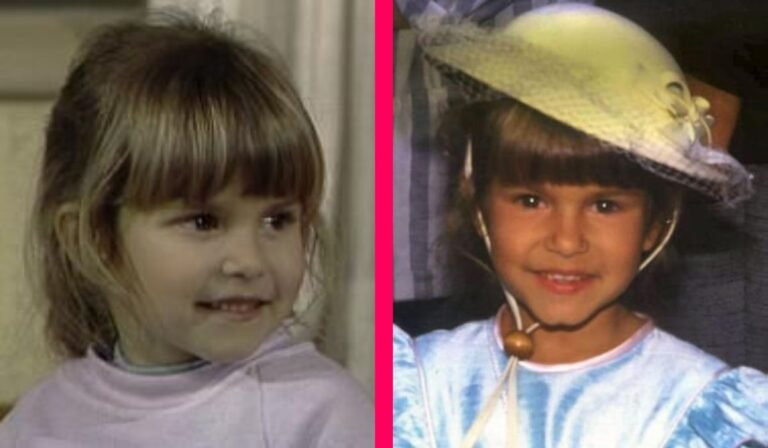
Judith Barsi is remembered today as one of Hollywood’s most talented and heartbreaking child stars. Born in Los Angeles, she rose quickly in the entertainment industry during the 1980s, appearing in commercials, television shows, and films at an age when most children were just starting school. Her voice acting work in animated classics made her especially beloved by audiences.
But behind the success and growing fame, Judith Barsi’s life was marked by fear and instability at home. Her story is not only about early Hollywood success but also about warning signs that were tragically missed. Today, she is remembered both for her talent and for the painful circumstances that ended her life far too soon.
This article explores Judith Barsi’s life, career, struggles, and legacy in a clear and respectful way, based on reliable historical sources.
Quick Bio Information Of Judith Barsi
Judith Eva Barsi was born on June 6, 1978 in Los Angeles, California. She worked as a child actress from 1984 until 1988, appearing in more than 70 commercials, multiple TV shows, and several films. She was known for her small stature, expressive voice, and natural acting ability.
She gained lasting fame as the voice of Ducky in The Land Before Time and Anne-Marie in All Dogs Go to Heaven, both released after her death. She died on July 25, 1988 at the age of 10 in Los Angeles.
Her parents were József Istvan Barsi and Maria Barsi. She is buried at Forest Lawn Memorial Park in Hollywood Hills. Judith’s estimated earnings at the height of her career reached around $100,000 per year, which was significant for a child actor in the 1980s.
Early Life In Los Angeles And Family Background
Judith Barsi was born into a Hungarian-American family in Los Angeles County. Her mother, Maria, quickly recognized her daughter’s outgoing personality and encouraged her to explore acting at a very young age. By the time Judith was around five years old, she was already attending auditions and appearing in commercials.
Her home life, however, was complicated. Her father, József Barsi, struggled with alcoholism and unstable behavior. While Judith’s career began to grow, tensions inside the household also increased. This contrast between a rising Hollywood career and a troubled home environment would later become a tragic part of her story.
Despite the difficulties, Judith’s early childhood showed clear signs of her natural talent. Casting agents often noticed her expressive face and ability to deliver lines with emotion far beyond her age.
How Judith Barsi Became A Child Star
Judith’s career began in advertising, where she quickly became successful. She appeared in dozens of commercials, reportedly over 70, which made her a familiar face in American households during the 1980s.
Her early success came from her ability to take direction easily and perform naturally on camera. This led to guest appearances on television shows, where she often played younger versions of characters due to her small size.
Her rapid rise in the entertainment industry placed her in an unusual position for a child. While she was earning professional income and working on set regularly, she was still very young and dependent on her family for guidance and protection.
Television Career And Growing Popularity
As Judith’s experience increased, she began appearing in well-known television series. She had roles in shows such as The Twilight Zone, Cheers, Knots Landing, Punky Brewster, and Growing Pains.
These appearances helped her gain recognition within Hollywood casting circles. Directors and producers often praised her professionalism, noting that she could handle emotional scenes with surprising maturity for her age.
Her television career showed that she was not just a commercial child actor but a rising talent capable of working in serious productions. This growing visibility also increased the pressure placed on her as her career became more demanding.
Film Roles And Hollywood Breakthrough
Judith Barsi’s transition into film came with roles in projects like Jaws: The Revenge. While the film itself received mixed reviews, it introduced her to a wider international audience.
Working in film sets exposed her to more complex acting environments. Even though she was still very young, she was already working alongside adult professionals in large-scale productions.
This period marked an important stage in her career, showing that she had the potential to grow beyond child roles if her career had continued.
Voice Acting Success In Animated Classics
Judith Barsi’s most enduring legacy comes from her voice acting work. She became the voice of Ducky in The Land Before Time, a character known for her cheerful personality and iconic line delivery. She also voiced Anne-Marie in All Dogs Go to Heaven, a role that highlighted her soft and emotional vocal performance.
Both films were released after her death, making her performances even more emotionally significant for audiences. Her voice work remains one of the most beloved parts of these animated films and continues to be appreciated by new generations.
These roles showed a different side of Judith’s talent. Even without appearing on screen, she was able to bring deep personality and warmth to animated characters, something that is not easy for many adult actors, let alone a child.
Life Behind The Scenes Of Fame
Although Judith Barsi’s career looked successful from the outside, her daily life was far more complicated. She was still a child, but she was working long hours in a demanding industry.
Her small physical size also influenced the roles she was given. Even as she grew older, she was often cast as younger children, which added to the unique challenges she faced in her career.
At the same time, the emotional pressure of balancing work, school, and family issues began to affect her well-being. Reports from the time suggest that she showed signs of stress-related behavior, reflecting the difficult environment she was living in.
Family Struggles And Growing Abuse Concerns
Judith’s home life became increasingly unstable over time. Her father’s behavior reportedly included alcohol abuse, threats, and violent outbursts. These problems created an unsafe environment for Judith and her mother.
Her mother did report concerns to authorities at one point, and there were signs that intervention was considered. However, the situation did not fully escalate into protective action that could have changed the outcome.
Judith herself reportedly expressed fear about going home and told people around her that she was worried about her safety. These warning signs later became a major focus in discussions about missed intervention opportunities.
Warning Signs That Were Reported Too Late
In the months before her death, Judith’s situation became more serious. Reports indicate that she showed emotional distress and fear, which were noticed by people close to her.
A child psychologist reportedly identified signs of abuse and raised concerns to authorities. However, the case did not move forward in a way that ensured long-term protection.
This failure to act effectively remains one of the most tragic aspects of Judith Barsi’s story. It highlights how vulnerable children in difficult family situations can sometimes fall through the cracks of the system.
The Tragic Death Of Judith Barsi
In July 1988, Judith Barsi’s life ended in a devastating tragedy. She, along with her mother Maria, was killed in their home in Los Angeles. Her father also died in what was ruled a murder–suicide.
According to official reports, her father shot both Judith and her mother before taking his own life. The incident shocked Hollywood and the public when it became widely known.
Judith was only 10 years old at the time of her death. The tragedy ended a promising career and left behind one of the most heartbreaking stories in entertainment history.
Aftermath And Public Reaction
When news of Judith Barsi’s death spread, it caused widespread shock. Hollywood colleagues, fans, and the general public were deeply saddened by the loss of such a young and talented actress.
Media coverage focused not only on the tragedy itself but also on the warning signs that were missed. The case became part of larger discussions about child safety and domestic violence awareness.
Her story continues to be referenced in discussions about how to better protect children in both entertainment and home environments.
Legacy Of Judith Barsi In Film And Animation
Despite her short life, Judith Barsi left behind a lasting legacy. Her voice performances in The Land Before Time and All Dogs Go to Heaven continue to be cherished by audiences around the world.
Her characters, especially Ducky, remain iconic in animated film history. Many viewers still recognize her voice decades later, proving the lasting emotional impact of her work.
Judith is also remembered as a symbol of both talent and tragedy, highlighting the importance of child protection in the entertainment industry.
Grave And Fan Tributes Over The Years
Judith Barsi was laid to rest at Forest Lawn Memorial Park in Hollywood Hills alongside her mother. Years later, fans contributed to a special gravestone that honors her memory.
The gravestone includes a reference to her famous line from The Land Before Time, which continues to connect fans emotionally to her work.
Over time, fans and film lovers have continued to leave tributes, showing that her memory has not faded despite the passage of decades.
Why Judith Barsi’s Story Still Matters Today
Judith Barsi’s story remains important even in 2026 because it highlights issues that are still relevant today. Child safety, domestic abuse awareness, and the responsibilities of intervention systems continue to be major topics in society.
Her life also serves as a reminder of the pressures faced by child actors in entertainment. While Hollywood has improved protections over time, Judith’s story is often referenced when discussing why those protections are necessary.
Her legacy is not only about her performances but also about awareness and change.
Final Thoughts: Remembering Judith Barsi
Judith Barsi’s life was brief, but her impact continues to be felt. She was a gifted child actress with a bright future, admired for her talent and natural presence on screen. Her performances remain part of classic animated films that continue to be loved worldwide.
At the same time, her story is a painful reminder of how important safety, awareness, and early intervention can be. Remembering Judith means honoring her talent while also learning from the circumstances that surrounded her life.
She remains one of Hollywood’s most heartbreaking child star stories, but also one of its most enduring voices.
FAQs About Judith Barsi
Who Was Judith Barsi?
Judith Barsi was a child actress from Los Angeles who became famous in the 1980s for commercials, TV roles, and voice acting in animated films.
What Was Judith Barsi Known For?
She was best known as the voice of Ducky in The Land Before Time and Anne-Marie in All Dogs Go to Heaven.
How Did Judith Barsi Become Famous?
She gained fame through commercials and television appearances before moving into film and voice acting.
What Happened To Judith Barsi?
She died in 1988 at the age of 10 in a tragic murder–suicide involving her father.
Why Is Judith Barsi Remembered Today?
She is remembered for her voice acting talent and as a symbol of the importance of child protection in entertainment.
Where Is Judith Barsi Buried?
She is buried at Forest Lawn Memorial Park in Hollywood Hills, Los Angeles.
What Were Judith Barsi’s Most Famous Roles?
Her most famous roles were Ducky in The Land Before Time and Anne-Marie in All Dogs Go to Heaven.
Recommended For You: Ed Kemper: The Life, Crimes, and Lasting Infamy of the Co-Ed Killer
