
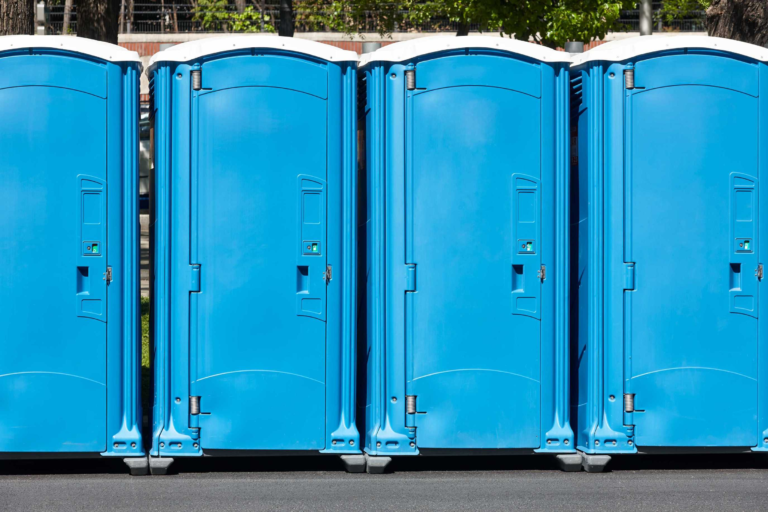
Roll up your sleeves, fire up the power tools, and load up the estate car with materials, tackling a home improvement project is a staple of British weekend life. Whether it is tearing down an old stud wall, tiling a new kitchen splashback, ripping out an outdated bathroom suite, or transforming a chaotic garden plot into a pristine summer patio, the satisfaction of creating something with your own hands is hard to beat.
However, the reality of managing a home build or quick structural refresh involves far more than just picking out the perfect paint colours or mastering a mitre saw. It requires careful logistics.
While property owners spend hours planning their budgets, ordering building materials, and arranging tool rentals, one critical human factor is almost universally overlooked until it is too late: sanitation from Blue Box Hire.
When you disrupt the core utilities of a residential home, everyday routines quickly break down. If you are preparing to undertake property renovations, here is a detailed look at why arranging dedicated, short-term portable toilet hire is not an unnecessary luxury, it is an absolute game-changer that will keep your project running smoothly, cleanly, and completely stress-free.
1. The Reality of the “One-Bathroom” Plumbing Shutdown
If your upcoming DIY project involves updating a bathroom, installing a downstairs cloakroom, or extending your kitchen utilities, a temporary water isolation or complete system shutdown is inevitable.
The Logistics Nightmare:
Many terraced, semi-detached, or urban residential properties across the UK feature only a single main family bathroom. When you isolate the water supply or disconnect the main soil pipe to install a new toilet bowl or reroute copper piping, that bathroom becomes completely unusable for hours, or sometimes days if you hit an unexpected plumbing snag.
Relying on the generosity of next-door neighbours, sprinting down to the local pub, or making desperate trips to a nearby supermarket or petrol station quickly loses its charm. It adds unnecessary time pressure to your build, forcing you to rush critical trade work just to get the indoor facilities back online.
By placing a compact, self-contained portable toilet out in your garden or on your driveway, you maintain constant, 24/7 sanitation facilities on-site, allowing you to take your time and complete your plumbing alterations properly without panic.
2. Protecting Your Carpets, Flooring, and Domestic Peace
Even if your project is focused purely on structural building work rather than plumbing, such as boarding out a loft, skimming plasterboard, or laying down new flooring, the sheer volume of foot traffic moving in and out of your house can be devastating to your home’s cleanliness.
The Mess Factor:
- The Mud and Debris:DIY projects are intrinsically messy. Your shoes will inevitably collect a layer of brick dust, fresh plaster mix, sawdust, or garden mud.
- The Constant Foot Traffic:If your only working toilet is situated upstairs or at the back of your home, every single bathroom trip requires walking through pristine living areas, leaving a trail of dirt and dust behind.
- The Cleanup Toll:Laying down protective plastic sheeting or temporary cardboard runners helps, but it rarely survives a full weekend of heavy, abrasive work boot traffic.
Introducing a standalone portable toilet to your work zone means that anyone working on the house can answer the call of nature without ever crossing your threshold. Your domestic living spaces stay completely clean, isolated, and free from building site debris.
3. Catering to Hired Trades and Professional Subcontractors
While the initials stand for “Do It Yourself,” the vast majority of substantial home improvements are actually hybrid projects. You might handle the demolition, painting, and basic carpentry yourself, but hire a professional plasterer, gas-safe engineer, or structural bricklayer to tackle the complex elements.
Under UK Workplace (Health, Safety and Welfare) Regulations 1992, there is a clear legal and moral expectation to provide clean, accessible sanitary facilities for people working on a domestic property.
Professional Etiquette:
While most local tradespeople are completely understanding of home environments, forcing a team of contractors to repeatedly walk through your family home to use your personal bathroom can feel awkward for both parties. It can also disrupt your family’s privacy, especially if you have children or work from home.
Providing an outdoor, professionally serviced portable unit demonstrates great site management. It allows your hired trades to work autonomously, stay focused on the task at hand, and take their comfort breaks without feeling like they are invading your private household space.
4. Total Placement Flexibility: Compact Design for UK Properties
A common misconception among homeowners is that portable toilets are massive, unwieldy structures designed exclusively for sprawling music festivals or commercial industrial estates.
In reality, modern domestic hire fleets feature highly optimised, compact units tailored specifically to fit the dimensions of standard British residential spaces.
Ideal Residential Placement Zones:
- Driveways (Direct vehicle access for delivery and collection)
- Front Gardens (Saves space while remaining highly accessible)
- Secure Side Alleys (Out of direct sight from the main street)
- Rear Gardens (If clear, wide side access is available)
As long as there is a flat, level surface and a clear, unobstructed path for delivery, a specialist supplier can position a unit neatly on a front driveway, a flat section of lawn, or a secure side alleyway. These units are completely self-contained, meaning they do not require a mains water connection, an external power supply, or complex drainage hookups to function perfectly.
5. Cost-Effective Convenience: Budgeting for Total Peace of Mind
When building material costs rise, it is natural to scrutinise every single line item on your renovation spreadsheet. However, looking at short-term sanitation hire as an unnecessary expense misses the massive return on investment it provides in terms of time, efficiency, and stress reduction.
Think of it this way: how much time is lost over a two-week project if you or your contractors have to drop your tools, clean your hands, take off your boots, and travel off-site just to find a public restroom? Over the course of a build, those lost hours add up to significant delays.
Furthermore, the cost of hiring a high-quality domestic portable toilet for a few weeks is exceptionally reasonable, easily fitting into the contingency budget of even a modest home extension or landscaping refresh.
Arranging Your Hire: Choosing a Reliable Partner
To make sure your temporary facilities genuinely make your project easier, it is essential to arrange your delivery through an established, professional supplier. A reliable provider ensures the unit arrives meticulously clean, fully stocked with essential chemical consumables, and equipped with a functional hand-washing or sanitising station.
If you are planning home improvements anywhere across London or the Home Counties, securing a dependable local specialist is key to smooth logistics. Coordinating your delivery with a professional provider via domestic portable toilet hire ensures your unit is delivered promptly, serviced precisely when required, and removed cleanly the moment your tools are packed away.
Domestic Sanitation Quick-Reference Checklist
To help you get your site set up seamlessly, follow this quick logistical checklist before your unit arrives:
| Action Item | Operational Detail | Reason for Step |
| Measure Access Paths | Ensure a minimum width of 1 metre for delivery trolley access | Avoids delivery damage or aborted drop-offs |
| Select Level Ground | Choose firm, level asphalt, paving, or hard-packed earth | Prevents the unit from shifting or tipping during use |
| Check Servicing Clearances | Position the unit within 10-15 metres of direct road access | Allows the service vehicle’s vacuum hose to reach easily |
| Plan the Timeline | Arrange delivery for the afternoon before your build begins | Ensures facilities are active from the very first whistle |
Conclusion: Set Your Project Up for Success
The difference between a deeply stressful, chaotic home renovation and a smooth, professional DIY triumph always comes down to preparation. It is about anticipating the human friction points of a build before the first hammer swings.
By separating your domestic living quarters from the inevitable mess, foot traffic, and utility disruptions of a construction zone, you preserve your peace of mind and protect your property assets. Short-term portable toilet hire is a simple, cost-effective, and highly practical solution that allows you to focus 100% of your creative energy exactly where it belongs: on bringing your home improvement vision to life.
FAQ: Common Residential Hire Questions
How does a portable toilet stay fresh during a multi-week DIY project?
Modern portable toilets use a specialised, highly effective blue additive in the waste tank that breaks down matter, controls odours, and keeps the system sanitary. If you are hiring a unit for an extended project lasting several weeks, you can schedule regular, routine servicing visits from your supplier. During these visits, the tank is vacuum-pumped clean, thoroughly washed, and refilled with fresh sanitising chemicals and toilet rolls.
Do I need a special local authority permit to place a portable toilet outside my home?
If the unit is placed entirely within the boundaries of your private property, such as your driveway, front garden, or private patio, you do not require any permits or permissions from your local council. However, if your property lacks private outdoor space and the unit must be placed on a public pavement or public highway, you will need to check with your local authority regarding specific street permits and safety markings before booking.
Can the unit withstand harsh British winter weather?
Yes, absolutely. High-quality domestic hire units are manufactured from heavy-duty, double-walled high-density polyethylene (HDPE). They are completely weatherproof, wind-resistant, and UV-stabilised, meaning they remain comfortable, secure, and fully functional whether your project takes place during a summer heatwave or a rainy winter build.
