
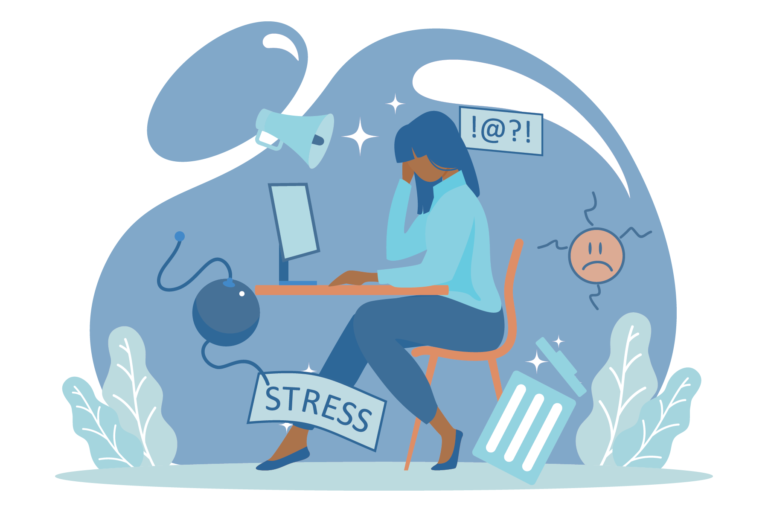
Mental health is integral to overall health and well-being. It has a direct impact on the workplace on performance and motivation. When employees come to work, they’re bringing their whole selves, their stress and emotions included. Productivity takes a hit when mental health is dismissed. Training on mental health awareness is essential for organizations to enable building healthier workspaces It works for people, but it also works for business objectives.
Understanding Mental Health Awareness Training
Mental health awareness training teaches employees and managers. It makes them aware of the most common mental health issues. The training concentrates on awareness, help , and communication here. It does not convert staff members into therapists. Instead, it constructs more understanding and empathy. It’s all about awareness and educating the masses on this first day.
The Connection Between Mental Health and Productivity
Mental health strongly affects productivity. Stress reduces focus and energy. Anxiety impacts decision-making. Depression lowers motivation and engagement. When silent strivers flounder, the quality of their work sinks. Mental health literacy training can aid in identifying signs of a problem early on. Early investment avoids long-term loss of productivity.
Reducing Workplace Stress
Workplace stress is common. Tension rises with deadlines, workload, and pressure. Mental health awareness, ‘Stress Management 101,’ is taught. Workers are taught how stress affects the body and mind. Simple coping strategies are shared. With less stress comes sharper focus and performance. Calm employees work more efficiently.
Improving Communication at Work
Poor communication creates misunderstandings. It also increases stress. Trauma-informed training enhances the ability to communicate with others. Workers are taught how to speak openly and listen better. Managers become more approachable. Open dialogue will alleviate fear and speculation. Communication is the key to better teamwork and productivity.
Building a Supportive Work Culture
Employee well-being is rooted in a supportive culture. Empathy and respect are cultivated by mental health awareness training. Employees feel safer sharing concerns. The stigma around mental health is reducing. Supportive environments encourage collaboration. When people are supported, they do better. Productivity is very much culturally driven.
Helping Managers Support Their Teams
Managers influence workplace wellbeing. Mental-health-awareness training teaches managers how to spot warning signs. They figure out how they are supposed to behave. Supportive leadership improves trust. Employees feel valued and understood. Good leadership reduces absenteeism. Better managers train better teams.
Reducing Absenteeism and Burnout
Mental health problems can contribute to absenteeism. Burnout results in long-term leave as well as turnover. Training and awareness of mental health prevent burnout. It’s a way of training workers to deal with workload and stress. Early intervention reduces sick days. The healthier a worker is, the higher their attendance rate. This supports productivity.
Increasing Employee Engagement
Engaged employees perform better. Training around mental health awareness boosts engagement. Employees feel acknowledged and supported. This improves morale and motivation. Engaged employees show more commitment. They contribute ideas and effort. Engagement directly improves workplace outcomes.
Supporting Focus and Decision-Making
Mental clarity improves work quality. Mental health challenges affect concentration. Training leads employees to understand mental fatigue. Simple techniques improve focus. Better focus leads to better choices.” Clear thinking supports efficiency. Healthy minds are productive ones.
Encouraging Work-Life Balance
Lack of work-life balance takes a toll on mental health. Importance is emphasized in mental health awareness training. Workers are taught the basics of boundaries and self-care. Managers learn to respect limits. Balanced employees avoid exhaustion. Energy levels stay stable. Work-life balance supports sustained productivity.
Creating Psychological Safety
Psychological safety is all about feeling secure enough to speak out. Mental Health Awareness training endorses this notion. Employees are less afraid of being judged. They discuss ideas and concerns in the open. Innovation improves in safe environments. When people feel safe, their productivity grows.
Supporting Diversity and Inclusion
Mental health affects people differently. Cultural consciousness training fosters awareness of other experiences. This supports inclusion and fairness. Inclusive environments reduce stress. Employees feel respected. Inclusion improves teamwork and morale. Productive teams value diversity.
Long-Term Benefits for Businesses
Training in mental health awareness offers long-term value to organizations. Productivity improves steadily. Staff turnover has reduced. Employer reputation strengthens. Training is a form of investment, not an expense. Healthy workplaces are productive over time. Sustainable productivity comes from wellbeing.
Why training is not just better than silence
Ignoring mental health creates problems. Silence increases stigma and stress. Mental health awareness training starts conversations. It normalizes mental health discussions. Awareness leads to action. Action leads to improvement. Training creates positive change.
Implementing Mental Health Awareness Training
Training can be easy and productive. Workshops and sessions raise awareness. Ongoing education reinforces learning. Leadership support is essential. Training must be relevant and applicable. Consistent efforts create lasting results. Little changes, big difference.
Final Thoughts
Workplace productivity is increased and better with mental health awareness training. It is conducive to focusing, engaging, and communicating. Employees feel supported and valued. Stress reduces, and morale improves. Healthy minds create better results. Supporting mental well-being training is a win-win for people and productivity. Productivity spikes when well-being is put first.
