
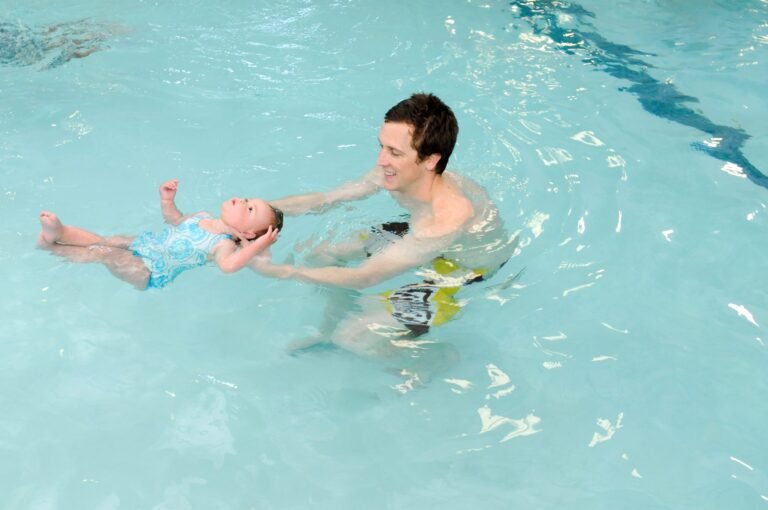
Watching children laughing and splashing in the water can be thought of as truly magical. Water play in a child’s world is the most fun: the ocean, a backyard pool, or a day at the lake. Amidst the joy lies a heavy responsibility: child safety. Drowning is still a major contributor to unintentional deaths in children. Drowning often happens silently within seconds.
Planning is not optional, it’s required. Having someone close by with the proper lifeguard training, identify the lifeguard certification, might be the difference between life and disaster. These are tools which allow adults to intervene immediately and properly if something goes wrong, not just certifications.
Preparing a Safe Space Around Water
Building a safe water setting begins before anybody even gets wet. It means being proactive—locking pool gates, scanning for dangers, and confirming that safety equipment is accessible and readily available. But unless someone knows how to use them, none of these safety measures really matter. This is where a lifeguard-certified adult helps.
Particularly at home, swimming pools should be the priority zones rather than only pleasure areas. Rescue equipment, such as poles and flotation rings, must be nearby, and safety guidelines need to be clear and rigorously observed. No diving in shallow places, no running, and under no circumstances swimming without adult supervision. These are crucial directions, not just good ideas.
Adults certified as lifeguards learn how to monitor these laws while keeping a quiet yet approachable presence. Their surroundings allow fun and safety to naturally coexist.
Teaching Children Basic Water Safety
Water safety education should start and end with a swimming session rather than a class. Starting from the time children are old enough to grasp, they should be instructed on how to be safe around water. Simple, age-appropriate techniques of never swimming alone, seeking permission before going near water, and knowing when they are too tired to keep swimming may all be imparted.
Children must also realize that floating and pool toys are not life-saving tools. Knowing how to float, tread water, and make for the edge or call for aid if necessary provides actual safety. Games, songs, or challenges that cause safety to seem a part of the fun can help one develop these talents.
Kids are still youngsters and make errors even if they have all the right information. This explains why it is so critical to have trained, alert, and ready adults close by. Training for lifeguards equips caregivers with the means to react to those times when children act instinctively.
Impact of Lifeguard Certification
Certification as a lifeguard is a useful skill for anyone who spends time around children, not only for teens searching for summer employment. Lifeguard certification program nearby indicates you have received practical instruction ranging from emergency response to spinal injury management to rescue methods.
Additionally, it creates a feeling of serenity and confidence that is necessary in crises. Panic causes individuals to freeze or make bad judgments. Someone who has undergone lifeguard training, however, has honed their concentration and rapid responses even under intense emotional situations.
For parents, teachers, and young leaders, this kind of training transforms regular monitoring into expert-level readiness. Although the certification process demands labor, the serenity it brings is priceless.
Remaining Alert and Involved Near Water
Adults should never believe they may tune out, even if a certified lifeguard is on duty. Working as a team is the greatest way. Parents and caregivers must remain active, nearby, and attentive. Avoiding diversions like reading or texting while youngsters are swimming, therefore, means.
During celebrations or group swims, assigning a “water watcher”—an adult whose only task is to keep an eye on the children in the pool—can be a game-changer. Regular rotations of this position will ensure that no one becomes exhausted; whoever is on duty should be focused.
A day at the water can be safe and pleasurable for everyone—lifeguards, parents, children—when everyone cooperates.
Developing Safer Communities with Lifeguard training
Water safety should be a collective objective rather than left to a select few. By supporting lifeguard certification and easy availability of training, communities can be quite helpful. More children will be safer, whether at school, camp, or the neighborhood pool, if more individuals are motivated to get educated.
The less the probability that anything could go wrong, the more trained eyes were watching over children. Education and preparation enable communities to enjoy the water without anxiety.
Support from the American Lifeguard Association
Should you be prepared to move forward, the American Lifeguard Association has trusted, nationally respected programs concentrating on safety, ability, and preparedness. Their lifeguard certification programs near you get people ready for real-life situations and highlight the need for prevention rather than just reaction.
Whether you are a parent, teacher, camp counsellor, or merely someone seeking to be more ready about children and water, lifeguard instruction is a safety investment. It helps to transform worry into confidence and to make certain water remains a place of pleasure rather than risk.
Staying attentive, training ourselves, and educating youngsters in good water practices enable us to all contribute to a safer, more enjoyable experience for everyone.
