

Traffic control is built on timing. Crews rely on accurate, real-time information to manage lane closures, detours, flagging operations, and shifting work zones. When updates are delayed, even by minutes, the impact can ripple across the entire site.
For traffic service companies, delayed updates are not just an inconvenience. They create real safety exposure for workers, drivers, and project managers. In high-risk environments, outdated information can quickly turn into unsafe conditions.
Here is how it happens and what smart operators are doing to prevent it.
The Chain Reaction of Outdated Information
Traffic sites are dynamic. A lane closure may shift. A crew may finish early. A utility conflict may force a detour adjustment. If that information does not move instantly from the field to supervisors and dispatch, decisions are made on assumptions.
A simple example:
A supervisor believes a two lane closure is still active because no update was logged. In reality, one lane has reopened. Drivers respond unpredictably. Flaggers are positioned based on the original plan. Confusion increases, and so does the risk of incidents.
On busy roads, even minor misalignment between plan and reality can lead to near misses or accidents.
Missed Hazard Escalations
Field crews often spot hazards first. Debris in the roadway. Malfunctioning signage. Poor visibility due to weather. Equipment placed too close to active traffic.
If reporting is delayed, the hazard remains live longer than it should.
The danger is not only the hazard itself. It is the gap between when it is noticed and when leadership knows about it. That gap is where liability grows.
Modern traffic operations need instant visibility into:
- Work zone changes
- Incident reports
- Crew movements
- Equipment repositioning
Without that visibility, managers are reacting late instead of preventing problems.
Compliance Breakdowns Under Pressure
Traffic service companies operate under strict state and municipal regulations. Work zone documentation, safety checklists, and timestamped activity logs matter during audits and investigations.
When updates are entered hours later, documentation becomes vulnerable.
Consider this scenario:
A minor accident occurs near a temporary traffic control setup. Investigators request proof that signage inspections were completed on schedule. If records are incomplete or updated after the fact, the credibility of the company is questioned.
Delayed updates weaken your defense. Accurate, time-stamped records strengthen it.
With tools like Field Promax, teams can log job activity, site notes, and safety confirmations in real time. That level of documentation helps protect both crews and contracts.
Crew Coordination Gaps
Traffic projects often involve multiple moving parts. One crew sets cones. Another installs signage. A third handles night adjustments. If one team changes positioning but fails to communicate immediately, the others may continue operating under outdated instructions.
This creates three major risks:
- Overlapping work zones
• Conflicting traffic patterns
• Confusion for motorists
Coordination failures are rarely dramatic at first. They show up as small inconsistencies that compound throughout the shift. Over time, these inconsistencies increase stress on workers and heighten the chance of human error.
Driver Behavior Is Unpredictable
Drivers react to what they see. If traffic control devices do not match the expected pattern, drivers hesitate, brake suddenly, or make unsafe lane changes.
Delayed updates often mean the digital plan does not reflect the physical setup.
For example, if dispatch believes a shoulder is closed but crews have reopened it, routing decisions and instructions to subcontractors may not align with actual site conditions. The result is uncertainty on the road.
Uncertainty is dangerous in traffic management. Clear, synchronized information reduces erratic driver behavior and keeps flow predictable.
The Cost of “We Will Update It Later”
In many companies, updates are postponed until the end of the shift. Supervisors intend to enter notes later. Crews plan to submit reports once they return to the yard.
The problem is simple. Memory fades. Details blur. Small safety checks are forgotten.
This habit creates:
- Incomplete inspection logs
- Missing time stamps
- Gaps in incident documentation
- Reduced accountability
Over time, leadership loses visibility into what is truly happening on active sites.
Real-time updates are not about micromanagement. They are about creating a single source of truth that everyone can rely on.
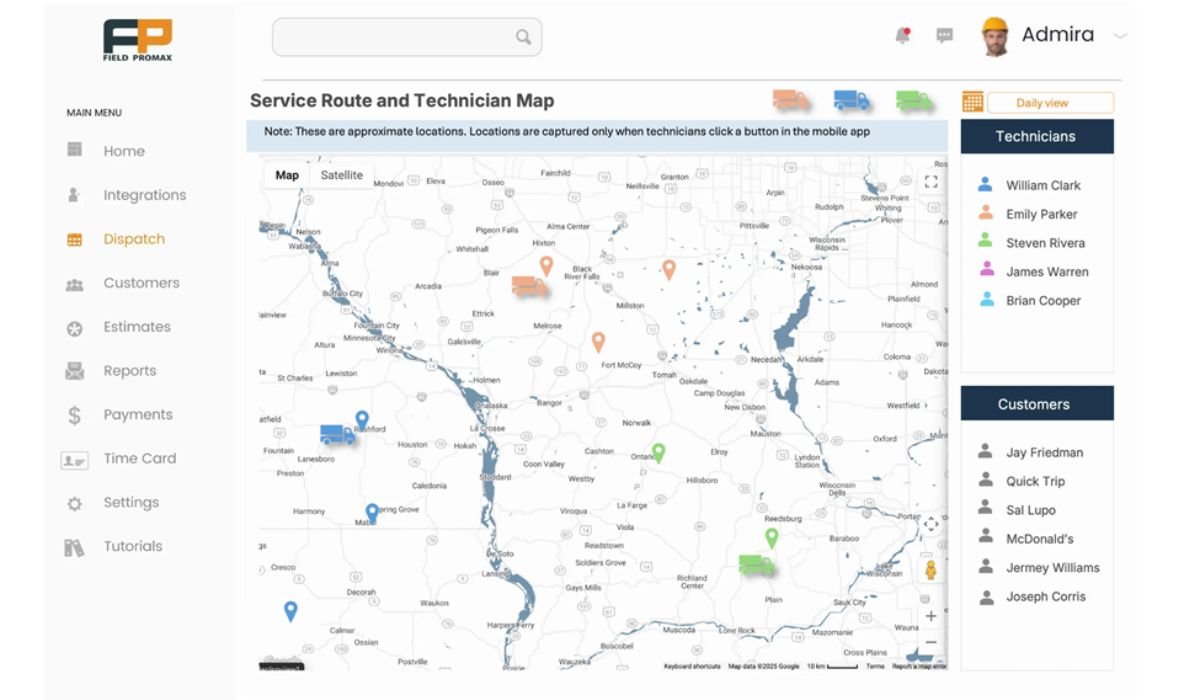
A Practical Safety Framework for Traffic Sites
If delayed updates are creating risk, here is a practical framework traffic service businesses can implement immediately.
- Real-Time Job Logging
Every lane shift, equipment move, and inspection should be logged when it happens, not hours later. - Centralized Communication
Avoid scattered texts and calls. Use one platform where updates are visible to supervisors, dispatch, and project managers. - Mandatory Hazard Escalation
Create a rule that hazards must be documented instantly with notes and photos. - Clear Role Accountability
Assign responsibility for updates. When everyone assumes someone else will log changes, no one does.
Many traffic companies are moving toward structured digital workflows. In one contractor scenario, a project manager shared that after implementing structured job updates through their scheduling system, near miss reports decreased because supervisors could act on issues within minutes instead of hours.
What Real Operators Are Saying
Busy traffic service owners often say the same thing:
“I did not realize how much guesswork we were operating on until we saw everything in one place.”
When updates move instantly from the field to leadership, decision-making improves. Supervisors can reallocate crews faster. Dispatch can adjust timelines. Safety managers can verify inspections without chasing paperwork.
Even something as simple as live job updates inside a system like digital work orders reduces the friction between field and office.
Safety Is a Timing Problem
Most traffic-related incidents are not caused by bad intentions. They are caused by miscommunication, delayed awareness, or incomplete documentation.
Timing is the difference between prevention and reaction.
If a lane closure changes at 10:12 AM but leadership finds out at 12:30 PM, that two-hour gap carries exposure. If a damaged sign is reported immediately and replaced within minutes, the risk window shrinks dramatically.
Traffic control will always involve risk. But delayed updates add unnecessary risk.
The Bottom Line for Traffic Service Owners
If you run a traffic service company, ask yourself:
- How quickly do I know when site conditions change?
• Are safety inspections logged in real time or reconstructed later?
• Can I prove compliance with time-stamped records?
Safety on traffic sites depends on synchronized information. When updates flow instantly, crews operate with clarity. Drivers experience consistent patterns. Documentation supports compliance. Leadership can make proactive decisions instead of reactive ones.
Many contractors are turning to structured digital systems like Field Promax to ensure updates, site notes, and safety logs are captured in real time instead of reconstructed after the fact.
In 2026 and beyond, clients expect transparency. Regulators expect accurate documentation. Crews expect clear direction.
Delayed updates weaken all three.
Tightening communication and logging processes is not about adding complexity. It is about reducing risk, protecting workers, and strengthening your reputation in an industry where safety is everything.
Frequently Asked Questions
1. Why are real-time updates so important on traffic control sites?
Traffic sites change constantly. Lane shifts, equipment moves, and weather conditions can alter safety setups within minutes. Real-time updates ensure supervisors, dispatch, and crews are working from the same information. Without that synchronization, decisions are based on assumptions, which increases the risk of incidents.
2. How do delayed updates increase liability for traffic service companies?
Delayed updates create gaps in documentation. If an accident or audit occurs, investigators will look for time-stamped proof of inspections, hazard responses, and work zone adjustments. When records are entered hours later or reconstructed from memory, credibility weakens and legal exposure increases.
3. What are the most common safety issues caused by poor communication on traffic sites?
The most common risks include:
- Conflicting traffic patterns
• Overlapping work zones
• Missed hazard escalations
• Incomplete safety inspections
Most of these problems start small. The danger grows when leadership is unaware of site changes in real time.
4. What is the simplest way to reduce update delays?
Start with structured, mandatory logging of job activity as it happens. Assign clear responsibility for entering updates and centralize communication into one system. When field teams know that every lane change, inspection, and hazard must be documented immediately, safety visibility improves dramatically.
