

There was a time when going to a festival or live event meant packing a ticket, some cash, a rain jacket and perhaps a disposable camera. Today, the checklist looks very different. The ticket is on your phone, the map is in an app, friends coordinate through group chats, payments are often contactless, and the best moments are captured, edited and shared before the headline act has even left the stage.
That shift has made the smartphone central to the UK event experience. Whether it is a summer music festival, a football match, a comedy night, a food market, a weekend gig or a large outdoor show, the phone now handles far more than communication. It is the ticket wallet, camera, timetable, navigation tool, payment device and safety line all at once.
The problem is obvious: events are exactly the kind of environment where phone batteries suffer. Long hours away from home, poor signal, constant photography, bright screens, video recording, location sharing and social apps can drain a battery quickly. That is why a portable charger has become less of a nice-to-have and more of a sensible part of the modern event kit.
For many UK consumers, the choice is no longer whether they should bring backup power, but what kind of charging setup makes the most sense. A compact power bank may be the most practical option for all-day reliability. A wireless charger can be useful in more relaxed settings where convenience matters. The right choice depends on the event, the device and how heavily the phone will be used.
Digital tickets changed the stakes
One of the biggest reasons mobile charging now matters more is the rise of digital ticketing. For many events, the phone is no longer just helpful; it is required. Entry tickets, QR codes, travel passes, hotel confirmations and parking information often live on the same device.
That means a dead battery can create problems before the event even begins. If the ticket cannot be displayed at the gate, or the train pass cannot be accessed on the journey home, a fun day out can quickly become stressful. A portable charger provides a simple layer of protection against that scenario.
It is not about being overly cautious. It is about recognising that the phone now carries access to essential parts of the day. When the event experience has gone digital, battery life becomes part of planning.
Festivals are especially tough on batteries
Festivals are one of the hardest environments for smartphones. The day often begins early and ends late. Signal can be patchy because thousands of people are using the same networks. Screens stay bright in outdoor light. Cameras and video apps run constantly. Messaging becomes essential as groups split up and meet again throughout the day.
Even a phone that normally lasts all day can struggle in these conditions. Recording short videos, checking the line-up, finding stages, using maps and uploading content all add up. By late afternoon, many people are already hunting for charging points.
A compact power bank is still the most dependable answer here. Unlike fixed charging stations, it stays with the user. It works in a queue, on the grass, outside a tent or while walking between stages. For multi-day festivals, a higher-capacity option can be especially useful, particularly if access to mains power is limited.
The role of wireless charging at events
A wireless charger is not always the obvious choice for a crowded field or standing-room gig. But it does have a place in the broader event ecosystem. For hotel stays, glamping setups, press rooms, backstage workspaces, café stops or travel days around the event, wireless charging can offer a cleaner and more convenient way to keep a device topped up.
The appeal is simple: fewer cables and less fuss. Place the phone down, let it charge, pick it up when needed. For users who already prefer a cable-free setup at home or at work, carrying a compact wireless charging solution can fit naturally into the way they use their phone.
That said, a wireless charger is usually best seen as a convenience option rather than the only backup power source for a long day out. For demanding event use, a traditional power bank or magnetic portable charging solution may still be more practical.
Portable charging is also about safety
It is easy to think about battery life in terms of photos and social media, but the safety angle is just as important. At busy events, phones help people stay in touch, share locations, book transport, contact emergency services and navigate unfamiliar areas. This becomes especially important late at night, after the final act, when crowds leave at the same time and public transport can be busy.
Running out of battery at that moment is more than inconvenient. It can make coordination harder, especially for groups travelling separately or parents keeping in touch with teenagers. A portable charger helps keep that safety net available.
This is particularly relevant for events in rural or temporary venues, where transport options may be limited and signal strength can vary. Keeping enough charge for the journey home should be part of basic event preparation.
What makes a good event charger?
The best event charger is not always the largest one. Capacity matters, but so do portability, durability and ease of use. Nobody wants to carry a heavy brick around a festival site all day unless they truly need that much power.
For most day events, a compact power bank that can provide at least one meaningful top-up is often enough. For long festivals, camping trips or groups sharing power, higher capacity becomes more useful. The right choice depends on how many devices need charging and how long the user will be away from reliable mains power.
A good portable charger should also be easy to use in real conditions. That means clear battery indicators, reliable output, a sensible size and a design that can survive being carried in a bag all day. If it requires too much effort or feels too bulky, it will probably be left at home — which defeats the point.
The camera problem
Modern phones take excellent photos and videos, but event photography is one of the fastest ways to drain a battery. Short clips, repeated shots, portrait mode, live photos, social uploads and video stabilisation all demand energy. The brighter the outdoor conditions, the harder the screen works too.
This creates a familiar pattern. People start the day enthusiastically recording everything, then spend the evening rationing battery and avoiding photos just when the biggest moments arrive. A portable charger changes that behaviour. It allows people to use the phone as intended without constantly calculating whether they should save the last 15 percent.
For many users, that is the real benefit: less battery anxiety. The device becomes a tool again rather than a percentage to protect.
Why quality matters
Charging accessories are easy to underestimate, but quality matters. A charger is often used with expensive devices and carried in unpredictable environments. It needs to be dependable, safe and convenient.
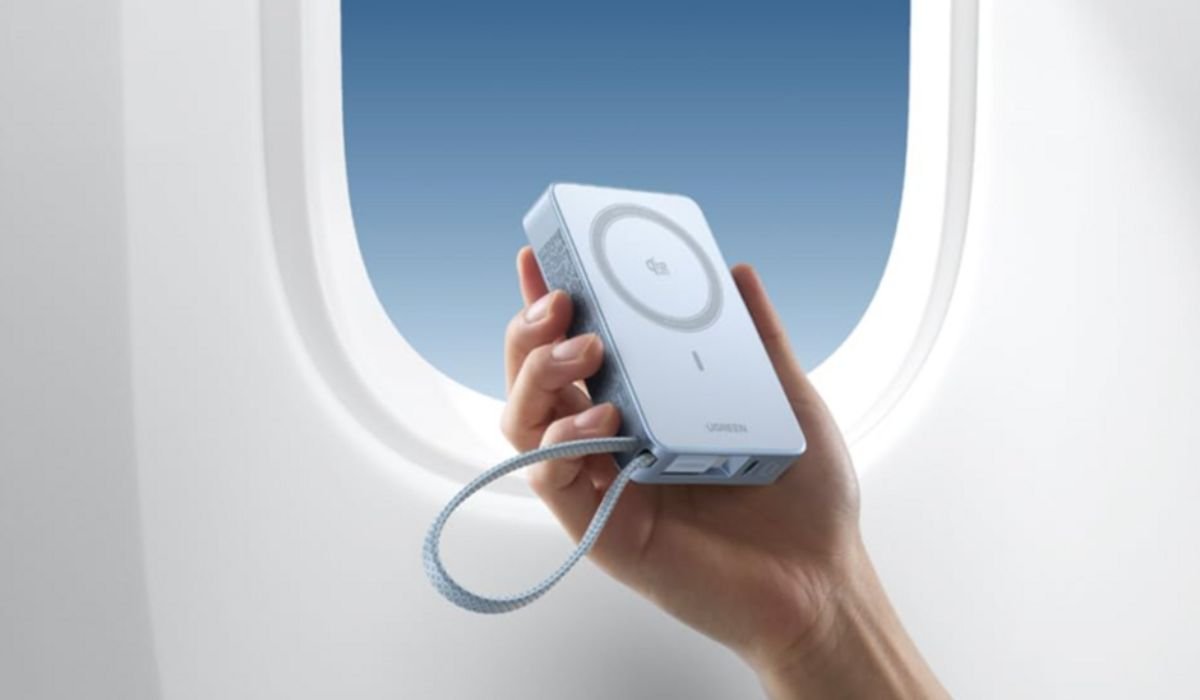
This is where brands such as UGREEN sit naturally in the conversation. For users looking at event-ready charging gear, the attraction is not simply extra battery capacity, but a more reliable way to keep essential devices powered throughout a long day. A well-designed power bank, portable charger or wireless charger should feel like part of the daily carry rather than an emergency afterthought.
Building a practical event charging setup
For occasional gigs or short evening events, a slim portable charger may be enough. For a full-day festival, a larger power bank makes more sense. For hotel stays, work trips or more relaxed event weekends, adding a wireless charger can make the wider setup more convenient.
The smartest approach is to think in terms of the whole day. How long will you be away from home? Will you need digital tickets? Are you relying on your phone for travel? Will you be taking lots of video? Are you going with a group? The more important the phone is to the experience, the more important backup power becomes.
Conclusion
The UK event experience has changed. Phones now carry tickets, maps, payments, transport information, cameras and communication. That makes battery life a practical part of planning, not just a minor technical concern.
A portable charger gives users control over one of the most common event-day problems. A compact power bank can keep a phone alive through long queues, travel delays and headline sets, while a wireless charger can add convenience around the wider trip. Together, they reflect a simple reality: modern events are digital, and digital experiences need reliable power.
For anyone heading to a festival, match, concert or outdoor show, packing backup power is now as sensible as checking the weather. The best technology at an event is the kind that quietly keeps the day running.
