
Visiting the dentist can make even the bravest kids feel a little nervous. Whether it’s their very first appointment or they’re still thinking about that one uncomfortable experience, children often approach dental visits with some apprehension. Here’s the thing: you, as a parent, hold tremendous power in shaping how your child views these important appointments. The preparation you do beforehand doesn’t just calm those pre-visit jitters; it actually builds a foundation for healthy dental habits that’ll stick with them throughout their entire life.
Understanding the Importance of Early Dental Visits
Here’s something that catches many parents off guard: your little one should see a dentist by their first birthday, or at least within six months of that first tooth popping through. These early visits aren’t really about hunting for cavities in those tiny teeth. Instead, they’re golden opportunities for you to learn the ropes, proper brushing techniques, what to expect during teething, and which foods support healthy dental development at different ages. Beyond the educational aspect, these appointments let the dentist keep tabs on how your child’s teeth and jaw are developing, catching potential problems while they’re still small and manageable.
Talking to Your Child About the Dentist Visit
The way you communicate about the upcoming dental visit can make all the difference in the world. Start the conversation a few days ahead of time, keeping your language simple, upbeat, and free from scary words. You’ll want to steer clear of terms like “pain, ” “hurt, ” or “shot”, these create unnecessary worry. Instead, frame the visit as an exciting adventure where they’ll learn how to keep their smile super healthy and bright.
Practical Preparation Steps for the Appointment Day
The morning of the dental appointment calls for some strategic planning to set everyone up for success. Try to book the appointment when your child is typically at their best, well, rested and cooperative, definitely not right before naptime or when hunger usually strikes. A familiar comfort item, whether that’s a beloved stuffed animal or their favorite blanket, can provide genuine emotional support during the visit. Comfortable clothing makes a difference too, choose something that allows easy movement and doesn’t restrict access for the dental examination.
What to Expect During the Dental Examination
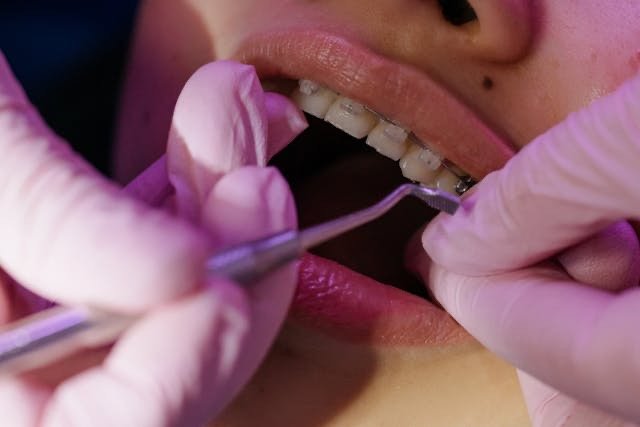
Understanding what’ll actually happen during the appointment helps you prepare your child more effectively and answer their questions with confidence. The dental hygienist or dentist typically begins with a warm, friendly greeting before showing your child the examination chair and various tools in a completely non-threatening way. For young children or first-timers, you’ll usually be invited into the examination room, you might even get to hold your child during the checkup if that makes them more comfortable. The examination itself is pretty straightforward: counting teeth, checking for any cavities, examining the gums, and assessing how everything’s developing. When scheduling regular checkups, many parents seek practices specializing in Eastlake pediatric dentistry to ensure their children receive age-appropriate care in a welcoming environment. The dentist might also clean the teeth, apply fluoride treatment, and take X-rays if they’re necessary and appropriate for your child’s age. Throughout everything, the dental team will explain what they’re doing using kid-friendly language, often comparing their tools to everyday objects, calling the tiny mirror a “tooth mirror” or describing the suction tool as a “silly straw. ” Many pediatric dental offices go the extra mile with fun touches like cartoons on the ceiling, cheerful decorations, and special reward systems that genuinely make the experience enjoyable.
Addressing Common Fears and Anxieties
Dental visits, children’s fears usually boil down to a few common sources: the unknown, worry about being separated from you, or sensory sensitivities to the unfamiliar sounds, smells, and sensations filling dental offices. Rather than brushing off these concerns with a quick “you’ll be fine, ” validate what your child’s feeling while gently maintaining that positive outlook. Visualization techniques can work surprisingly well, help your child imagine themselves being brave and cooperative, like their favorite superhero or character. For children who are particularly sensitive to sensory input, don’t hesitate to call the dental office ahead of time to discuss accommodations.
Building Positive Reinforcement and Post-Visit Routines
A solid system of positive reinforcement can completely transform your child’s attitude toward dental visits. Focus your praise on specific behaviors, things like sitting still in the chair, opening wide when asked, or showing bravery during new experiences, rather than offering vague compliments. Small rewards following the appointment can strengthen those positive associations. Think extra playtime at their favorite park or letting them choose a healthy snack they enjoy.
Maintaining Good Oral Hygiene Between Visits
Preparing your child for dental visits really extends far beyond the appointment itself, it includes building strong daily oral hygiene habits at home. Start brushing your child’s teeth the moment that first tooth appears, using the right amount of fluoride toothpaste for their age and a soft, bristled brush designed specifically for little mouths. Turn brushing into something fun by singing songs together, using timers shaped like their favorite characters, or letting your child pick out their own toothbrush and toothpaste flavor. You’ll need to supervise brushing until your child develops both the manual dexterity and the sense of responsibility to brush effectively on their own, which typically happens around age seven or eight.
Conclusion
Preparing your child for dental visits represents a genuine investment in their long-term oral health and overall well-being. By starting these visits early, communicating with positivity and honesty, addressing fears with empathy and understanding, and maintaining solid oral hygiene habits at home, you’re building the foundation for a lifetime of healthy smiles and truly positive dental experiences. Keep in mind that every child is wonderfully unique, what works perfectly for one might not resonate with another, so staying patient and flexible in your approach really matters. The effort you invest in preparing your child today will pay off tremendously down the road as they develop real confidence in dental settings and begin taking ownership of their own oral health.
