
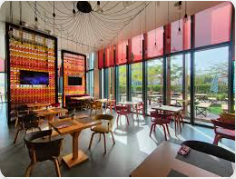
Ageing hotels and restaurants face a familiar challenge. Guest expectations continue to rise, while renovation budgets often stay tight. Modernization does not require major construction or extended closures. Practical, budget-friendly renovations focus on visible improvements, reliable materials, and steady performance over time. When planned carefully, smaller upgrades reshape perception, improve daily operations, and support stronger guest satisfaction across the property.
Why modernization matters for ageing hospitality properties
First impressions influence guest decisions faster than advertising ever will. Outdated interiors often suggest neglect, even when service quality remains strong. Guests notice worn finishes, inefficient layouts, and inconsistent design choices the moment they arrive. These details affect reviews, recommendations, and return visits.
Modernization also supports smoother operations. Older properties often deal with recurring maintenance issues, mismatched materials, and inefficient lighting or fixtures. Thoughtful updates reduce repair frequency while improving visual appeal. Renovations focused on function and durability protect margins while strengthening guest confidence.
Start with a realistic property assessment
Every successful renovation begins with a clear understanding of existing conditions. Walk through the property as a guest would and note areas that feel dated, crowded, or inconsistent. Public spaces, dining areas, corridors, and guest rooms all shape the overall experience.
Separate surface-level issues from structural or compliance concerns. Worn finishes, outdated colors, and poor lighting often deliver the fastest visual improvements. Larger structural changes require higher investment and longer timelines. Clear assessments help prevent wasted spending and guide smarter decisions.
Set renovation priorities that deliver visible value
Areas with constant guest traffic deserve early attention. Entrances, lobbies, dining spaces, and shared corridors shape perception more than private areas. Improvements here influence reviews and brand reputation quickly.
Consistency matters as much as quality. A few updated spaces alongside outdated ones create a visual disconnect. Focus on coordinated upgrades across connected areas. Guests notice balance and continuity even when changes remain subtle.
Budget planning strategies that prevent overspending
A renovation budget needs structure and discipline. Break costs into clear categories such as materials, labor, design, and contingency reserves. Unexpected expenses often appear in ageing properties, especially during removal or surface preparation.
Avoid spreading funds across too many upgrades at once. Concentrated investments create clearer results than scattered improvements. Spending decisions should align with guest visibility, durability needs, and reduced maintenance demands.
Design updates that modernize without major construction
Design refreshes often outperform heavy construction projects. Updated color palettes, refined textures, and cleaner finishes modernize interiors quickly. Neutral tones paired with warm accents age better and reduce the need for frequent redesigns.
Layout adjustments also affect comfort and flow. Removing visual clutter, improving circulation paths, and simplifying furniture placement create more usable spaces. These changes rarely require structural work yet noticeably improve how guests experience the property.
Material choices that balance durability and cost
Hospitality environments demand materials built for frequent use. Durable finishes reduce replacement cycles and control ongoing expenses. Focus on materials with a strong track record in busy settings.
Value comes from lifespan rather than upfront price. Materials that maintain appearance under regular use protect both budgets and brand image. Easier maintenance routines also free staff time and reduce operational strain.
Upgrading fixtures, fittings, and hardware across the property
Smaller components often deliver meaningful visual change. Replacing outdated hardware, fixtures, and fittings refreshes spaces without disrupting operations. Consistent finishes across rooms and shared areas reinforce a unified look.
Standardization simplifies maintenance and inventory management. Using similar components throughout the property reduces repair complexity and replacement costs. These upgrades quietly support both guest perception and daily operations.
Lighting improvements that elevate guest experience
Lighting affects mood, safety, and spatial perception. Poor lighting exaggerates wear and makes spaces feel smaller or less inviting. Targeted upgrades improve comfort while lowering energy use.
Layered lighting works especially well in hotels and restaurants. Ambient lighting supports relaxation, while task lighting improves function. Energy-efficient fixtures reduce utility expenses while maintaining a welcoming atmosphere.
Creating consistency between hotel and restaurant spaces
Hotels and restaurants function as a single brand experience. Visual consistency across shared spaces strengthens recognition and trust. Guests appreciate cohesive design language from arrival through dining areas and beyond.
Design alignment also supports clarity and ease of movement. Staff navigate spaces more easily, while guests feel oriented and comfortable. This is where planning overlaps with resources like bathroom ideas for restaurants, offering insights that translate across hospitality spaces when applied thoughtfully.
Working with suppliers and contractors efficiently
Supplier relationships influence both cost control and scheduling. Request multiple quotes and review material specifications carefully. Lower pricing rarely offsets poor durability or delivery delays.
Contractors with hospitality experience understand occupancy challenges and timing constraints. Coordinated schedules reduce downtime and protect revenue during renovation phases. Clear communication helps avoid delays and budget creep.
Phased renovation strategies for occupied properties
Phased renovations allow properties to remain open while improvements move forward. Dividing work by zone limits disruption and maintains revenue flow. Guest-facing areas receive priority while secondary spaces follow.
Clear signage, staff coordination, and transparent scheduling reduce guest frustration. Thoughtful phasing helps maintain service standards even while renovations are underway.
Measuring renovation success over time
Post renovation evaluation confirms return on investment. Track guest feedback, online reviews, and repeat booking trends. Maintenance records also reveal whether material choices perform as expected.
Operational indicators such as cleaning time, repair frequency, and energy usage provide additional insight. These metrics guide future updates and support informed planning.
Conclusion
Modernizing ageing hotels and restaurants does not require oversized budgets or full closures. Strategic planning, disciplined spending, and focused upgrades deliver meaningful results. When renovations prioritize visibility, durability, and consistency, properties stay competitive while protecting lasting value.
