
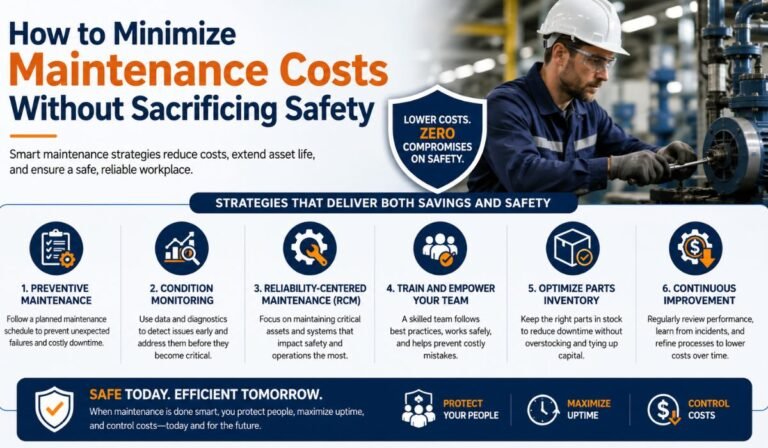
Managing maintenance costs is a challenge that nearly every organization faces, regardless of industry. Whether you oversee a fleet of ground support equipment, manage an industrial facility, or operate aviation assets, keeping expenses in check while upholding rigorous safety standards requires careful, deliberate planning. Cutting corners on maintenance may look like a practical short-term solution, but it can quickly lead to equipment failures, regulatory violations, and increased liability. Understanding how to strategically reduce costs without compromising safety is essential for any operation that depends on well-functioning equipment.
Prioritize Preventive Maintenance Over Reactive Repairs
One of the most effective ways to control maintenance costs over time is shifting your approach from reactive to preventive maintenance. Reactive maintenance—waiting until something breaks before addressing it—almost always costs more in the long run, largely due to emergency labor rates, expedited parts sourcing, and unplanned downtime. Preventive maintenance, by contrast, involves scheduling regular inspections and servicing based on manufacturer guidelines and usage cycles, which allows you to catch small issues before they become expensive problems. Staying ahead of wear and tear extends the usable life of your equipment and helps you avoid the compounding costs that come with major repairs. A well-documented preventive maintenance schedule also supports compliance with industry safety regulations, protecting your organization from costly fines and audits down the road.
Invest in Quality Equipment and Replacement Parts
The upfront cost of equipment and parts can tempt operators to reach for lower-priced alternatives, but that decision often leads to higher long-term maintenance expenses than anticipated. Components that fall short of original equipment manufacturer (OEM) specifications tend to wear out faster, create compatibility issues, or introduce safety risks that demand additional corrective action. Investing in high-quality equipment from reputable manufacturers means your assets perform as intended and require fewer unplanned interventions over their service life. Using properly rated tools and accessories designed for specific applications can significantly reduce the frequency of service calls and component replacements. When sourcing ground support equipment, professionals who need to test hydraulic systems rely on purpose-built solutions like the 02-7856c0100 product to ensure components meet the precise standards required for safe and reliable operation. Sourcing parts and equipment through trusted suppliers helps maintain operational integrity while keeping your safety standards firmly intact.
Train Personnel and Standardize Maintenance Procedures
Human error is one of the most common contributors to both equipment damage and workplace safety incidents, making personnel training a foundational part of any cost-reduction strategy. Properly trained technicians are far more likely to spot early warning signs of equipment degradation, follow correct servicing procedures, and avoid the kinds of mistakes that lead to costly repairs. Standardizing maintenance procedures across your organization ensures consistency and reduces the variability that so often results in oversights or incorrect servicing. Documenting all maintenance activities—including inspection results, parts replaced, and technician sign-offs—creates an accountability trail that supports safety audits and helps surface recurring issues before they escalate. According to the Federal Aviation Administration’s maintenance guidelines , thorough recordkeeping and procedural adherence are central to maintaining airworthiness and operational safety. Ongoing training programs that keep personnel current on manufacturer guidelines and evolving best practices represent an investment that pays for itself through fewer equipment failures and reduced safety incidents.
Conduct Regular Equipment Audits and Risk Assessments
Periodic equipment audits give you a clear picture of your assets’ overall health and help you make informed decisions about repair, replacement, or retirement. Rather than running aging or degraded equipment until it fails, a structured audit process lets you plan capital expenditures in advance and sidestep the high cost of emergency replacements. Risk assessments help you identify which pieces of equipment pose the greatest safety concerns if they were to fail, so you can prioritize maintenance resources where they matter most. Tracking audit findings over time generates trend data that can reveal patterns of wear or recurring failures, which in turn informs smarter procurement decisions and more targeted preventive maintenance schedules.
Leverage Modern Maintenance Management Tools
Technology has made it easier than ever to run a maintenance program efficiently without losing sight of safety oversight. Computerized maintenance management systems (CMMS) let you track equipment history, schedule preventive tasks, manage parts inventory, and generate compliance reports from a single centralized platform. These systems cut administrative burden while giving you meaningful visibility into the overall health of your equipment portfolio. Digital tools can also send automated alerts when service intervals are approaching, helping you avoid missed maintenance windows that could quietly develop into safety concerns. By relying on data-driven insights to guide your decisions, you can allocate resources more effectively and reduce the likelihood of costly, preventable failures that catch operations off guard.
Conclusion
Minimizing maintenance costs without sacrificing safety is genuinely achievable when you take a disciplined, proactive approach to equipment management. By prioritizing preventive care, investing in quality components, standardizing procedures, conducting regular audits, and making use of modern technology, you can reduce expenses while keeping your operations safe and compliant. Each of these strategies reinforces the others, forming a comprehensive framework that supports both financial efficiency and operational reliability. Maintenance should never be viewed purely as a cost to eliminate, but rather as a critical investment in the longevity and safety of your equipment and the people who depend on it. With the right systems and practices in place, protecting both your bottom line and the well-being of your team becomes far more manageable.
