
Getting into hookah can be exciting, but the number of choices can feel like a lot, even if you already have experience. So how do you spot high-quality hookah products before buying? Focus on the materials, how well the parts fit together, and whether the brand has a good track record.
Don’t get distracted by shiny looks alone. The parts inside and the way the hookah is built are what shape your session the most. Before you buy your next setup, use the signs below to separate great products from “just okay” ones, so your money goes to something that lasts and feels good to use.
Whether you’re shopping in a local store or online, like at a trusted shisha shop Shisha Boutique, good information helps you buy with confidence. A high-quality hookah is more than decoration. It should be built for smooth performance, long life, and safe use. If you watch for the key points in this guide, you’ll be able to pick a hookah that looks good and delivers a solid session again and again.
Why High Quality Hookah Products Matter
Buying quality hookah gear is not about showing off. It directly affects how your hookah smokes, how long it lasts, and how safe and easy it is to use. Think of it like buying a well-made tool instead of a cheap one. One works properly for years, and the other causes problems and needs replacing.
Health, Longevity, and Smoking Safety
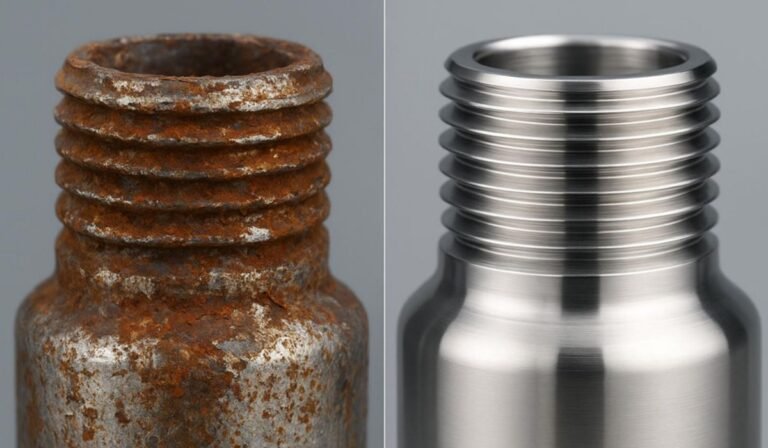
Safety should always come first. Low-quality hookahs often use weaker metals like chrome-plated steel or soft aluminum. Over time, these materials can rust, corrode, or start leaking air. That hurts performance and can also put unwanted material into your smoke.
For example:
- Chrome-plated steel can build up limescale quickly. Threads can get stuck, making the hookah hard to take apart.
- Soft aluminum can bend or damage its threads, which often leads to leaks.
Hookahs made from high-grade stainless steel last much longer, resist rust, and are easier to clean. They also keep a cleaner smoke over time because the material holds up instead of breaking down. Strong construction also means parts fit properly and keep the airtight seal you need for safe, smooth smoking.
User Experience and Flavor Quality
The hookah pipe itself has only a small effect on flavor. Flavor mostly comes from your shisha, bowl, heat management device (HMD), and how you pack the bowl. Still, a good hookah is a must for a good experience because its main job is to move smoke smoothly from the bowl to your mouth.
The most important point is airtightness. If outside air leaks in, the session gets worse right away.
Quality hookahs also give you a better draw:
- An open draw (low resistance) works well for light tobacco in a phunnel bowl.
- A more restricted draw gives a classic, traditional feel.
A removable diffuser can also help by making the draw smoother and quieter (it breaks up bubbles in the water). Many premium hookahs also have modern blow-off (purge) systems that clear old smoke fast, so each puff tastes fresher. They also look great during use, which many people enjoy.
Cost-Effectiveness Over Time
Spending more at the start often saves money later. Very cheap hookahs can be a trap. They are often made with low-grade materials, wear out quickly, and need replacement parts sooner. After a while, the “cheap” option can cost more than a good hookah.
A well-built stainless steel hookah can last for years with basic care. You avoid problems like stuck threads, rust, and damaged connectors. Many good stainless steel hookahs start around €80, while premium models often sit around €150-€250. In exchange, you get stable performance, easier cleaning, and fewer repairs.
Key Signs of a Well-Made Hookah
When comparing hookahs, a few clear signs can tell you a lot. These are not just style choices. They show how the hookah was built and how well it will hold up in real use.
Durability: What Materials Signal Quality?
Material choice is one of the biggest quality signals. Today, stainless steel is usually the best option. It’s rust-resistant, strong, low-maintenance, and doesn’t change flavor. If you want a hookah that lasts, stainless steel is usually the safest bet.
Other materials have trade-offs:
- Brass/copper: classic “tradi” look, but they tarnish and need polishing.
- Aluminum: light and common, but softer and easier to damage.
- Chrome-plated steel: shiny at first, but limescale can build up fast, especially on threads.

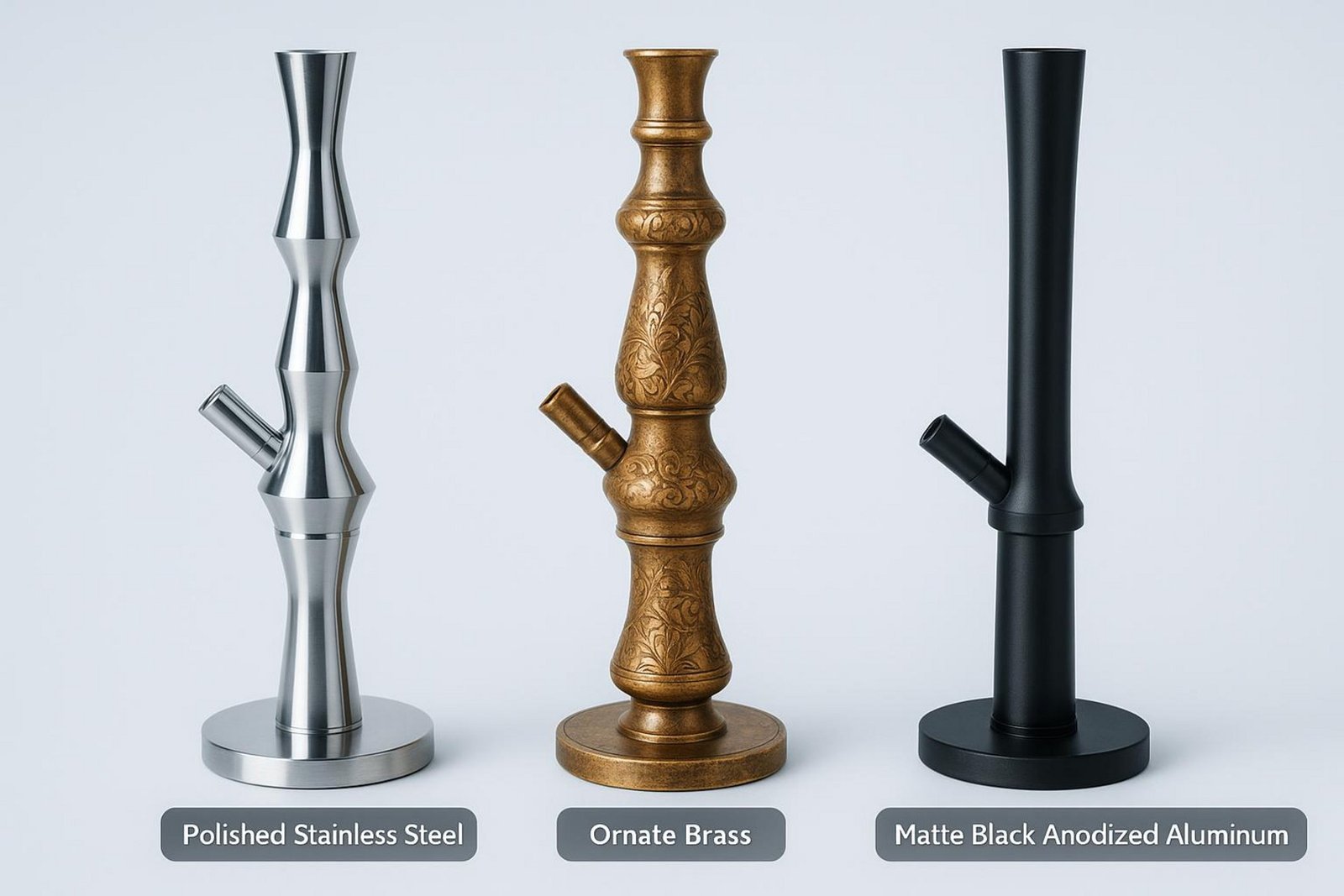
If long life and low hassle matter to you, stainless steel is usually the best pick.
Precision Engineering in Joints and Seals
A hookah is only as good as its seal. Air leaks-especially between the base and glass-can ruin the draw and make smoking feel weak. High-quality hookahs are built so the parts connect tightly and evenly. You should not need to force things into place, and the hookah should not feel loose.
Plug-in systems have improved a lot. With the right grommets (some brands call them “Perfect Fit Seals”), plug-in connections can be just as airtight as screw-thread designs. Some higher-end plug-in hookahs even include two base grommets in different sizes so the glass fits snugly without wobble.
Stable Base and Leak-Free Performance
A stable base is about safety and comfort. A good hookah should feel balanced and resist tipping, especially when filled with water. The glass base should also be cleanly made, with no chips or cracks that might cause leaks.
Leak-free performance is a key sign of quality. Every connection should hold tight so outside air doesn’t sneak in. That airtight system is what supports an even draw, steady heat use, and thick smoke.
Which Materials Indicate a Premium Hookah?
Looking closer at materials helps you judge both lifespan and daily use. Most hookahs use a few common materials for their main parts, and each one comes with pros and cons.
Stainless Steel vs. Aluminum: Which Lasts Longer?
For main parts like the stem and connectors, stainless steel usually lasts longer. It resists rust, is tough, and is easy to keep clean. You can even leave stainless steel parts in water without worrying much about damage, which makes cleaning simpler over time. Some brands, like MozeShisha, focus on stainless steel models for exactly these reasons.
Aluminum is lighter and often cheaper, but it’s softer. Threads can wear down or bend, which can lead to leaks later. Anodized aluminum is better than basic aluminum, but it can still oxidize if left in water too long. If you want a long-term setup with fewer worries, stainless steel is usually the stronger choice.
Glass, Crystal, and Acrylic Bowls: Pros and Cons
People often say “bowl” and mean different things, so let’s separate them:
| Part | Material | Upside | Downside |
| Glass base (water container) | Glass | Classic look, easy to see water/smoke | Breaks more easily |
| Glass base (water container) | Crystal | Very clear and premium-looking | Still fragile |
| Glass base (water container) | Acrylic | Tough, travel-friendly, hard to shatter | Can scratch and may be harder to deep-clean |
For the tobacco bowl (where you pack shisha), glazed clay/ceramic is a strong sign of quality. It heats evenly and carries flavor well. The glaze helps stop syrup from soaking in and can help the bowl last longer. Silicone bowls are also common because they’re tough and easy to handle.
Wood Components: Authenticity or Risk?
Wood on a hookah is usually there for looks, such as sleeves on the stem or a mouthpiece detail. It doesn’t improve smoke quality by itself. The important parts underneath should still be made from water-safe materials like stainless steel.
The main risk with wood is moisture. If wood is not treated or sealed properly, it can swell, crack, or grow mold over time. If you buy a hookah with wood parts, check that the wood is well-finished or that it’s a removable sleeve that won’t cause hygiene problems.
Assessing Functional Design Elements
Materials matter, but design also plays a big part in how easy and enjoyable a hookah is to use. Small design choices can make cleaning simpler, improve airflow, and reduce day-to-day frustration.
Connection Systems: Plug-In vs. Screw Thread
The way the stem connects to the base is a major design choice. Screw-thread designs used to be seen as the “better” option because they lock in firmly. But modern plug-in systems now work very well and have benefits of their own.
Many plug-in bases use a standard neck size (often 45 mm). That makes it easier to find a replacement base if your glass breaks. It also means you can swap bases between different plug-in hookahs for a different look.
With good grommets, plug-in systems can be airtight and stable. Some even include different grommet sizes to stop wobbling. Another practical point: carrying a screw-thread hookah by the stem can slowly weaken the glue on the glass thread over time. Plug-in systems avoid that specific risk.
Blow-Off Valve Placement and Utility
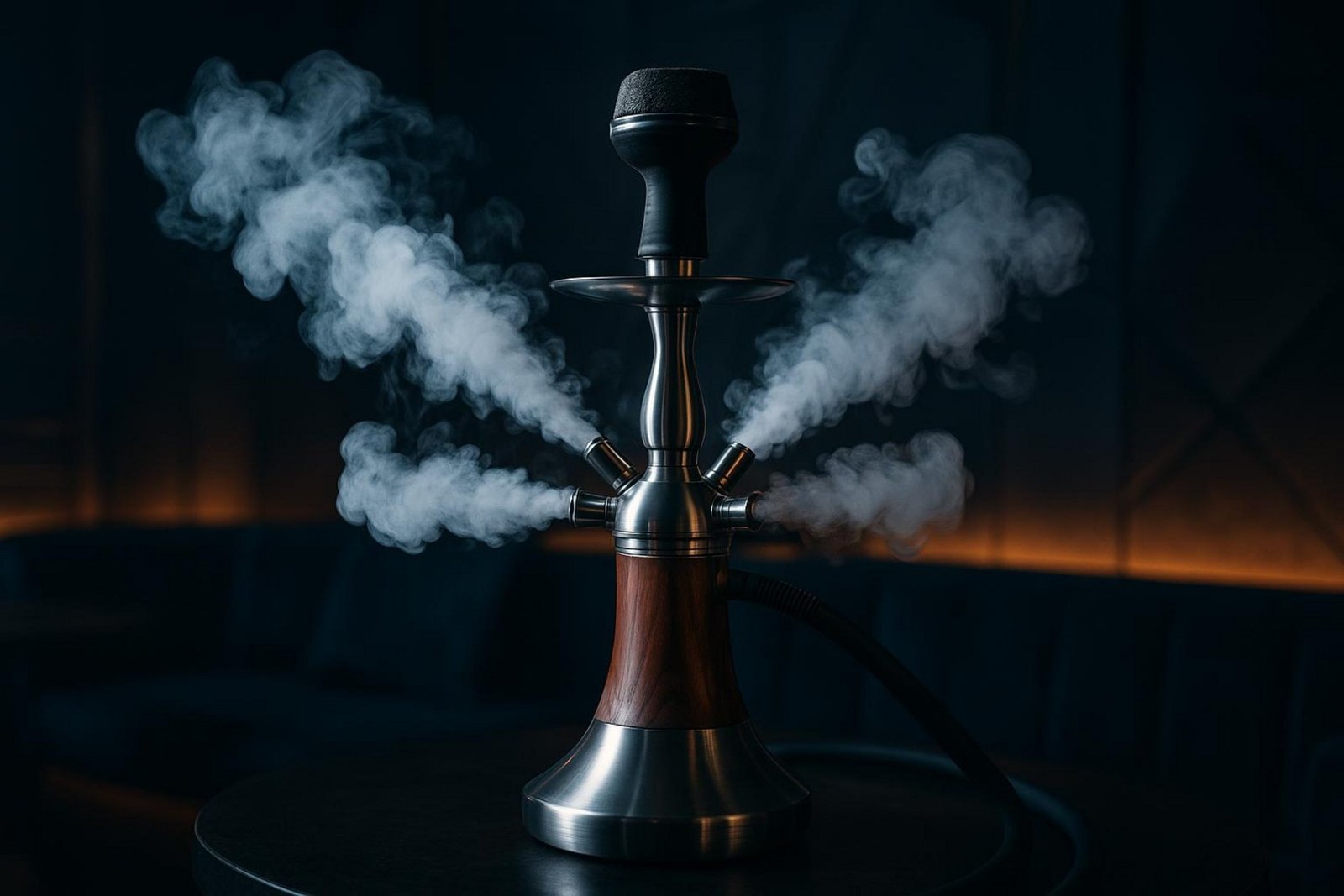
The blow-off (purge) is used to clear old smoke from the base so the next puff tastes fresh. On newer hookahs, the purge is also part of the style. Smoke can blow out from different places, like through the stem, around the tray, or through patterns in a sleeve.
Premium models (for example, Moze Breeze Two or Moze Varity) may offer adjustable blow-off options, letting you change where the smoke exits by switching parts around. Features like this usually show that the maker put real thought into both function and user enjoyment.
Ease of Cleaning and Maintenance
A good hookah should be easy to clean. Stainless steel parts help a lot because they resist rust and buildup. Modern silicone hoses also help because you can wash them after every session, unlike older fabric hoses that hold old flavors.
Many modern hookahs also break down into smaller pieces, which makes cleaning easier-especially if you have a small sink. Try to avoid designs with lots of tight, hidden spaces where syrup and residue can build up.
Essential Hookah Accessories to Look For
The hookah pipe is only one part of a good setup. Accessories can make a big difference, and the quality of included gear often tells you how serious the brand is about the full experience.
Included Bowls and Heat Management Devices
If you’re new or you want convenience, sets that include a good bowl and a reliable HMD can be a big plus. These parts affect flavor, heat control, and smoke output more than the pipe does.
Things to look for:
- Phunnel bowl: easier packing, keeps syrup from dripping into the stem.
- Good HMD: steady heat without foil, easier heat control.
- Molasses catcher: helps keep syrup and bits out of the stem and base.
Some brands (like Amotion) sell full sets where you mainly need to add tobacco and charcoal, which makes getting started much simpler.
Quality of Hose and Mouthpiece Materials
Your hose and mouthpiece directly affect comfort and hygiene. Most high-quality hookahs today include silicone hoses because they can be washed after each session. This helps stop old flavors from sticking around and keeps the taste clean. Silicone is also flexible, long-lasting, and less likely to kink.
Mouthpieces should also be made from materials that are strong and easy to clean, like stainless steel, epoxy resin, or solid plastics. Some brands (for example, Amotion with the FUTR) include a silicone hose and matching mouthpiece in the box, which is a good sign of attention to the basics. Hose length and diameter matter too, since they affect how the draw feels.
Recognizing Reliable Brands and Manufacturers
With so many choices, buying from a trusted brand makes things simpler. Good makers build consistent products and usually support them well after the sale.
What Is the Reputation of the Brand?
Reputation comes from steady quality, smart design, and happy customers. Before buying, do some research online. Read reviews on hookah forums, hookah sites, and blogs. Ask other smokers what they think of a brand and if the products hold up over time.
Some brands, such as Moze and Amotion, say they test their models before full production so the final product works well and looks good. That kind of quality control is a good sign. Be careful with brands that have little information online or repeated complaints about leaks, rust, or breakage.
Warranty, Return Policies, and Customer Support
A clear warranty and return policy usually means the company trusts its own product. For example, Kaloud offers a five-year warranty on some hookahs and accessories. That kind of coverage can make a big difference in peace of mind.
Also look at customer support:
- Is contact info easy to find?
- Do they answer questions quickly?
- Can you get spare parts later?
If warranty details are missing or support is hard to reach, treat that as a warning sign.
Price vs. Quality: How Much Should You Invest?
Price and quality often go together in the hookah market, but you don’t always need the most expensive option. The goal is to pay for real materials and good build quality, not just looks.
Why Avoid Cheap, Low-End Hookahs
Very cheap hookahs often lead to problems. They may use low-grade metal mixes that rust or break down fast. That can hurt taste, cause leaks, and make the setup frustrating to use. In some cases, low-quality materials can also raise safety concerns.
Cheap models also often have weak design and poor assembly, which can show up as:
- loose joints
- uneven draw
- bad seals
- parts that crack or break early
You may end up replacing parts often or buying a new hookah much sooner than planned.
How Much Does a Good Hookah Cost?
You can get a good hookah without spending a fortune. Solid entry-level stainless steel hookahs often start at around €80. These are usually durable and smoke well, often with a single hose port for simple, consistent sessions.
If you want more advanced blow-off options, higher-end finishes, and more customization, many premium hookahs sit around €150-€250. Some luxury models can cost far more, but most people can get excellent quality in the €80-€250 range.
Also remember: it often makes sense to buy a slightly cheaper (but still good) hookah and put more money into a high-quality bowl and HMD, since those parts affect flavor the most.
Common Myths and Mistakes When Buying Hookah Products
Hookah trends change over time, and that can create myths that confuse buyers. Knowing what’s true helps you avoid wasting money.
Does Appearance Always Equal Quality?
A fancy-looking or extra-large hookah is not automatically better. Materials like POM, epoxy resin, acrylic, wood, and carbon often improve appearance, but they don’t automatically improve how the hookah smokes. A simple stainless steel hookah can easily outperform a big, flashy hookah made from weaker metal.
Small hookahs also aren’t “bad” by default. Many modern compact hookahs use the same quality materials as larger ones. They can be easier to move, faster to set up, and simpler to clean.
Misconceptions About Bowl and Smoke Output
Hookah size does not decide how much smoke you get. Smoke output mostly comes from:
- shisha quality
- bowl type
- HMD or foil setup
- packing method
A small hookah with a good bowl pack and good heat control can produce more smoke than a large hookah set up poorly.
Another outdated idea is that ceramic bowls are bad. Older low-quality bowls caused problems, but modern glazed clay bowls heat evenly and give strong flavor. Also, bases don’t need to be fully clear. Many painted bases include viewing windows, and even without them, you can usually judge the water level with a quick look.
Practical Tips for Verifying Hookah Quality Before Purchase
Once you know what matters, you can check quality before buying. The exact steps depend on whether you shop in person or online, but both can work well if you know what to look for.
In-Store Inspection: What to Check
If you can inspect the hookah in person, check these points:
- Look at the stem from different angles. It should be straight, without dents or damage.
- Check that metal thickness looks even.
- See how the tray fits. There should be no big gaps.
- Make sure the bowl sits firmly and the hose connector feels secure.
- If the hookah is painted, lightly test the coating so it doesn’t chip easily.
Do a quick airtightness test: cover the bowl opening tightly with your hand and try to draw air through the hose connector (or through the hose if it’s attached). Your hand should stick firmly, showing a good seal.
If possible, check the downstem inner diameter. Around 11 mm minimum (and 13 mm+ if you want a very open draw) is a good target for comfortable airflow.
Checking Reviews and User Testimonials Online
If you buy online, use clear product photos and detailed reviews to fill in what you can’t touch. Read reviews across different sites, including hookah forums and specialty stores. Be cautious with products that have very few reviews, or reviews that are only generic five-star comments without details.
Look for reviews that mention:
- materials and finish
- how easy it is to assemble
- draw and airflow
- cleaning and upkeep
- how it holds up after months of use
Repeated complaints about leaks, rust, or fragile parts are strong warning signs.
Questions to Ask the Seller
Ask the seller direct questions. A good seller should answer clearly.
- What materials are used (stainless steel, anodized aluminum, etc.)?
- What’s included (bowl, HMD, hose, mouthpiece, diffuser, molasses catcher)?
- What are the warranty and return rules?
If you’re choosing between models, explain what you like (open draw vs. restricted draw, small vs. large, home use vs. travel). A good seller’s advice can help you pick the right hookah without guessing.
