
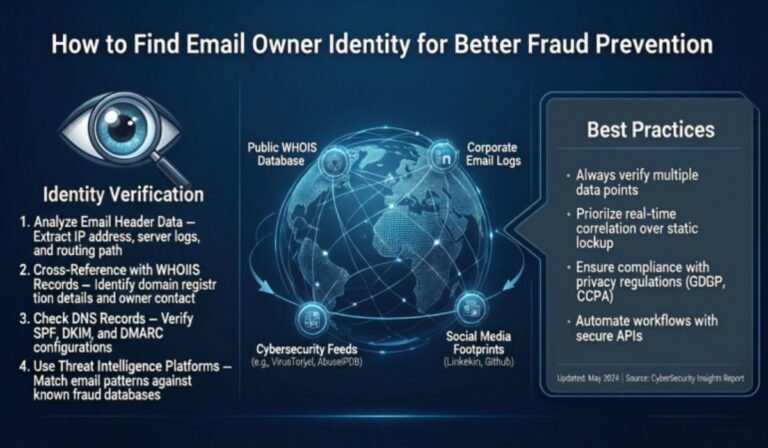
In an increasingly digital world, the threat of online fraud looms larger than ever, making it imperative for individuals and businesses to adopt proactive strategies for identifying fraudulent activities. One of the most effective ways to bolster fraud prevention efforts is to ascertain the identity of email owners. Understanding who is behind an email address can provide critical insights that help mitigate risks associated with phishing scams, identity theft, and other malicious activities. This article delves into the essential techniques and tools that can aid in uncovering the true identity of email account holders. By employing a combination of technological resources, investigative approaches, and best practices for data verification, you can enhance your ability to discern legitimate communications from potential threats. Whether you are a business seeking to protect sensitive customer information or an individual looking to safeguard personal data, being equipped with the right knowledge and strategies is crucial. Join us as we explore the methodologies for identifying email owners, empowering you to take informed steps towards a more secure online experience and significantly reducing the likelihood of falling victim to fraud.
Utilize Reverse Email Lookup Services Effectively
When seeking to find email owner identity, reverse email lookup services can be invaluable tools. These platforms allow users to input an email address and retrieve associated information such as the owner’s name, location, and social media profiles. To maximize their effectiveness, it is crucial to choose a reputable service that aggregates data from multiple sources, providing a comprehensive view of the individual’s digital footprint. Additionally, understanding the limitations of these services is essential; not all emails will yield results, especially if the owner has taken steps to maintain their privacy.
Moreover, users should approach the information obtained from these services with caution. While they can provide useful insights, there is always a possibility of encountering outdated or inaccurate data. To ensure informed decisions in contexts such as fraud prevention, it’s beneficial to cross-reference findings with other credible sources. By leveraging these services wisely, one can enhance their ability to find email owner identity and protect themselves against potential online threats.
Analyze Email Headers for Clues
email headers can be a vital resource in the effort to find email owner identity, as they contain detailed information about the origin and route of an email. Each header reveals metadata such as the sender’s IP address, the email servers it passed through, and timestamps, allowing users to trace the email’s journey and verify its authenticity. By examining this technical data, individuals can uncover inconsistencies that may indicate fraudulent activity or phishing attempts. Recognizing patterns in the header information can also assist in identifying potential red flags, such as emails that appear to come from reputable sources but contain discrepancies in the routing details.
In addition to aiding in the identification of the email owner, analyzing headers can enhance one’s overall understanding of email security. Understanding how headers work allows users to better recognize malicious emails and avoid falling victim to scams. This knowledge can be particularly beneficial in environments where sensitive information is exchanged, as it underscores the importance of due diligence in verifying the authenticity of communication. By utilizing header analysis as part of a broader strategy to find email owner identity, individuals and organizations can significantly reduce their risk of fraud.
Leverage Social Media for Verification
Utilizing social media platforms can significantly bolster efforts to find email owner identity by providing supplementary context and validation. When faced with a suspicious email, individuals can cross-reference the sender’s information with their social media profiles. This not only aids in confirming the authenticity of the email but also allows for a more comprehensive assessment of the sender’s credibility. By examining a user’s social media presence, one can gather insights into their professional background, recent activities, and network connections, which collectively contribute to a more informed judgment regarding the legitimacy of the communication.
Moreover, social media platforms often serve as a bridge for direct interaction with the email sender or their associates. Engaging with contacts through messaging or public posts can lead to prompt clarifications, enabling individuals to ascertain whether the email was genuinely sent by the claimed individual or organization. This multi-faceted approach to verification enhances overall fraud prevention strategies, ensuring that the likelihood of falling prey to deceptive practices is minimized.
In conclusion, understanding the identity of an email owner is a critical step in enhancing fraud prevention measures. By leveraging various tools and techniques, such as email verification services, social media research, and domain checks, individuals and organizations can significantly reduce the risk of falling victim to scams and phishing attacks. As cyber threats continue to evolve, staying proactive and informed about the identities behind the emails we receive is essential. By adopting these strategies, we can foster a safer digital environment and protect both personal and organizational assets from potential fraud.
