
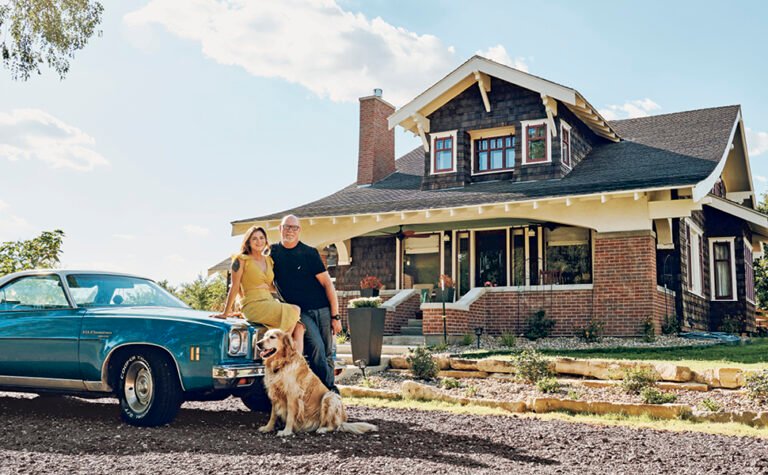
Old houses have a way of whispering possibilities. Beneath worn paint, outdated layouts, and creaking floors often lies craftsmanship that modern construction rarely replicates. For investors and homeowners alike, buying an aging property isn’t just a financial decision, it’s an act of imagination. The right renovation can turn a neglected structure into a showpiece that blends character with modern living.
The appeal of investing in older homes has grown steadily over the past decade. Buyers are no longer chasing only new construction. They’re seeking uniqueness, history, and the satisfaction of transformation. What looks like a fixer-upper to one person looks like opportunity to another.
And that opportunity can be extraordinary when approached with vision and strategy.
Seeing Value Where Others See Problems
The first step in investing in an older house is learning to read beyond appearances. Cracked tile, faded cabinetry, and outdated wiring don’t automatically mean failure. They mean the house hasn’t been updated and that’s where value hides.
Savvy investors understand that cosmetic flaws are often the cheapest problems to fix. Layout inefficiencies, aging finishes, and neglected systems create purchase leverage. A property that scares away casual buyers may offer the best margin for transformation.
This is why renovation professionals who specialize in Greenville home remodeling often say the same thing: the ugliest house on the block can become the most impressive one when its structure is sound and its redesign is thoughtful.
The key is separating repairable aging from structural risk. Not every old house is a good investment but many are far better than they appear.
Respecting the Bones of the Home
Successful renovations don’t erase a home’s identity; they enhance it. Old houses often feature solid framing, hardwood floors hidden under carpet, and architectural details that can’t be mass-produced today. Preserving these elements adds authenticity that buyers and homeowners deeply value.
Rather than stripping a house down to neutrality, thoughtful investors highlight its character. Exposed beams, restored woodwork, or reclaimed brick become focal points. These features anchor the renovation in history while the rest of the home evolves around modern comfort.
A great remodel doesn’t fight the building. It collaborates with it.
Modern Living in a Historic Shell
While charm is important, functionality drives long-term success. Older homes were built for lifestyles that no longer exist. Kitchens were smaller, bathrooms were fewer, and storage was an afterthought. Renovation bridges that gap.
Open layouts, improved lighting, updated electrical systems, and modern insulation dramatically change how an old house feels. The transformation isn’t just visual, it’s experiential. Spaces become brighter, quieter, and more efficient.
The goal is balance: preserve what makes the house special while upgrading what makes daily life easier.
When done well, the result feels timeless rather than trendy.
The Financial Logic of Transformation
Investing in older houses isn’t purely emotional. It’s grounded in numbers. Renovation allows investors to buy below market value and create equity through improvement. Unlike passive appreciation, this equity is built intentionally.
Strategic upgrades kitchens, bathrooms, energy systems, and structural repairs, yield the strongest return. Buyers respond to homes that feel turnkey but unique. They’re willing to pay premiums for properties that combine character with reliability.
This is especially true in neighborhoods where modern construction feels generic. A restored older home stands out in a competitive market.
However, financial success depends on discipline. Budgets must account for hidden issues, contingency funds must exist, and timelines must remain realistic. Romanticizing renovation without planning leads to overruns that erase profit.
Good investors dream creatively but calculate carefully.
Hidden Challenges That Require Expertise
Old houses carry mysteries. Behind walls may be outdated wiring, aging plumbing, or insulation that no longer meets modern standards. These issues aren’t deal breakers, they’re renovation checkpoints.
Professional evaluation before purchase is critical. Structural engineers, inspectors, and experienced contractors can identify risks that casual buyers miss. The difference between a profitable project and a financial burden often lies in what you don’t see during the first walkthrough.
Renovation expertise isn’t optional. It’s protective.
Homes built decades ago weren’t designed for today’s electrical loads or energy expectations. Upgrading systems ensures safety and long-term livability. Investors who cut corners here pay later in repairs or resale hesitation.
Transformation requires competence as much as creativity.
Emotional Rewards Beyond Profit
Not all returns are financial. Many investors and homeowners fall in love with the process itself. Turning a neglected structure into a vibrant home carries emotional weight. You’re not just flipping property, you’re restoring potential.
There’s satisfaction in walking through a finished renovation and remembering what it looked like before. Every restored floorboard and redesigned room becomes evidence of vision realized.
This emotional connection is part of why older homes attract passionate renovators. They offer narrative. Each transformation tells a story of renewal.
And stories sell not just in markets, but in memory.
Sustainability Through Restoration
Renovating old houses is also an environmental decision. Reusing existing structures reduces material waste and preserves resources. Demolition generates enormous landfill volume, while restoration recycles craftsmanship already embedded in the building.
Energy upgrades further amplify sustainability. Modern insulation, windows, and efficient systems reduce long-term consumption while preserving historic architecture.
Investing in old homes isn’t just profitable, it can be responsible.
It aligns economic value with environmental awareness.
Designing for the Future
The most successful renovations look forward, not backward. They anticipate how people will live in the next decade. Flexible spaces, multi-use rooms, and adaptable layouts ensure longevity.
An investor who renovates only for immediate resale risks creating a dated product. A renovation that considers evolving lifestyle trends, remote work, aging in place, energy efficiency maintains value longer.
Old houses thrive when prepared for modern futures.
Investing in older homes is part strategy, part artistry. It requires seeing beyond decay to possibility, respecting original craftsmanship while introducing modern performance. The best transformations preserve identity while rewriting function.
When done thoughtfully, an aging property becomes more than renovated, it becomes reborn. It stands as proof that vision and expertise can unlock value hidden in plain sight.
Old houses don’t need to be replaced. They need to be understood, restored, and reimagined. And in that process, they often become something better than new: homes with history, character, and renewed purpose.
