
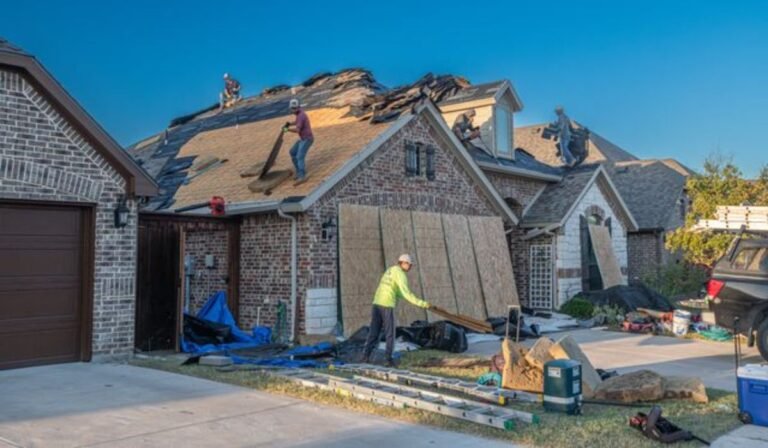
Home repairs are simply part of owning a home, and how you handle them can mean the difference between a smooth, satisfying experience and a drawn-out, expensive headache. Whether you’re dealing with a dripping faucet, buckled flooring, or a roof that’s seen better days, having a clear plan in place helps protect your investment and keeps your property’s value intact. A proactive, informed approach lets you stay on top of costs and gives you the best shot at getting repairs done right the first time. With the right mindset and a little preparation, even major home repairs can start to feel manageable rather than overwhelming.
Assess the Scope Before You Begin
Thoroughly assessing the problem before spending a single dollar is one of the smartest moves any homeowner can make. Diving into a repair without fully understanding what you’re dealing with often leads to incomplete fixes, surprise costs, and sometimes even additional damage that didn’t exist before you started. Take time to inspect the affected area carefully, document what you see, and look beyond the obvious for signs of deeper trouble. A water stain on the ceiling, for instance, might seem like a plumbing issue at first glance, but it could just as easily point to a roofing problem requiring a much more comprehensive solution. Diagnosing the root cause rather than just patching the surface symptom almost always saves significant time and money down the road. When the damage isn’t immediately clear, consulting a professional for a thorough evaluation is well worth the effort.
Prioritize Repairs Based on Safety and Structural Integrity
Not every home repair carries the same urgency, and knowing which ones demand immediate attention can protect your household in ways that go far beyond convenience. Safety concerns such as electrical faults, gas leaks, foundation cracks, and roof damage should always rise to the top of your list without question. Putting these repairs off can create serious hazards and often results in repair costs that grow exponentially the longer the issue goes unaddressed. Structural problems, in particular, tend to escalate quickly since water intrusion, shifting foundations, and deteriorating roofing materials can compromise multiple systems throughout your home at once. Once safety and structural concerns are resolved, you can approach cosmetic and comfort-related improvements with far greater confidence. Building a clear priority system also helps you allocate your budget more strategically throughout the year.
Set a Realistic Budget and Plan for the Unexpected
Accurate budgeting for home repairs takes research, honest expectations, and a financial buffer for the surprises that almost always seem to come up. Start by collecting multiple quotes from licensed contractors so you have a solid sense of what the market rate looks like for your specific repair. Keep in mind that initial estimates don’t always account for hidden damage uncovered once the work is underway, which is why most financial advisors suggest setting aside an additional 10 to 20 percent of your total budget as a contingency fund. Homeowners who skip this step often find themselves scrambling for extra cash midway through a project, leading to delays or workmanship that gets rushed to cut costs.
Choose the Right Professionals for the Job
Selecting qualified, reputable contractors is one of the most consequential decisions you’ll make throughout a home repair project. Always confirm that anyone you hire carries the proper licenses and insurance for your state or locality, since this shields you from liability if something goes wrong on your property. Reading reviews, requesting references, and verifying credentials through local licensing boards are all practical ways to distinguish trustworthy professionals from those who might cut corners when no one’s watching. For specialized work such as roofing replacement, bringing in experienced professionals who understand regional weather patterns and local building codes is especially critical. A qualified contractor won’t just complete the repair correctly; they’ll also guide you on material choices, available warranties, and ongoing maintenance so you get the most value out of every dollar spent. Never let the lowest bid be your deciding factor, as quality and reliability tend to come at a price that reflects their worth.
Document Everything and Follow Up on Warranties
Keeping detailed records throughout a home repair project offers protection and peace of mind that lasts long after the last nail is driven. Before any work begins, request an itemized written contract, and hold onto all invoices, permits, inspection reports, and warranty documents in a dedicated home file that’s easy to locate later. Many contractors and manufacturers offer warranties covering both labor and materials, but those guarantees only help you if you understand what they include and how to use them. If any issues surface shortly after a repair is completed, follow up with your contractor promptly, since reputable professionals will stand behind their work without hesitation. Thorough documentation also adds real, tangible value when it comes time to sell, as buyers and their agents frequently request records of completed repairs and improvements during the transaction process.
Conclusion
Getting the most out of your home repairs ultimately comes down to preparation, smart prioritization, and working with people who know what they’re doing. By diagnosing problems at their source, budgeting with built-in flexibility, and hiring qualified contractors, you put yourself in the best possible position to protect both your home’s structural integrity and its long-term value. Staying organized with your records and understanding your warranty coverage ensures that your investment keeps paying off well into the future. Approached thoughtfully and strategically, home repairs stop feeling like a burden and start looking like opportunities to genuinely strengthen the place you call home.
