
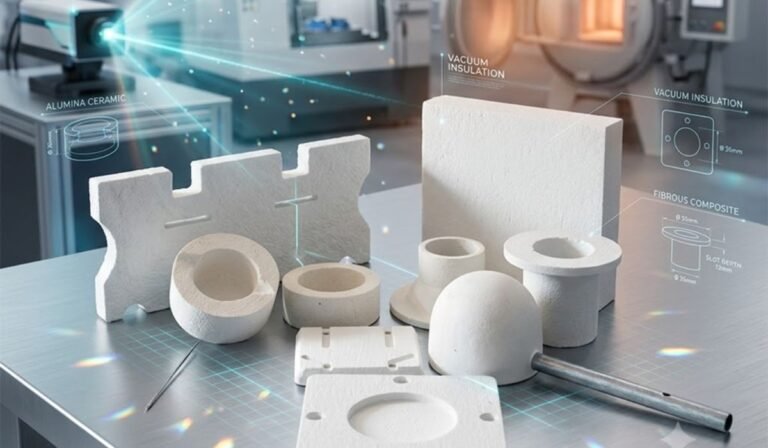
Industrial insulation keeps heat where it belongs. It protects workers, saves energy, and helps machines run longer. Many industries rely on it every day. Furnaces, kilns, pipes, and engines all need proper insulation to work safely. Without it, heat escapes, energy costs rise, and equipment wears out faster.
This article explains what industrial insulation is, why it matters, and which materials are commonly used. It also looks closely at one material that has become popular in many high heat applications.
What Is Industrial Insulation?
Industrial insulation is any material used to control heat flow in industrial settings. It can block heat from escaping a furnace or stop heat from reaching workers standing nearby. It also protects sensitive equipment from extreme temperatures. Good insulation reduces energy waste and improves safety on a job site.
Insulation materials come in many forms. Some are soft and flexible. Others are rigid boards or blocks. The right choice depends on the temperature range, the space available, and the type of equipment being insulated. If you want to learn more about how these materials are selected and tested, you can read more on the topic through trusted industry resources.
Why Insulation Materials Matter
Heat loss is expensive. When a furnace or oven loses heat through its walls, it needs more energy to stay at the right temperature. Over time, this adds up to significant cost. Good insulation slows this process and keeps energy bills lower.
Insulation also protects people. Hot surfaces can cause burns or start fires if left exposed. A proper insulation layer keeps outer surfaces cooler and safer to work near. This is especially important in factories where workers move around large machines every day.
Beyond safety and cost, insulation also protects the equipment itself. Sudden temperature changes can crack metal or damage sensitive parts. A stable thermal environment helps machines last longer and perform better.
Common Types of Insulation Materials
There are many insulation materials used across different industries. Each one has strengths and weaknesses depending on the job.
Mineral wool is one common choice. It is affordable and works well at moderate temperatures. It is often used in walls, pipes, and ductwork.
Fiberglass is another popular option. It is lightweight and easy to install. However, it does not handle very high temperatures as well as some other materials.
Calcium silicate is used in situations that need rigid support along with insulation. It holds its shape well and resists compression.
For very high temperature applications, ceramic based materials are often the best fit. They can handle extreme heat without breaking down quickly. This is where thin, flexible sheet materials become especially useful.
Ceramic Fiber Paper Explained
Ceramic Fiber Paper is a thin, lightweight insulation material made from ceramic fibers. It is flexible, strong, and able to handle very high temperatures. Many industries use it in furnaces, kilns, and other high heat equipment because it performs well where other materials fail.
This material is easy to cut and shape. It can be wrapped around pipes, placed between metal sheets, or used as a gasket in high heat joints. Its thin profile makes it useful in tight spaces where thicker insulation would not fit.
Ceramic Fiber Paper also resists chemical attack and does not absorb moisture easily. This makes it a reliable choice in harsh industrial environments. It holds up well over time, even with repeated heating and cooling cycles.
Because it is lightweight, it does not add much weight to equipment. This is helpful in applications where every extra pound matters, such as aerospace parts or specialized machinery. Its combination of strength, flexibility, and heat resistance makes it a practical solution for many high temperature challenges.
Choosing the Right Insulation for Your Needs
Picking the right insulation material takes some planning. Start by thinking about the temperature range your application will face. Some materials work fine at moderate heat but fail at extreme temperatures. Others are built specifically for the harshest conditions.
Next, consider the space you have available. Thin materials work best in tight areas. Thicker boards or blocks may be better where space is not a concern.
Cost also plays a role. Some materials are cheaper upfront but wear out faster. Others cost more initially but last longer and save money over time. It helps to think about the full lifespan of the material, not just the purchase price.
Finally, think about safety requirements. Some industries have strict rules about fire resistance or chemical exposure. Make sure any material you choose meets those standards.
Talking to a supplier or engineer can help you make the right choice. They can look at your specific application and recommend a material that fits your needs, budget, and safety requirements.
Conclusion
Industrial insulation plays a key role in keeping equipment safe, efficient, and long lasting. From mineral wool to fiberglass to ceramic based materials, there are many options to choose from. Each material has strengths suited to different situations.
For high temperature applications, thin and flexible options offer real advantages. They fit into tight spaces, resist damage, and hold up well over time. Choosing the right insulation takes some research, but the payoff is worth it. Lower energy costs, safer work environments, and longer equipment life all follow from a smart choice.
Whether you are insulating a small pipe or a large industrial furnace, understanding your options is the first step. With the right material in place, your equipment will run safer, cleaner, and more efficiently for years to come.
