
Choosing to undergo a cosmetic or reconstructive procedure requires careful research into the expected results, recovery times, and surgical techniques. Many individuals seeking aesthetic refinement or physical comfort evaluate specialised treatments like a fat transfer in Birmingham to restore volume or address asymmetrical features. At the same time, intimate health procedures have seen a significant rise in interest. Comparing different surgical pathways helps patients align their personal expectations with realistic clinical outcomes. Whether you want to restore youthful volume to the face or hands, or seek to address physical discomfort through targeted tissue reduction, understanding how these procedures operate is the first step toward a successful transformation.
The Science Behind Fat Transfer Procedures
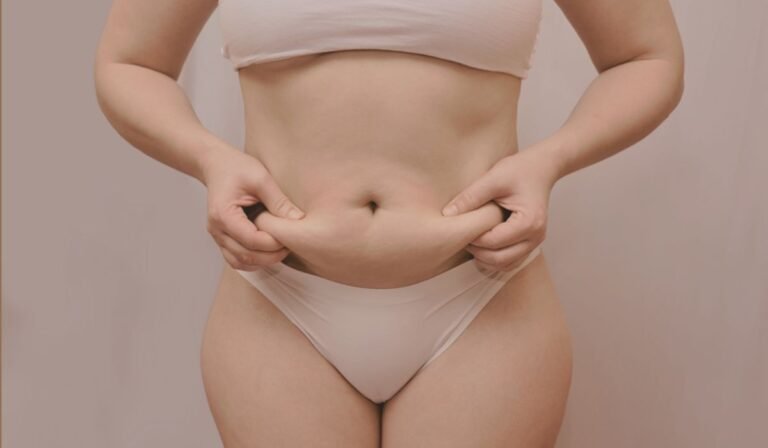
A fat transfer, also known as autologous fat grafting, uses a patient’s own tissue to restore volume to areas that have thinned due to ageing, genetics, or weight loss. The process begins with gentle liposuction, typically targeting areas with excess fat such as the abdomen, flanks, or thighs. Once harvested, the fat cells undergo a purification process in a centrifuge to separate healthy fat from fluids and damaged cells. Surgeons then meticulously reinject these purified cells into the target areas, which commonly include the face, hands, breasts, or buttocks.
This technique offers a dual benefit: slimming down a donor site while naturally contouring another part of the body. Because the procedure uses your own biological material, there is virtually zero risk of an allergic reaction or rejection. Patients opting for a fat transfer in Birmingham appreciate this natural alternative to synthetic dermal fillers. The final outcome depends heavily on the survival rate of the transferred fat cells. Generally, about sixty to eighty per cent of the injected fat establishes a permanent blood supply, meaning the restored volume remains stable for many years, fluctuating only with general weight changes.
An Overview of Labiaplasty Surgery

Unlike volume-adding treatments, some surgical interventions focus on tissue reduction to alleviate physical discomfort and improve symmetry. Labiaplasty involves reshaping or reducing the size of the labia minora or majora. Women often seek this procedure because enlarged or asymmetrical labia cause physical irritation during exercise, sexual intercourse, or while wearing tight clothing. Beyond physical relief, the surgery provides a significant boost in self-confidence for those self-conscious about their intimate appearance.
The surgery typically utilises one of two primary techniques: the trim method or the wedge method. The trim method removes the excess outer edges of the labia, while the wedge method removes a V-shaped piece of tissue, preserving the natural, wrinkled edge of the labia. Experienced surgeons performing labiaplasty surgery in Birmingham tailor the approach to the patient’s unique anatomy and aesthetic goals. The procedure takes about one to two hours under local anaesthetic with sedation or general anaesthetic. Because the incisions are closed with dissolvable sutures, there is no need for a stressful stitch-removal appointment, allowing patients to focus entirely on their initial healing phase.
Comparing Recovery Pathways and Healing Timelines
The recovery experiences for these two procedures differ significantly due to the nature of the surgical sites. For a fat transfer in Birmingham, patients must manage two distinct areas: the liposuction harvest site and the injection site. The harvest site usually experiences mild bruising, swelling, and a dull ache similar to a strenuous workout, requiring the use of a compression garment for several weeks. The injection site may look overfilled initially, but this swelling subsides within two weeks, revealing the soft, natural contour. Most patients return to light desk work within a few days.
In contrast, recovering from intimate tissue reduction requires strict adherence to hygiene protocols to prevent infection in a highly sensitive area. Following labiaplasty surgery in Birmingham, patients should plan for at least one week of rest. Swelling and mild discomfort are common, and surgeons recommend using cold packs and wearing loose clothing to minimise friction. While light walking is encouraged to promote circulation, strenuous exercise, swimming, and sexual intercourse must be avoided for six weeks. Comparing these timelines helps patients plan their time off work and arrange for necessary domestic support during the crucial first few days of healing.
Assessing Long-Term Outcomes and Satisfaction
When evaluating the success of these procedures, longevity and physical comfort are key metrics. The outcomes of tissue reduction are essentially permanent. Once the surgeon removes the excess tissue during labiaplasty surgery in Birmingham, the physical shape of the labia remains stable, barring extreme physiological changes like childbirth or significant weight fluctuations. Patient satisfaction rates for this surgery are exceptionally high, with most individuals reporting a complete resolution of physical discomfort and a marked improvement in their quality of life.
Conversely, the longevity of a fat transfer in Birmingham relies on the biological integration of the transferred cells. During the first three months, the body naturally absorbs a portion of the transferred fat. The remaining fat cells establish a permanent blood supply and behave exactly like the surrounding tissue. This means that if you gain or lose weight in the future, the treated area will expand or shrink accordingly. To achieve optimal results, some patients choose to undergo a secondary touch-up session to build up the desired volume gradually, ensuring a soft, natural, and highly personalised appearance that ages gracefully over time.
Combining Volume Restoration and Intimate Rejuvenation
While these procedures address different anatomical concerns, they are not mutually exclusive. In fact, some patients choose to combine them to achieve comprehensive aesthetic and functional rejuvenation. For instance, natural ageing can cause a loss of volume in the labia majora, leading to a deflated appearance and less physical protection for the delicate inner structures. By utilising fat harvested from the abdomen, a surgeon can perform a localised fat transfer to restore youthful fullness to the outer labia while simultaneously reshaping the inner labia.
This combined approach addresses both volume loss and structural asymmetry in a single surgical session. Opting for a combined treatment plan reduces overall recovery time, as patients only undergo anaesthesia once and heal from both procedures concurrently. Consulting with a highly qualified plastic surgeon is essential to determine if you are a suitable candidate for a combined procedure. A thorough assessment ensures that your surgical plan prioritises safety while delivering harmonious, natural-looking results that enhance your comfort, confidence, and overall well-being. During your initial consultation, the surgeon will evaluate your donor fat sites and discuss how these complementary techniques can be tailored to your specific anatomical goals.
Conclusion

Whether you are considering a fat transfer to restore youthful contours or seeking to improve physical comfort through intimate surgery, understanding the distinct outcomes of each procedure is vital. Both treatments offer high satisfaction rates and life-changing benefits when performed by a skilled specialist. Choosing the right path depends on your personal aesthetic goals, physical comfort, and willingness to follow specific recovery guidelines. By consulting with an experienced professional, you can make an informed decision that aligns with your lifestyle and delivers the lasting, natural results you desire.
