
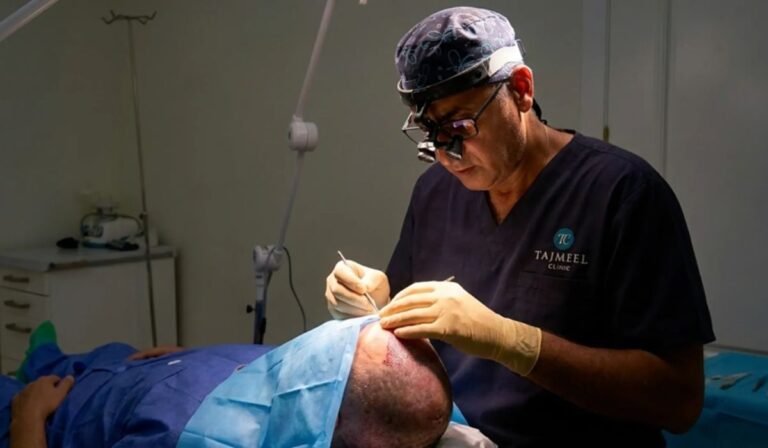
Male pattern baldness affects millions of men across Britain, often impacting self-confidence and personal style. For those seeking a permanent solution to thinning hair, a Southampton hair transplant offers a reliable, clinically proven route to restoring a natural hairline. Modern restorative procedures have advanced significantly, moving away from the highly visible plug techniques of the past to seamless, individual follicle grafts. Choosing to address hair loss is a personal journey, but understanding the available medical options helps demystify the process. This article looks at how modern hair restoration techniques work, what the recovery process entails, and how local clinics help patients regain their confidence through tailored treatment plans.
Understanding Male Pattern Baldness and Modern Solutions
Androgenetic alopecia, commonly known as male pattern baldness, is a genetic condition triggered by the hormone dihydrotestosterone (DHT). This hormone causes hair follicles on the crown and temple areas to shrink over time, eventually halting hair production entirely. While temporary solutions like topical solutions or oral medications can slow down this process, they require lifelong commitment and do not regrow hair in completely bald areas.
Why Permanent Restoration Works
Surgical hair restoration provides a permanent remedy because it relies on donor dominance. Hair follicles located at the back and sides of the scalp are genetically resistant to DHT. When specialists transplant these resilient follicles to thinning areas, they retain their genetic resistance and continue to grow naturally for a lifetime.
Choosing Local Expertise
Opting for local clinical expertise provides access to experienced surgeons who understand the nuances of male hair patterns, ensuring the angle, density, and direction of the transplanted hair match the patient’s natural growth. This local approach minimises travel stress and allows for more personalised aftercare, which is vital for achieving the best possible aesthetic outcome. Patients benefit from having face-to-face consultations prior to the procedure, allowing the surgeon to design a bespoke hairline that complements their natural facial structure and age.
The Science Behind Follicular Unit Extraction (FUE)
Follicular Unit Extraction, or FUE, represents the gold standard in modern hair restoration. Unlike older methods that harvested a strip of scalp and left a linear scar, FUE involves extracting individual follicular units directly from the donor area using a specialised micro-punch tool.
The Extraction Process
Surgeons use precision instruments, typically measuring less than one millimetre in diameter, to isolate and remove each hair graft. This microscopic approach leaves tiny, dot-like scars that are virtually invisible to the naked eye, even with short haircuts. Because the extraction is spread evenly across the donor zone, the back of the head retains a natural, full appearance.
Implantation and Density
Once harvested, the clinical team prepares the grafts under high-powered microscopes to ensure their viability. The surgeon then creates tiny recipient sites in the balding areas, carefully controlling the angle and depth of each incision. Placing the grafts requires immense precision to mimic natural hair patterns. This meticulous process ensures that a Southampton hair transplant delivers a dense, undetectable hairline that blends seamlessly with existing hair. The procedure is performed under local anaesthetic, making it a comfortable experience where patients can read, watch television, or simply relax during the session.
Expanding Restoration Options: Facial Hair Procedures
While scalp hair restoration remains the most common request, facial hair enhancement has surged in popularity. Many men experience patchy beard growth or facial scarring that prevents them from growing a full, even beard. Fortunately, the same advanced FUE techniques used for scalp procedures can be applied to the face.
The Rise of Facial Hair Restoration

A UK beard transplant utilises donor hair from the back of the scalp to build density in the beard, moustache, or sideburn areas. This procedure requires an artistic eye, as facial hair grows at flatter angles compared to scalp hair. Surgeons must carefully align each graft to match the natural direction of facial hair growth, ensuring the final result looks entirely authentic.
Customising Your Look
Patients can choose to fill in small patches, define their cheeklines, or build a full beard from scratch. The transplanted hairs will shed a few weeks after the procedure, which is a normal part of the hair growth cycle. After this phase, the follicles enter a new growth cycle, producing strong, natural beard hairs that patients can shave, trim, and style just like normal facial hair. Seeking a facial hair restoration procedure allows men to achieve the facial symmetry and masculine definition they desire with minimal downtime.
What to Expect During Your Recovery Journey
Understanding the recovery timeline is crucial for managing expectations and securing the best results. The initial healing phase after a surgical restoration is relatively short, with most patients returning to light daily activities within a few days.
The First Fortnight
During the first week, tiny scabs form around each graft. It is essential to avoid touching or scratching these areas to prevent displacing the newly implanted follicles. Clinics provide specialised saline sprays to keep the scalp hydrated, along with gentle washing protocols to cleanse the area safely. Sleeping with the head elevated on extra pillows during the first few nights helps reduce swelling.
Long-Term Growth Timeline
Around three to four weeks post-surgery, patients experience a phase called shock shedding, where the transplanted hairs fall out. This is completely normal; the root remains healthy and active beneath the skin. New hair growth typically begins around month three, with noticeable cosmetic improvements visible by month six. The final, mature results of a scalp procedure or a UK beard transplant are fully realised between twelve and eighteen months. Adhering strictly to the aftercare guidelines provided by your clinical team ensures that the hair follicles survive and thrive, protecting your investment for years to come.
Final Thoughts

Addressing hair loss is a transformative step that positively influences both personal and professional confidence. Whether you choose a Southampton hair transplant to restore a receding hairline or opt for a UK beard transplant to achieve a fuller beard, modern clinical techniques offer safe, permanent, and natural-looking results. By selecting a reputable clinic with experienced surgeons, you ensure a customised treatment plan tailored to your unique facial structure and hair characteristics. The journey from initial consultation to full hair growth requires patience, but the long-term boost in self-esteem makes it a highly rewarding investment. With proper research and professional guidance, you can confidently take control of your appearance and enjoy lasting results.
