
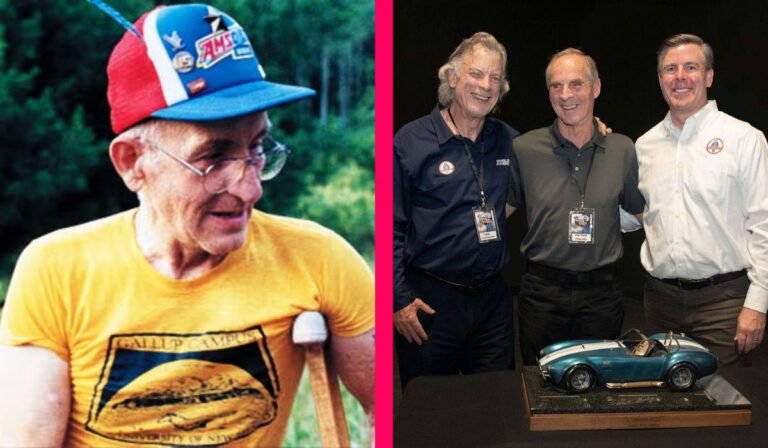
Ken Miles is one of the most fascinating and respected figures in motorsport history. Known as both a highly skilled racing driver and a brilliant automotive engineer, he played a central role in one of the most iconic chapters in endurance racing. His work with Ford during the legendary battle against Ferrari at the 24 Hours of Le Mans helped shape modern racing technology and strategy. Yet, despite his achievements, his name was not always given the recognition it deserved during his lifetime. This article explores the full journey of Ken Miles, from his early life in England to his engineering breakthroughs, racing victories, and lasting legacy in motorsport history.
Quick Bio Information
Full Name: Kenneth Henry Jarvis Miles
Known As: Ken Miles
Birth Date: 1 November 1918
Birth Place: Sutton Coldfield, England
Death Date: 17 August 1966
Death Place: Riverside International Raceway, California, USA
Nationality: British
Occupation: Racing Driver And Automotive Engineer
Military Service: British Army, REME
Military Rank: Staff Sergeant
Major Teams: Shelby American, Ford Racing Program
Famous For: Ford GT40 Development
Key Partner: Carroll Shelby
Major Wins: Daytona 24 Hours, Sebring 12 Hours
Le Mans Result: Second Place (1966)
Notable Car: Ford GT40 Mk II
Resting Place: Hollywood Forever Cemetery
Early Life Of Ken Miles
Kenneth Henry Jarvis Miles was born on 1 November 1918 in Sutton Coldfield, England. From a young age, he showed strong interest in mechanics and machines. After leaving school early, he began working at Wolseley Motors as an apprentice. This early experience gave him hands-on knowledge of vehicle engineering and helped build the foundation of his future career. His curiosity and technical mindset set him apart from many others in his generation, shaping him into both a problem solver and a future innovator in motorsport.
Military Service And Engineering Growth
During World War II, Ken Miles served in the British Army, where he worked with the Royal Electrical and Mechanical Engineers. His role involved maintaining and repairing military vehicles, including tanks and armored machines. He eventually reached the rank of staff sergeant. This period played a major role in sharpening his technical discipline and mechanical understanding. The demanding conditions of wartime engineering taught him precision, speed, and reliability, qualities that later defined his racing and development work.
Early Racing Passion In Post War Britain
After the war ended, Ken Miles began racing in Britain. He competed in various club-level motorsport events using cars such as Bugattis, Alfa Romeos, and other sports vehicles. His natural driving ability quickly became clear. Unlike many drivers, Miles had a deep understanding of how mechanical changes affected performance. This made him not only a competitor but also a technical thinker who could improve the cars he drove.
Move To America And New Opportunities
In 1952, Ken Miles moved to Los Angeles, California. This move became a turning point in his career. He began working as a service manager for MG distributor Gough Industries while continuing to race in Sports Car Club of America events. The American racing scene gave him more freedom to experiment with car design and engineering. It also allowed him to build a reputation as one of the most talented independent racers and builders on the West Coast.
Engineering Innovation And Custom Race Cars
Ken Miles was not just a driver but also a creative engineer who built his own racing machines. One of his most famous creations was the “Flying Shingle,” a lightweight MG-based race car designed for performance and agility. He also worked on modified designs that combined different engines and chassis to maximize speed and handling. These innovations showed his belief that success in racing came from engineering excellence as much as driving skill.
Dominance In SCCA Racing
During the 1950s, Ken Miles became a dominant force in SCCA racing. He achieved an impressive winning streak and consistently outperformed experienced drivers. His ability to fine-tune his cars gave him a clear advantage on the track. By the mid 1950s, he was already recognized as one of the top racing talents on the West Coast, known for both his speed and technical precision.
Partnership With Carroll Shelby
A major milestone in Ken Miles’ career was his collaboration with Carroll Shelby, the legendary American racing driver and automotive designer. Together, they became a powerful team in motorsport development. Miles served as a chief test driver for Shelby American, where he helped refine high-performance cars such as the Shelby Cobra. His feedback and engineering insight played a key role in turning experimental vehicles into championship-winning machines.
Development Of The Ford GT40
Ken Miles’ most important contribution came through his involvement in the Ford GT40 project. Ford had entered endurance racing to challenge Ferrari’s dominance at Le Mans, and Miles was at the center of this mission. He worked closely on improving aerodynamics, handling, and reliability. His technical input helped transform the GT40 into a competitive endurance racing machine capable of long-distance performance at extreme speeds.
Major Racing Victories And Achievements
Ken Miles achieved significant success in major endurance races. He won the 24 Hours of Daytona and the 12 Hours of Sebring in 1966, both in Ford GT40 cars. He also finished strongly in earlier events, often sharing driving duties with top racers such as Bruce McLaren and Denny Hulme. These victories confirmed his status as one of the best endurance drivers of his era and highlighted his ability to perform under pressure in long and demanding races.
The 1966 Le Mans Controversy
One of the most famous moments in Ken Miles’ career took place at the 1966 24 Hours of Le Mans. Miles was leading the race in the Ford GT40 when Ford management instructed their drivers to finish together in a staged photo finish. Although Miles slowed down to comply, the win was awarded to Bruce McLaren due to race distance rules. This moment became one of the most debated decisions in motorsport history and is still discussed today as a controversial and emotional turning point in his career.
The Fatal Crash At Riverside
In August 1966, Ken Miles was testing the Ford J-Car at Riverside International Raceway in California. During high-speed testing, the car suddenly became unstable and crashed violently. The vehicle broke apart, and Miles was killed instantly. He was only 47 years old. His death shocked the racing world and marked a tragic end to one of the most promising engineering careers in motorsport history.
Impact On Ford And Racing Safety
Following the crash, Ford made major changes to its prototype racing program. The unstable design of the J-Car led engineers to redesign the vehicle’s aerodynamics and safety structure. This eventually contributed to the development of the Ford Mk IV, which went on to win major endurance races. Miles’ testing work indirectly helped improve racing safety and performance standards in the years that followed.
Legacy In Motorsport History
Ken Miles is now remembered as one of the most important development drivers in racing history. His engineering mindset and driving skill helped Ford achieve success at Le Mans and establish itself as a serious competitor in endurance racing. His contributions are recognized by motorsport organizations, including his induction into the Motorsports Hall of Fame of America. His legacy continues to influence racing engineering and car development today.
Ken Miles In Popular Culture
Ken Miles gained renewed global attention through the 2019 film Ford v Ferrari, where he was portrayed by Christian Bale. The movie introduced his story to a wider audience and highlighted his contributions to Ford’s racing success. It also emphasized his personality, dedication, and the challenges he faced within the corporate racing world. The film helped preserve his legacy for new generations of motorsport fans.
Final Thoughts
Ken Miles’ story is one of talent, innovation, and dedication. He was not only a racing driver but also a brilliant engineer who understood the science behind speed. His work on the Ford GT40 helped change the course of motorsport history, and his influence continues to be felt in racing today. Although his life ended tragically, his achievements remain a powerful reminder of how passion and skill can shape an entire industry.
FAQs About Ken Miles
Who Was Ken Miles?
Ken Miles Was A British Racing Driver And Engineer Known For His Work With Ford During The Development Of The GT40 And The Le Mans Racing Program.
Why Is Ken Miles Famous?
He Is Famous For His Role In Helping Ford Compete Against Ferrari At Le Mans And For His Engineering Contributions To The Ford GT40.
What Cars Did Ken Miles Help Develop?
He Helped Develop The Shelby Cobra And The Ford GT40, Both Of Which Became Iconic Racing Cars.
Did Ken Miles Win Le Mans In 1966?
No, He Finished Second In The 1966 Le Mans Race Due To A Controversial Photo Finish Decision.
How Did Ken Miles Die?
He Died During High Speed Testing Of The Ford J-Car At Riverside International Raceway In 1966.
What Is Ken Miles’ Legacy In Racing?
His Legacy Includes Major Contributions To Endurance Racing, Vehicle Engineering, And Modern Motorsport Development.
Was Ken Miles Portrayed In A Movie?
Yes, He Was Portrayed By Christian Bale In The 2019 Film Ford v Ferrari.
Why Is Ken Miles Important In Motorsport History?
He Is Important Because He Combined Engineering Skill With Driving Talent, Helping Revolutionize Endurance Racing Technology.
Recommended For You: Nadia Jocelyn: Rising TikTok Star Sharing Her Lifestyle And Viral Moments
