
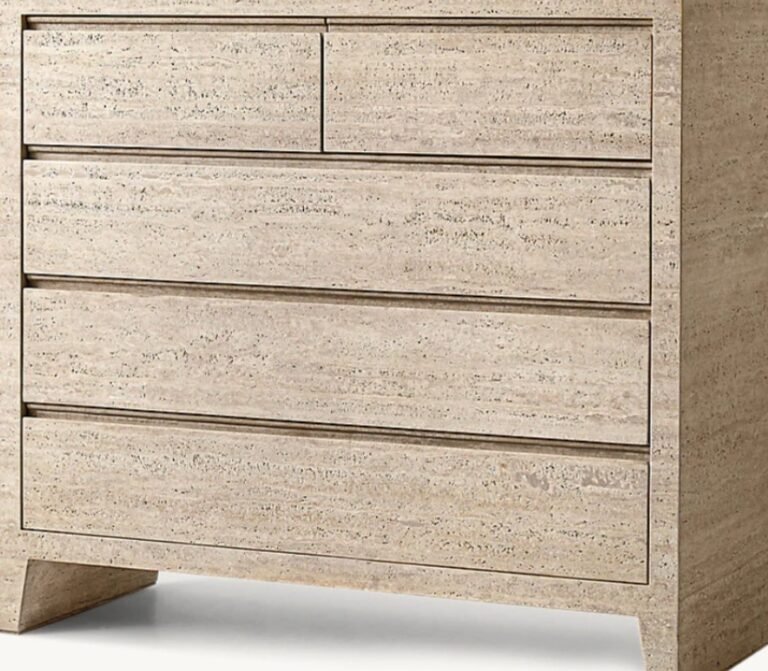
As homeowners and designers seek more durable and visually distinctive interiors, custom cabinets have become an essential part of modern design. While traditional wood cabinetry still dominates the market, natural stone solutions—especially marble cabinets and travertine cabinets—are gaining popularity for their long-term value and unique aesthetics.
However, many buyers still have practical concerns:
Are stone cabinets too heavy? Are they difficult to maintain? Which material is better for daily use?
This guide provides clear, experience-based answers to help you make the right decision.
What Makes Custom Cabinets Different?
Unlike mass-produced cabinetry, custom cabinets are designed around your specific space and lifestyle. This means:
- Exact sizing for better space utilization
- Flexible internal layouts (drawers, shelving, hidden storage)
- Freedom to choose materials based on performance and style
- Better integration with sinks, countertops, and architectural elements
For bathrooms and kitchens especially, customization ensures both functionality and visual balance—something standard cabinets often fail to achieve.
Understanding Marble Cabinets: Pros, Cons, and Real Use Cases
A marble cabinet uses natural marble as a primary surface or structural material. It is commonly seen in high-end bathrooms and statement kitchen pieces.
Why People Choose Marble Cabinets
- High-End Appearance
Marble’s natural veining creates a refined, luxurious look that artificial materials cannot replicate. - Durability in Controlled Use
When sealed properly, marble performs well in bathrooms and low-impact areas. - Heat Resistance
Suitable for areas near sinks and occasional heat exposure.
Common Concerns
- Staining: Marble is porous, so sealing is essential
- Scratches: Softer than granite, requires mindful use
- Cost: Higher initial investment
Best Use Scenarios
Marble cabinets work best in:
- Bathroom vanity units
- Decorative storage pieces
- Kitchen islands (rather than full cabinetry systems)
Travertine Cabinets: A More Subtle, Natural Alternative
A travertine cabinet offers a softer and more organic aesthetic compared to marble.
Key Advantages
- Warm, Neutral Tones
Ideal for calming, spa-like interiors. - Textured Surface
Natural pores add depth without overwhelming the space. - Design Flexibility
Works well in modern minimalist and Mediterranean-inspired interiors.
What to Know Before Choosing
- Requires pore filling and sealing
- Slightly less dense than marble
- More understated visually
Best Use Scenarios
Travertine cabinets are especially effective in:
- Bathroom vanities
- Full wall cabinetry in minimalist spaces
- Large surfaces where subtlety is preferred
Marble vs Travertine Cabinets: How to Choose
Choosing between marble cabinets and travertine cabinets depends on your priorities:
- Choose marble if you want a bold, statement piece
- Choose travertine if you prefer a soft, cohesive look
From a usability perspective, both materials are practical when properly treated and installed.
Are Stone Cabinets Practical for Daily Use?
Yes—modern construction methods make them highly usable.
Today’s custom cabinets using stone are typically built with:
- Internal support structures (metal or plywood)
- Thin stone panels to reduce weight
- Precision fabrication for stability
This ensures that the cabinet is not only visually appealing but also structurally reliable.
Where Stone Cabinets Work Best
While full stone kitchens are less common due to weight and cost, certain applications stand out:
1. Bathroom Vanity Cabinets
This is the most practical and popular use.
- Resistant to moisture
- Easy to clean when sealed
- Combines sink and storage seamlessly
If you want to see how these are applied in real products, you can explore examples like this collection of integrated stone vanity cabinets:
https://fanstonefurniture.com/collections/sink-vanity-cabinet
2. Kitchen Islands
Adds a sculptural focal point.
3. Accent Cabinets
Used in living rooms or entry spaces.
Cost vs Value: Is It Worth It?
Stone cabinets are more expensive than standard wood options, but they offer:
- Longer lifespan
- Unique appearance (no repetition)
- Higher perceived value in real estate
In many cases, using stone selectively (e.g., vanity or island) delivers the best balance between cost and impact.
Maintenance: What You Actually Need to Do
Maintaining marble or travertine cabinets is straightforward:
- Seal the surface periodically
- Clean with mild, non-acidic products
- Avoid abrasive tools
- Wipe spills promptly
With basic care, these cabinets can last for decades.
Final Thoughts
Custom cabinets made from marble or travertine are not just about aesthetics—they are a long-term design decision.
They offer a combination of:
- Functional durability
- Natural beauty
- Unique identity
If you prioritize longevity and design impact, both marble cabinets and travertine cabinets are strong choices—each suited to different styles and preferences.
