
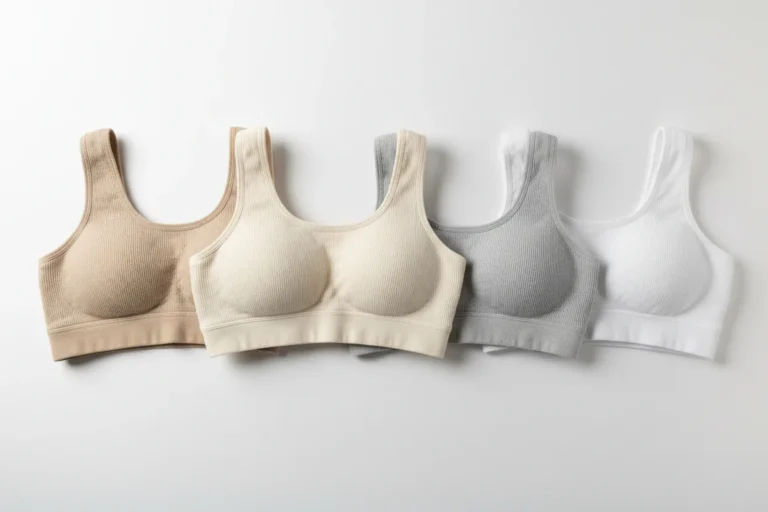
As consumers become more mindful about the ingredients in skincare, food, and household products, many are also paying closer attention to what touches their skin every day. Clothing—especially undergarments—spends hours in direct contact with the body, which is why more women are exploring healthier fabric choices when it comes to bras. Non-toxic bras are gaining popularity because they prioritize breathable materials, safer fabric processing, and overall comfort. Understanding what makes a bra “non-toxic” can help shoppers make more informed decisions about what they wear daily.
What Makes a Bra “Non-Toxic”?
A non-toxic bra generally refers to a bra made with materials and production methods that avoid harsh chemicals, synthetic irritants, or unnecessary fabric treatments. Since bras sit directly against sensitive areas of the skin, many women prefer options made with natural or responsibly sourced fibers.
One of the most common materials associated with non-toxic bras is cotton—particularly organic cotton. Organic cotton is grown without synthetic pesticides and processed with fewer harsh chemicals compared to conventional cotton. Choosing an organic cotton bra can help reduce exposure to potential irritants while still offering softness and durability.
In addition to fabric selection, the overall construction of a bra also affects comfort. Non-toxic bras often feature breathable fabrics, smooth seams, and flexible bands designed to minimize friction against the skin. These design choices help improve comfort throughout the day, especially for individuals who wear bras for long periods.
Proper sizing is another important part of overall comfort. Even the softest fabric can feel uncomfortable if the fit is incorrect. Using a reliable bra size calculator can help ensure your band and cup size are accurate. When a bra fits properly, it distributes weight evenly across the band and straps, reducing pressure points and improving everyday wearability.
As awareness around fabric safety grows, many lingerie brands are focusing more on thoughtful material sourcing and better-fitting designs that support comfort without unnecessary chemicals or treatments.
Why Breathable Fabrics Matter for Skin Health
Breathable fabrics play a major role in maintaining skin comfort. Because bras are worn for extended periods, materials that trap heat or moisture can sometimes contribute to irritation or discomfort.
Natural fibers like cotton allow air to circulate more easily around the body. This airflow helps regulate body temperature and prevents excess moisture buildup, which is especially helpful during warmer weather or long days of wear.
For people with sensitive skin, breathable fabrics can reduce the likelihood of redness, itching, or chafing. Areas like the underbust and bra band are particularly prone to friction, so choosing materials that allow the skin to breathe can make a noticeable difference in overall comfort.
Soft, flexible fabrics also improve how a bra feels during daily movement. Instead of rigid or restrictive materials, breathable designs move more naturally with the body while still providing support.
When exploring different styles, browsing a variety of bra options can help you identify fabrics and designs that match your personal comfort preferences. Many modern bras now incorporate breathable materials that balance support, softness, and durability.
As more consumers prioritize skin-friendly fabrics and thoughtful design, non-toxic bras continue to gain popularity. By focusing on breathable materials, proper fit, and high-quality construction, women can find bras that support both comfort and everyday wellness.
