
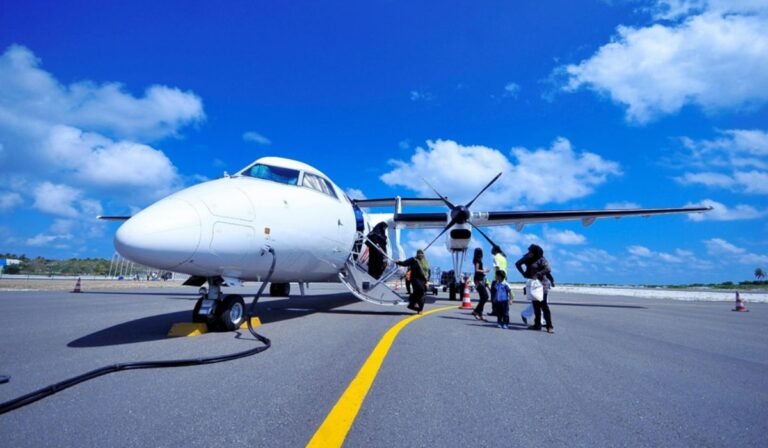
Aircraft operate in demanding environments, exposed daily to extreme temperatures, moisture, ultraviolet radiation, and airborne contaminants. While regular mechanical maintenance ensures airworthiness, aircraft detailing focuses on preserving the aircraft’s appearance, surface integrity, and long-term value. This specialized practice goes far beyond simple cleaning, addressing both cosmetic and protective needs that directly impact performance, safety, and owner investment. Understanding what aircraft detailing involves helps operators appreciate why it is an essential part of responsible aircraft ownership and management.
Understanding the Scope of Aircraft Detailing
Aircraft detailing is a comprehensive process that encompasses both exterior and interior care. Externally, it involves cleaning, polishing, and protecting surfaces such as the fuselage, wings, landing gear, and windows. These steps remove contaminants like dirt, oil residue, exhaust soot, and insect remains that can degrade materials over time.
Interior detailing targets cabins, cockpits, seating, and storage areas. This includes deep cleaning upholstery, conditioning leather, disinfecting high-touch surfaces, and addressing odors or stains. Proper detailing uses aviation-approved products and techniques to ensure sensitive materials are not damaged, maintaining both aesthetic quality and functional reliability.
Protecting Aircraft Surfaces From Environmental Damage
Environmental exposure presents a constant challenge for aircraft. Sunlight can oxidize paint, moisture can promote corrosion, and airborne pollutants can adhere to surfaces, compromising protective coatings. Aircraft detailing helps mitigate these risks by applying specialized waxes, sealants, and corrosion inhibitors designed for aviation use.
Polishing removes oxidation and surface imperfections, restoring smoothness that reduces drag and improves airflow efficiency. Protective coatings then act as a barrier against UV rays, moisture, and chemical exposure. Over time, these measures help maintain structural integrity and reduce the need for costly repainting or repairs.
Enhancing Safety and Operational Performance
Although detailing is often viewed as cosmetic, it plays a role in operational safety. Clean surfaces allow for clearer inspections, making it easier to spot cracks, leaks, or abnormal wear during routine checks. Clear, well-maintained windows and windshields also improve visibility for pilots, particularly during critical phases of flight.
Detailing landing gear, lights, and control surfaces ensures these components function without obstruction. Dirt or residue buildup can interfere with sensors or moving parts, leading to potential performance issues. Following a structured aircraft detailing guide helps ensure that cleaning procedures support safety without introducing risks through improper products or methods.
Preserving Asset Value and Professional Appearance
Aircraft are significant financial assets, and their condition plays a major role in resale and charter value. Well-detailed aircraft tend to retain value more effectively because they demonstrate consistent care and maintenance. Prospective buyers and lessees often view exterior appearance and cabin condition as indicators of overall aircraft stewardship.
For business operators, a clean aircraft also reinforces professionalism and brand image. Whether transporting executives or clients, a pristine cabin and polished exterior communicate attention to detail and reliability. Detailing ensures the aircraft not only performs well but also represents its owner positively.
Establishing a Consistent Detailing Schedule
The benefits of aircraft detailing are best realized through consistency. Developing a regular detailing schedule based on aircraft usage, environment, and storage conditions helps prevent buildup and deterioration. Aircraft that operate in coastal regions, high-humidity areas, or extreme heat may require more frequent detailing than those stored in controlled environments.
Professional detailing providers tailor services to specific aircraft types, materials, and operational demands. This approach ensures that maintenance efforts remain proactive rather than reactive. Over time, consistent detailing reduces long-term maintenance costs and extends the life of finishes and interior components.
Conclusion
Aircraft detailing is a vital practice that supports protection, safety, and long-term value. By addressing environmental exposure, enhancing inspection clarity, and preserving both interior and exterior surfaces, detailing complements mechanical maintenance in meaningful ways. Far from being a purely aesthetic service, it plays an important role in responsible aircraft ownership. When approached consistently and professionally, aircraft detailing helps ensure that aircraft remain reliable, efficient, and worthy of the investment they represent.
