
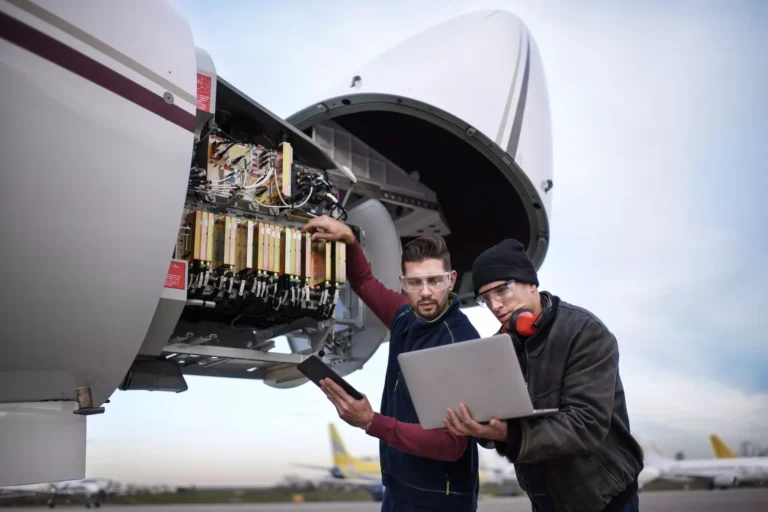
Buying your first aircraft? It’s a huge milestone, one that transforms you from someone who rents to someone who truly owns. But here’s the thing: along with all that freedom and flexibility comes a level of responsibility that catches many new owners off guard. Aircraft maintenance isn’t just another item on your to-do list; it’s the foundation of safe flying, staying compliant with regulations, and keeping your investment value intact for years to come. The gap between a well-cared-for aircraft and one that’s been neglected goes way beyond looks.
Understanding Annual Inspections and Required Maintenance
Here’s something every aircraft owner operating under Part 91 needs to know: your plane must get an annual inspection from a certified Airframe and Powerplant mechanic who holds an Inspection Authorization. This isn’t some quick once, over, either. It’s a thorough examination that checks your aircraft’s airworthiness against both manufacturer specs and FAA standards, covering everything from the structural bones to the avionics that keep you connected. The inspection typically eats up several days, and it involves taking apart various components to peek into those hidden spots where problems love to develop without anyone noticing during normal operations.
Developing a Preventive Maintenance Strategy
Smart aircraft owners don’t wait for things to break, they catch problems early. Proactive maintenance slashes the chances of unexpected failures, emergency repairs, and that domino effect where one small issue spirals into a major headache. The best approach? Build inspection routines that go beyond what regulations require. A simple walk, around before each flight can reveal fluid leaks, worn tires, dinged control surfaces, and other visible concerns that need immediate attention.
Managing Corrosion and Environmental Protection
Corrosion sneaks up on you. It’s one of the most dangerous threats to your aircraft’s structural integrity, quietly eating away at metal components through chemical reactions that moisture, salt, and environmental nasties accelerate. If you’re based near the coast, you’re fighting an uphill battle, salt-laden air goes after aluminum alloys, steel parts, and magnesium components with relentless aggression. But don’t get comfortable if you’re inland, either. Condensation forms inside wings, fuselages, and control surfaces, creating hidden corrosion that progresses silently until significant damage shows up during an inspection. You need constant vigilance here: regular checks of vulnerable spots, maintaining proper drainage so water doesn’t pool anywhere, and applying protective treatments to exposed surfaces. When protecting aircraft from environmental degradation, professionals who need to maintain structural integrity in harsh conditions rely on trusted corrosion technologies that provide long-lasting barriers against moisture and chemical attack. Your best defense? Get your aircraft into a hangar. Nothing else comes close to protecting paint, interior materials, and structural components from sun damage, rain, and wild temperature swings. Can’t swing a hangar? High-quality covers offer protection. Though you’ve got to install them correctly, poor installation can trap moisture and make corrosion worse. Investing prevention now beats dealing with extensive structural damage years down the road.
Engine Maintenance and Monitoring Best Practices
Your engine? That’s your most expensive single component, and it demands meticulous care and constant monitoring if you want to squeeze every hour out of its potential service life. Aircraft engines work hard, really hard. They endure brutal temperatures, high-speed rotation, and serious mechanical stress that gradually wears down components despite impressive engineering. Oil analysis programs give you a window into your engine’s health by catching microscopic metal particles that indicate abnormal wear patterns long before anything catastrophic happens.
Compliance Documentation and Record Keeping
Keeping impeccable maintenance records isn’t just bureaucratic busy work, it serves multiple critical purposes. We’re talking about regulatory compliance, proof of airworthiness, and preserving your aircraft’s value when you eventually decide to sell. Federal regulations spell out exactly what needs to be documented: descriptions of work completed, dates, mechanic signatures, and certificate numbers of the people who did the work. Organize your records chronologically and by system so you can quickly find answers about component history, previous issues, or compliance with service bulletins and airworthiness directives.
Budgeting for Maintenance and Unexpected Repairs
Financial planning for aircraft maintenance means understanding both the predictable costs and building reserves for those inevitable surprises that come with operating complex machinery in demanding environments. Set up a dedicated maintenance fund, put away a fixed amount per flight hour to create a financial cushion that absorbs unexpected expenses without wreaking havoc on your personal finances or forcing tough calls about whether you can keep flying. Annual inspections are predictable expenses that vary based on how complex your aircraft is, but here’s the catch: costs for fixing discovered issues can multiply that baseline inspection fee several times over when significant problems surface. Engine overhaul reserves deserve special attention since these massive expenses, approaching or exceeding six figures for many aircraft, occur with mathematical certainty as engines near their manufacturer-specified time between overhaul limits.
Conclusion
Aircraft ownership delivers freedom and satisfaction that’s hard to match, but success means embracing maintenance responsibilities with genuine commitment. Understanding what annual inspections involve, implementing smart preventive strategies, staying on top of corrosion threats, monitoring your engine’s health carefully, keeping meticulous records, and budgeting adequately, these separate owners who thrive long-term from those who end up frustrated and financially strained. As you learn more about your aircraft systems and maintenance needs, you’ll transform from someone who just operates the machine into a true steward who ensures it stays safe, reliable, and valuable throughout your ownership. Starting your journey with realistic expectations about maintenance commitments, costs, and time requirements prevents disappointment while fostering the disciplined approach that responsible aircraft operation demands.
