
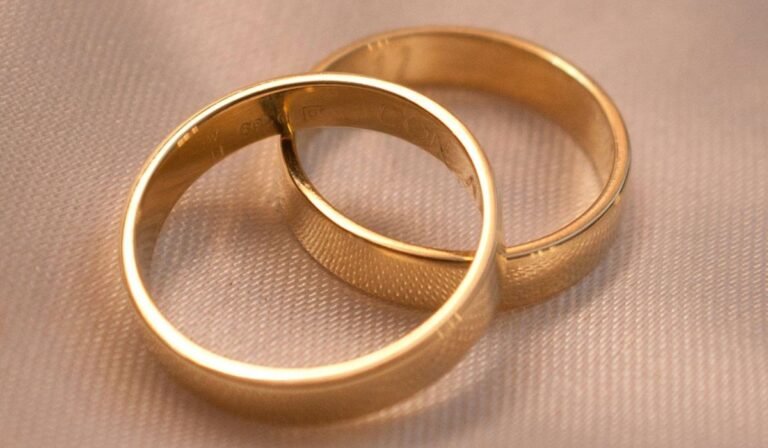
Stacking wedding and engagement rings has become a popular way to express personal style while honoring tradition. Rather than wearing a single band, many people choose to layer multiple rings, including engagement rings, wedding bands, anniversary bands, and decorative accent rings, to create a look that is both meaningful and visually engaging. For a detailed overview of different stacking approaches, a helpful resource is how to stack wedding rings, which covers combinations, proportions, and style considerations.
Stacking rings goes beyond aesthetics; comfort, fit, and daily wearability are important factors that affect how enjoyable the look feels over time. These practical tips will help you build a stack you love and wear with confidence.
Start With the Foundation: Proper Fit
One of the most important elements in building a comfortable ring stack is ensuring that each ring fits properly. Even the most beautiful combination can feel tight or awkward if the sizing isn’t well matched.
When trying on rings:
- Make sure each band slides on smoothly but doesn’t spin freely.
- Consider finger size variation throughout the day: fingers tend to swell with heat and activity, so a slightly snug fit is preferable to one that feels loose.
Because multiple bands together can feel bulkier than a single ring, it’s common to size rings slightly differently when they’re intended to be stacked. Jewelers often recommend sizing the main band to fit comfortably with the additional rings already on the finger.
Balance Widths and Proportions
Rings vary in width, from delicate slim bands to bold statement pieces. When stacking, balance is key. Combining bands with similar widths can create a harmonious look, while alternating widths can add rhythm and contrast.
For example, placing a wider wedding band between two slimmer accent rings prevents the stack from feeling top-heavy or uneven. This approach helps distribute visual weight and contributes to a balanced, comfortable arrangement.
Think About Ring Shapes and Profiles
Ring profile refers to the shape of the band’s cross-section (e.g., flat, domed, or beveled). Some profiles sit closer to the finger, while others create more height and spacing in a stack. Rings with flatter profiles tend to sit more comfortably together because they don’t press into each other as much.
Engagement rings with elaborate settings or taller stones may create gaps when paired with flat wedding bands. In these cases, curved or contoured bands designed to nestle against the setting can improve both comfort and appearance.
Create a Rhythm With Spacing
Spacing between rings isn’t just an aesthetic decision, it affects comfort. Too little space can cause rings to rub against each other, leading to irritation or noise during movement. Too much gap can make a stack feel disjointed.
Many stack builders intentionally alternate bands and accent rings to create small, comfortable separations. This approach minimizes friction while allowing each ring to maintain its individuality.
Mix Metals and Textures Thoughtfully
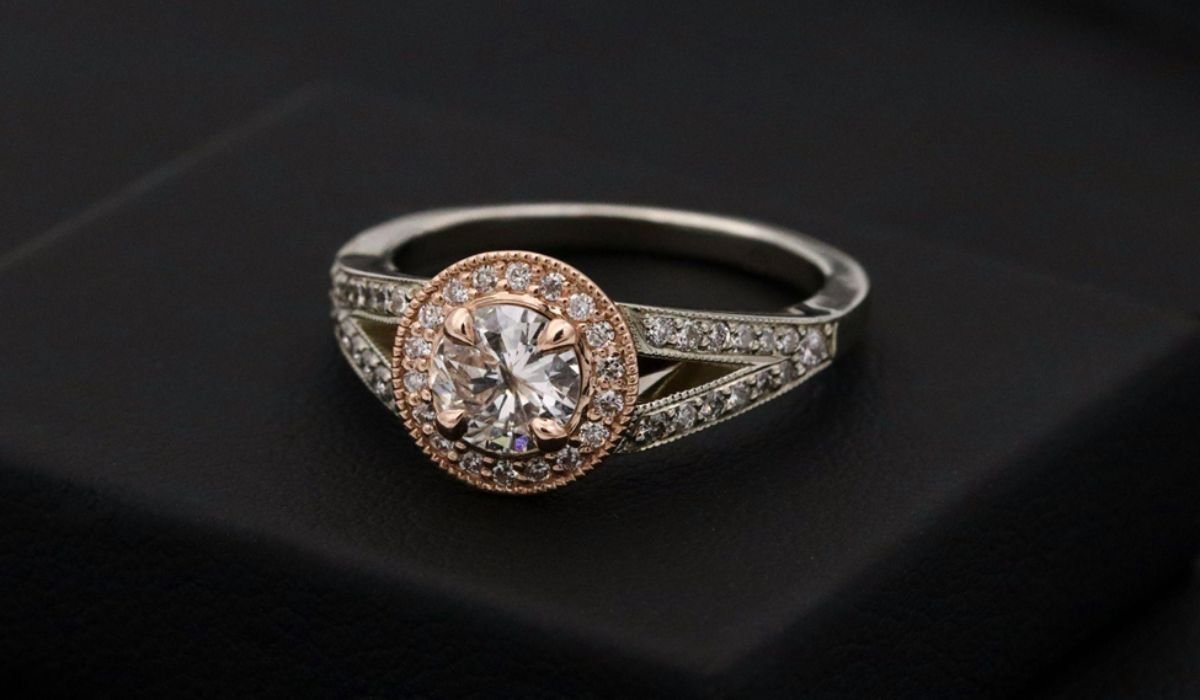
Stacking offers a great opportunity to mix metals (such as white gold, yellow gold, and rose gold) and textures (polished, matte, hammered). Thoughtful metal mixing can elevate your stack and make it versatile with different outfits.
However, contrasting metals and finishes can sometimes create subtle differences in how rings interact physically. For example, highly polished bands may slide against each other more easily than matte ones. Knowing how these surfaces feel next to each other can help you design a stack that is both beautiful and tactilely comfortable.
Consider Daily Activity and Lifestyle
If you use your hands a lot, typing, lifting, cooking, or crafting, your stack should accommodate that activity. Rings that protrude or have large stones may catch or feel less comfortable during daily tasks. Some people choose to wear simpler bands at work and fuller stacks for evenings or special occasions.
It’s also worth considering your climate and dominant hand. Warm weather can cause slight swelling, and dominant-hand fingers tend to be marginally larger. Testing your stack throughout the day gives a better sense of comfort across different conditions.
Choose Complementary Anniversary and Accent Rings
Stacking doesn’t have to be limited to wedding and engagement bands. Anniversary bands, birthstone rings, and small accent rings can enrich a stack with personal meaning. When adding rings over time, make sure each new piece complements the existing ones in proportion and profile.
Personal guidance from jewelers, especially when mixing different gemstones or custom pieces, can help ensure that new additions enhance both look and feel.
Maintain and Rotate When Needed
Like all jewelry, stacked rings benefit from occasional maintenance. Regular cleaning and inspection keep stones secure and bands aligned. Some people alternate which finger or hand they wear their stack on to reduce wear and enhance comfort.
This practice also allows you to enjoy different combinations without feeling like you’re limited to a single configuration.
Listen to Your Hands
Perhaps the most practical tip is to pay attention to how your fingers feel. If a particular stack causes pressure, redness, or discomfort during normal activities, reassess the combination or fit. Jewelry should enhance your daily life, not hinder it.
