
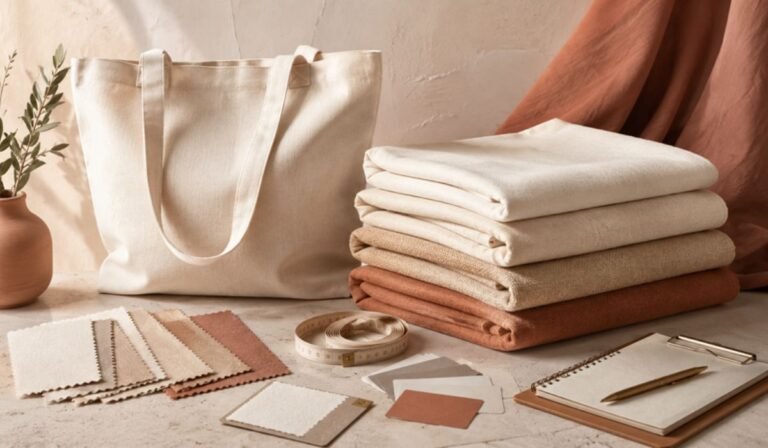
When businesses source tote bags for branding, retail, or promotional use, one of the most overlooked but important factors is canvas weight. Many buyers focus on design, color, or price, but ignore how material thickness affects durability, usability, and long-term performance.
Canvas weight is not just a technical detail—it directly influences how the bag performs in real-world use. Choosing the wrong weight can lead to products that feel too weak for daily use or unnecessarily heavy for simple promotional purposes. This is why understanding canvas specifications is essential before placing bulk orders.
Why Canvas Weight Matters in Real Applications
Canvas weight determines how structured and durable a tote bag will be. Heavier canvas provides stronger support, better shape retention, and longer lifespan. Lighter canvas, on the other hand, is more flexible and cost-efficient but may not be suitable for repeated or heavy use.
In practical terms, this means that two visually identical bags can perform very differently depending on their fabric weight. A lightweight version may be ideal for short-term events, while a heavier version is better suited for retail or daily use.
Many businesses rely on Canvas Bag Weight Guide resources to better understand these differences before making purchasing decisions, especially when planning large-scale production.
Matching Canvas Weight with Business Needs
Different canvas weights serve different purposes depending on the intended use case. Understanding this helps businesses avoid overpaying for unnecessary durability or underestimating product requirements.
Typical usage scenarios include:
- Light canvas: promotional giveaways and short-term campaigns
- Medium canvas: retail packaging and everyday reusable bags
- Heavy canvas: premium branding and long-term customer use
By aligning material weight with actual usage, businesses can ensure better cost efficiency and product performance.
Bulk Ordering Considerations for Businesses
When companies place bulk orders, material consistency becomes even more important. In large-scale production, small differences in fabric weight can lead to noticeable variations in product quality.
This is why many brands prefer Wholesale Cotton Tote Bags when scaling their operations. Cotton-based solutions often provide a balanced combination of durability, print quality, and cost efficiency, making them suitable for large promotional campaigns.
Bulk purchasing also allows businesses to standardize packaging across different channels, ensuring a consistent brand experience in retail stores, events, and marketing distributions.
How Canvas Weight Impacts Brand Perception
Customers may not understand technical specifications like GSM or fabric density, but they can immediately feel the difference in quality. A thicker, more structured bag often feels more premium and reliable, while a lighter bag may feel more temporary or event-focused.
This perception directly affects how customers view the brand. A well-constructed tote bag is more likely to be reused, which increases brand visibility over time and strengthens overall marketing impact.
Conclusion
Canvas weight plays a critical role in determining the functionality and durability of tote bags. By using structured guides and understanding material differences, businesses can make more informed purchasing decisions that align with both budget and branding goals. When chosen correctly, canvas tote bags become not just packaging but long-term brand assets.
