
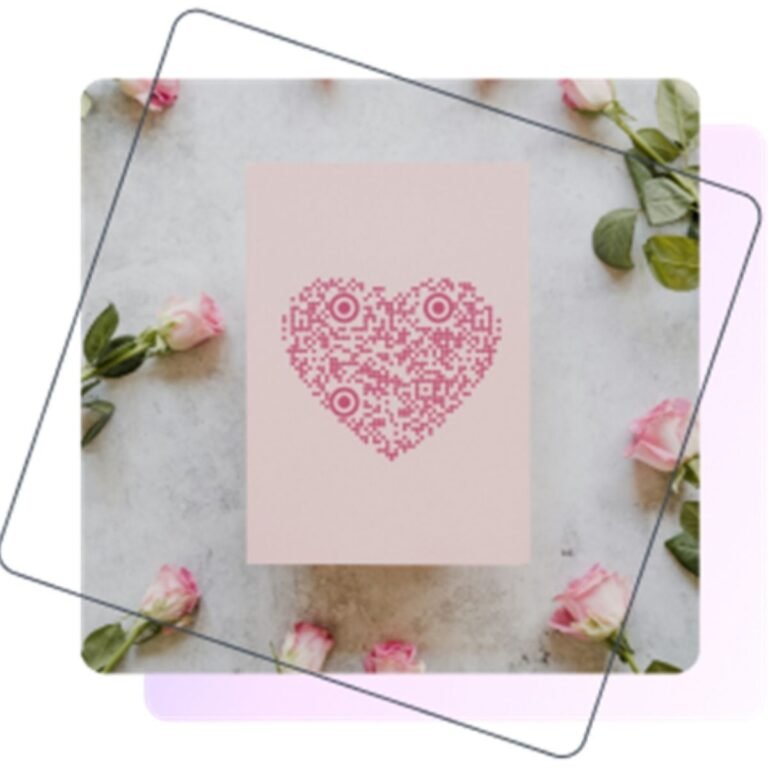
Visual elements increasingly influence how digital tools are perceived in professional environments. Designers and marketers sometimes experiment with design anf choose heart shaped QR code to soften technical interactions without reducing functionality. This approach shows how even data-driven tools can adapt to human-centered communication when used thoughtfully.
When Emotional Design Meets Technical Logic
In business and technology settings, QR codes are usually treated as neutral utilities. However, shape, color, and layout choices can subtly affect how people respond to them. A customized QR code, even one with a symbolic shape, can signal intention, trust, or personalization while still serving a technical purpose.
From a technical standpoint, the structure of a QR code remains machine-readable regardless of stylistic adjustments, as long as contrast and spacing rules are respected. This makes it possible for teams using a QR code generator or QR code maker to introduce visual character without compromising scan reliability. In internal tools, onboarding materials, or client-facing documents, these design decisions can make access points feel more approachable.
Business Use Cases Where Design-Focused QR Codes Make Sense
Rather than listing generic advantages, it is more useful to look at situations where a design-led QR code fits naturally into business or tech workflows:
- linking internal welcome materials to onboarding platforms or knowledge bases;
- embedding QR codes in client documentation to guide users to support portals;
- adding visual cues to event badges or passes that connect to digital schedules;
- integrating branded QR codes into product inserts for setup or activation pages;
- routing users from printed contracts or brochures to secure online resources.
In these cases, the QR code is not decorative by accident. It is intentionally designed to reduce friction and guide attention.
Comparing Functional and Design-Driven QR Code Roles
The table below highlights how QR codes serve different purposes depending on their presentation.
| Context | Primary role of the QR code |
| Internal systems | Fast access to tools |
| Client documents | Guided navigation |
| Events | Entry to digital content |
| Branded materials | Visual engagement |
This comparison shows that visual customization does not replace function but reframes how users approach it.
Designing QR Codes Without Losing System Control
A solution built for visually customized QR codes must support creative freedom while preserving operational consistency. It should make it possible to update linked destinations without reissuing assets, offer insight into how QR codes are accessed, and remain manageable across teams working with both branded and technical materials. These requirements become critical when QR codes are part of long-lasting business documents rather than temporary campaigns.
ME-QR functions as an international platform for creating, organizing, and monitoring QR codes in business and technology contexts. It allows QR codes to remain editable over time, provides scan context across devices and locations, supports large-scale deployment through automation-ready tools, and offers a centralized management interface. It serves users worldwide in 28 languages with more than 20 million codes generated, over 300 million scans recorded, and a global user base exceeding 500,000.
In everyday use, this approach enables teams to introduce visual variation without sacrificing consistency, keeping QR code behavior controlled even as design elements evolve.
As QR codes continue to appear across documents, devices, and interfaces, thoughtful design choices can improve usability without undermining reliability.
FAQ
Do custom-shaped QR codes work as reliably as standard ones?
Yes, if contrast and structure rules are followed, they scan just as effectively.
Can customized QR codes be updated later?
Dynamic QR codes allow destinations to change without reissuing the code.
Are visually styled QR codes appropriate for business use?
They can be effective when design supports clarity and brand consistency rather than novelty.
