
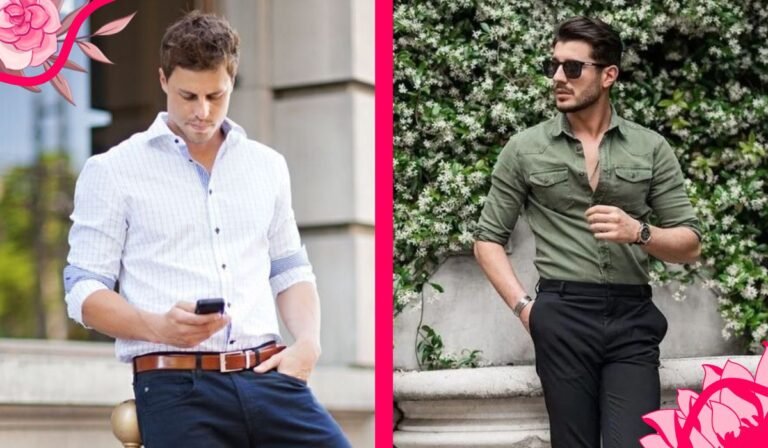
Business Casual Men In today’s modern workplace, Business Casual Men’s style has evolved far beyond just removing a tie or swapping out a full suit. It represents a new balance between professionalism and comfort—a look that shows you care about your appearance without appearing too formal or rigid. Dressing business casual helps men project confidence, credibility, and personality, all while staying comfortable enough for long office hours or networking events.
Whether you work in a corporate office, a creative studio, or a tech startup, mastering business casual dressing can make a lasting impression. It’s not about following strict rules but about understanding what works for your environment and adapting it with smart, well-fitted, and polished choices. This guide walks you through every detail—from wardrobe essentials to outfit combinations—so you can look sharp, confident, and effortlessly stylish at work every day.
Quick Bio Information
Oxford Shirts Are Timeless And Polished
Chinos Offer Versatility Across Seasons
Blazers Instantly Add Professionalism
Sweaters Layer Comfortably In Cooler Months
Polos Combine Smart And Casual Effortlessly
Oxfords And Loafers Define Classic Business Casual Shoes
Chukka And Chelsea Boots Add Seasonal Style
Dark Jeans Work Best In Creative Settings
Leather Belts And Watches Complete The Look
Neutral Colors Like Navy, Gray, And White Build Versatility
Proper Fit And Maintenance Ensure Lasting Style
Understanding Business Casual for Men: The Perfect Balance Between Smart and Relaxed
The term Business Casual Men refers to a dress code that bridges the gap between formal suits and everyday casual wear. It’s professional enough for meetings but comfortable enough for a normal day at the office. Traditionally, this style includes tailored trousers, chinos, button-down shirts, blazers, and polished shoes—but not necessarily a tie or full suit.
The definition can vary depending on where you work. For instance, in finance or law, business casual might mean crisp shirts, wool trousers, and leather Oxfords. In tech or creative environments, it could lean toward chinos, polos, or dark jeans paired with loafers or minimal sneakers. The goal is to strike the right balance between professional and relaxed, dressing in a way that respects your role while allowing room for personal style.
Fit and fabric matter most here. Clothes should be neat, clean, and tailored to your frame, not oversized or wrinkled. Business casual doesn’t mean dressing down—it means dressing smart and intentional.
The Key Components of a Business Casual Outfit
A strong Business Casual Men’s wardrobe starts with timeless, versatile staples that mix and match effortlessly. Each piece should work in multiple combinations, giving you options for every workday or professional event.
The core of the look includes crisp button-down shirts, smart trousers or chinos, structured blazers, and shoes that bridge comfort and sophistication. Sweaters and polos offer variety and flexibility, especially in warmer or creative settings. While dark-wash jeans can be acceptable in more relaxed workplaces, they should always look polished and free of distressing.
Ultimately, every outfit should communicate professionalism while feeling comfortable enough for a full day’s work. Business casual is all about versatility—you should be able to go from a meeting to a casual lunch without changing your outfit.
Essential Tops: From Dress Shirts to Polos
For business casual dressing, the top half of your outfit sets the tone. Oxford shirts, especially in white, light blue, or soft patterns, remain timeless staples. They look sharp tucked into chinos or trousers and can easily be layered with blazers or sweaters. For variety, button-down shirts in chambray or subtle prints add personality without breaking professionalism.
Polos are another excellent choice, particularly for warmer days or more creative environments. Choose polos made of quality cotton or performance fabrics with a structured collar—they give a neat, clean look while staying breathable. Sweaters also play a major role, especially during cooler months. A fine-knit crew neck or V-neck sweater layered over a dress shirt creates an effortlessly refined appearance.
Always ensure your shirts fit well across the shoulders and chest, with sleeves ending neatly at the wrist. Even the simplest shirt looks great when it fits right.
Bottoms That Work: Chinos, Trousers, and Smart Jeans
Your choice of pants defines how formal or casual your outfit appears. Chinos are the backbone of any business casual wardrobe—they’re comfortable, stylish, and available in neutral colors like navy, khaki, and olive that pair with almost anything. For more formal settings, wool trousers or dress slacks give an elevated finish without feeling overly stiff.
In relaxed workplaces, dark-wash jeans can work well, provided they fit properly and have a clean, minimalist design. Avoid ripped, baggy, or light-wash denim, which can look too casual for professional settings. The key is to keep your silhouette clean and tailored.
A good rule of thumb: if your pants look neat and structured enough to wear with a blazer, they’re suitable for business casual. When in doubt, choose chinos or tailored trousers—they’re always a safe and stylish bet.
Shoes That Complete the Look
Shoes can transform an outfit from average to exceptional. For Business Casual Men, the right footwear adds polish, character, and authority. Oxford shoes remain the gold standard for a refined appearance, while derbies or loafers offer a slightly relaxed but equally professional alternative.
For versatility, invest in brown or tan leather pairs—they match most wardrobe colors and work year-round. During colder months, chukka boots or Chelsea boots provide warmth while keeping your look sharp. In more creative or modern offices, minimal leather sneakers can be acceptable when styled with precision—preferably in white, black, or gray, and always kept clean.
Remember that your shoes and belt should coordinate in color and tone. Clean, well-maintained shoes signal attention to detail—an often overlooked but powerful part of first impressions.
Accessories That Add Personality Without Overdoing It
Accessories complete the Business Casual Men’s look by adding subtle elegance. A classic wristwatch remains the most reliable accessory for professionals—it’s practical and stylish without being flashy. Choose simple designs in silver, gold, or leather straps that match your outfit.
Belts should match the color and material of your shoes to maintain a cohesive appearance. For those carrying laptops or documents, a sleek leather briefcase or messenger bag looks far more polished than a backpack. Sunglasses can be worn during commutes, but avoid wearing them indoors.
Keep jewelry minimal and refined. Avoid loud patterns or excessive rings, and opt for accessories that enhance rather than distract. The goal is effortless confidence, not attention-seeking style.
Common Mistakes Men Make with Business Casual
Even well-intentioned men can miss the mark with business casual. The most common mistake is confusing casual with careless—wearing T-shirts, hoodies, or athletic sneakers in professional settings. Oversized or wrinkled clothes also send the wrong message, no matter how expensive they are.
Some men swing the other way, dressing too formally for a relaxed environment. Wearing a full suit or tie when no one else does can appear disconnected from workplace culture. Another frequent issue is neglecting grooming or shoe care, which can undermine an otherwise great outfit.
Business casual is about balance. A polished appearance should look effortless and intentional, showing you understand both professionalism and comfort.
Business Casual Outfit Ideas That Always Work
Certain outfit combinations never fail. A navy blazer paired with a white Oxford shirt, tan chinos, and brown loafers is timeless. For colder months, try a gray wool sweater layered over a collared shirt with dark trousers and Chelsea boots for a refined yet comfortable look.
If you prefer simplicity, a white shirt with navy trousers and brown shoes creates a clean, minimalist style that fits almost any occasion. Creative professionals can experiment slightly—perhaps a patterned shirt under a textured blazer or leather sneakers paired with dark jeans and a casual sport coat.
The best business casual outfits make you feel confident and comfortable. Once you find combinations that work, rotate them regularly with small variations in color and accessories.
Seasonal Business Casual Guide: Dress Smart Year-Round
Dressing business casual isn’t a one-season affair—it’s a year-round approach that adapts to weather and occasion. In spring and summer, lightweight fabrics like cotton, linen, and blends help you stay cool while looking sharp. Short-sleeve polos or light button-downs work perfectly with chinos and loafers.
As the weather cools, layering becomes essential. Fall calls for sweaters, blazers, and darker tones like charcoal, burgundy, or olive. In winter, switch to wool trousers, heavier blazers, and boots to stay warm without losing style.
Adapt your fabrics and colors each season, but maintain the same level of neatness and fit. No matter the temperature, the essence of business casual is looking polished and put-together.
How to Build a Versatile Business Casual Wardrobe on Any Budget
Building a Business Casual Men’s wardrobe doesn’t require endless shopping—it’s about smart, intentional choices. Start with essentials like two or three dress shirts, a few pairs of chinos, one blazer, a pair of loafers, and neutral sweaters. These basics can create dozens of outfit combinations.
Stick with neutral colors such as navy, gray, black, and beige for maximum mix-and-match potential. Once you’ve built a solid foundation, you can add personality through patterns, textures, and seasonal items.
Investing in quality pieces pays off in the long run—well-made clothes look better, last longer, and maintain their shape. If you’re on a budget, focus on fit first. Even affordable clothes look sophisticated when they fit perfectly.
Final Thoughts: Mastering Business Casual With Confidence
Mastering Business Casual Men’s fashion is about finding your balance between comfort, style, and professionalism. It’s not about wearing the most expensive brands—it’s about dressing with purpose and attention to detail. When your clothes fit well, your shoes are clean, and your look feels authentic, you naturally project confidence.
Remember, the best business casual outfit is one that reflects who you are while meeting professional standards. Dress with care, observe your environment, and aim for polished simplicity. When you look sharp, you not only impress others—you feel more capable, focused, and ready to succeed.
FAQs About Business Casual Men
What Is Business Casual For Men?
Business casual for men means dressing professionally without the formality of a full suit. It combines smart, tailored pieces like shirts, chinos, blazers, and leather shoes while avoiding overly casual items like T-shirts or sneakers.
Can Men Wear Jeans For Business Casual?
Yes, dark-wash jeans with a clean, slim fit are acceptable in many modern workplaces, especially in creative or tech industries. Pair them with a blazer or dress shirt to maintain a professional appearance.
Are Sneakers Appropriate For Business Casual?
Minimalist leather sneakers can be worn in relaxed offices. Avoid athletic sneakers or flashy designs, and ensure they’re always clean and paired with polished clothing.
Do I Need To Wear A Tie For Business Casual?
No, ties are optional for business casual attire. They can be worn for presentations or formal meetings but aren’t required in most offices.
What Colors Work Best For Business Casual Men?
Neutral colors like navy, white, gray, black, olive, and beige are timeless and professional. They make it easy to mix and match outfits.
How Can I Build A Business Casual Wardrobe On A Budget?
Start with versatile basics—shirts, chinos, and shoes—and focus on proper fit. Add pieces gradually, investing in quality items that you can wear often.
What Are Common Mistakes In Business Casual Dressing?
Wearing clothes that don’t fit, mixing overly casual items, neglecting grooming, or ignoring company culture are common errors. Keep your look simple, clean, and consistent.
People Also Read: Costco Business: How It Helps Small Businesses Save Big
