
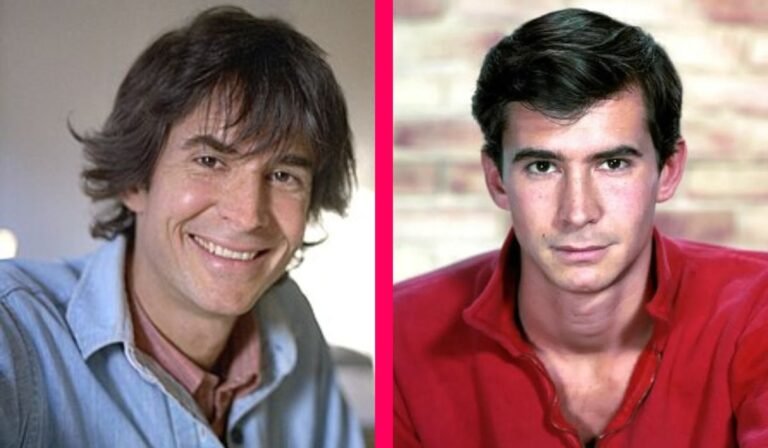
Anthony Perkins remains one of the most fascinating figures in Hollywood history. Known worldwide for his unforgettable performance as Norman Bates in Alfred Hitchcock’s Psycho, he became a cultural symbol of psychological depth in cinema. But behind that iconic role was a deeply talented actor whose career stretched far beyond horror films. His life included Broadway success, Hollywood stardom, international cinema, and a constant struggle to balance fame with personal identity. This article explores the full story of Anthony Perkins, from his early beginnings to his lasting legacy in film history.
Table of Contents
ToggleQuick Bio Information
Born: April 4, 1932, New York City, United States
Died: September 12, 1992, Los Angeles, California, United States
Age At Death: 60 Years Old
Nationality: American
Occupation: Actor, Director, Singer
Active Years: 1947 To 1992
Father: Osgood Perkins
Mother: Janet Rane Perkins
Education: Columbia University
Spouse: Berry Berenson
Children: Oz Perkins, Elvis Perkins
Breakthrough Film: Friendly Persuasion (1956)
Most Famous Role: Norman Bates In Psycho (1960)
Awards: Golden Globe Award For Best New Actor
Notable Directors Worked With: Alfred Hitchcock, Orson Welles
Famous Collaborations: Ingrid Bergman, Sophia Loren, Audrey Hepburn
Film Debut: The Actress (1953)
Broadway Debut: Tea And Sympathy (1954)
Cause Of Death: AIDS Related Illness
Final Film: In The Deep Woods (1992)
Early Life In New York City
Anthony Perkins was born in New York City into a family already connected to the performing arts. His father, Osgood Perkins, was a respected stage actor, which exposed Anthony to theatre culture from a young age. However, his early childhood was shaped by emotional distance and the loss of his father when he was still a small child. This experience left a lasting impact on him and influenced the emotional sensitivity often seen in his acting performances.
Childhood Challenges And Emotional Growth
Growing up, Anthony Perkins experienced a complex and sometimes difficult childhood. After the death of his father, he was raised primarily by his mother, who played a central role in his early life. Moving between New York and Boston, he attended several schools where he struggled with confidence and social adjustment. These early experiences contributed to his shy personality and introspective nature, qualities that later became part of his screen presence.
Education And Early Interest In Performance
Perkins attended multiple schools, including boarding institutions, before continuing his education at Columbia University. During his school years, he discovered a strong interest in performance, participating in school plays and developing his skills in acting and music. Even before entering Hollywood, he had already gained experience in summer theatre productions, which helped him build a strong foundation for his future career.
Early Stage Work And Summer Theatre
Before becoming a film actor, Anthony Perkins worked extensively in summer stock theatre. These early roles allowed him to explore different characters and develop his acting technique in a live setting. He gained valuable experience performing in small productions and working behind the scenes. This stage period was essential in shaping his discipline and understanding of character-driven storytelling.
Broadway Success And Breakthrough Recognition
Perkins’ breakthrough came with Broadway productions such as Tea And Sympathy, where he delivered a performance that drew critical attention. His ability to portray emotionally complex characters stood out, and he quickly became recognized as a rising talent. This stage success opened doors in Hollywood and led to his transition into film acting, marking the beginning of his rise to fame.
Hollywood Debut And Rise To Fame
Anthony Perkins made his film debut in The Actress (1953), but it was Friendly Persuasion (1956) that truly launched his Hollywood career. His performance earned him a Golden Globe Award and an Academy Award nomination, establishing him as one of the most promising young actors of his generation. During this period, he signed a major contract with Paramount Pictures and was promoted as a new Hollywood leading man.
Becoming A Hollywood Teen Idol
During the late 1950s, Perkins became widely known as a teen idol. Studios often cast him in romantic and youthful roles alongside major actresses of the era. His soft-spoken personality, expressive face, and emotional acting style made him popular with audiences. However, this image also began to limit the types of roles he was offered, as he became closely associated with a specific screen persona.
Psycho And The Role That Defined His Career
In 1960, Anthony Perkins starred in Alfred Hitchcock’s Psycho, a film that changed cinema history. His role as Norman Bates became one of the most iconic characters ever created in film. Perkins delivered a performance that combined charm, vulnerability, and psychological intensity, making the character unforgettable. The success of Psycho made him an international star but also led to long-term typecasting in similar roles.
Life After Psycho And Struggles With Typecasting
After Psycho, Perkins faced the challenge of escaping the shadow of Norman Bates. Many filmmakers saw him only in psychologically complex or disturbed roles, limiting his opportunities in mainstream Hollywood. Despite this, he continued to work steadily, seeking projects that allowed him to explore deeper and more varied characters. This period marked a turning point in his career as he searched for artistic freedom.
European Cinema And Artistic Freedom
To break away from Hollywood limitations, Perkins moved to Europe and began working in international films. He collaborated with respected directors and actors, including Ingrid Bergman and Orson Welles. Films like Goodbye Again and The Trial showcased his ability to handle complex dramatic roles. This phase of his career is often seen as one of his most artistically rewarding periods.
Return To Hollywood And Career Reinvention
In the late 1960s and 1970s, Anthony Perkins returned to Hollywood and began rebuilding his career. He took on supporting roles in major films such as Murder On The Orient Express and Catch-22. These performances reminded audiences of his versatility and talent beyond his earlier fame. He successfully transitioned into more mature and character-driven roles during this time.
Psycho Sequels And Horror Legacy
Perkins later returned to his most famous role in Psycho II, Psycho III, and Psycho IV. These sequels allowed him to revisit Norman Bates with a deeper emotional understanding. Unlike his earlier experience, he embraced the character and helped expand its psychological complexity. This cemented his status as one of horror cinema’s most influential figures.
Personal Life And Private Struggles
Anthony Perkins married photographer Berry Berenson, and they had two sons, Oz and Elvis Perkins. Despite his public success, his personal life was often private and carefully guarded. He faced significant pressure regarding his identity and public image, which added complexity to his life outside of acting. His family remained an important part of his personal world throughout his career.
Acting Style And Lasting Influence
Perkins was known for his subtle, emotionally driven acting style. He combined classical stage techniques with modern psychological realism, creating performances that felt both natural and deeply expressive. His influence can still be seen in modern actors who portray complex emotional characters. Directors continue to study his work in Psycho as a masterclass in screen acting.
Final Years And Passing
In the final years of his life, Perkins continued acting in film and television, often returning to horror-related projects. He was diagnosed with an AIDS-related illness and passed away in 1992 at the age of 60. His final performances were released after his death, marking the end of a long and influential career in entertainment.
Legacy Of Anthony Perkins In Film History
Anthony Perkins left behind a legacy that continues to shape cinema today. He is remembered not only for Psycho, but for his ability to bring emotional depth to every role he played. His work influenced psychological storytelling in film and helped redefine the horror genre. More than three decades after his passing, he remains a key figure in Hollywood history.
Conclusion
Anthony Perkins remains a powerful and enduring figure in film history. His journey from a sensitive young stage actor to a Hollywood icon shows both the rewards and challenges of fame. While Psycho defined his career, it did not limit his talent. Instead, it highlighted his ability to portray complex human emotion in a way few actors ever have. Today, Anthony Perkins is remembered not only as Norman Bates, but as a deeply gifted actor whose work continues to inspire filmmakers and audiences around the world.
Frequently Asked Questions About Anthony Perkins
Who Was Anthony Perkins
Anthony Perkins Was An American Actor Best Known For Playing Norman Bates In Alfred Hitchcock’s Psycho. He Also Worked In Theater, Film, And Television Throughout His Career.
What Is Anthony Perkins Most Famous For
He Is Most Famous For His Role As Norman Bates In The 1960 Film Psycho, Which Became One Of The Most Iconic Performances In Film History.
Did Anthony Perkins Win Major Awards
Yes, He Won A Golden Globe Award For Friendly Persuasion And Received An Academy Award Nomination Early In His Career.
Was Anthony Perkins A Stage Actor Before Films
Yes, He Began His Career In Theater And Broadway Before Moving Into Hollywood Films.
Why Did Anthony Perkins Move To Europe
He Moved To Europe To Escape Typecasting After Psycho And To Explore More Artistic Film Roles.
What Was Anthony Perkins’ Acting Style
His Acting Style Was Subtle, Emotional, And Psychologically Driven, Often Focusing On Inner Conflict.
When Did Anthony Perkins Die
Anthony Perkins Died On September 12, 1992, Due To AIDS-Related Illness.
What Is Anthony Perkins’ Legacy
His Legacy Lies In His Transformative Role In Psycho And His Influence On Psychological And Horror Acting In Cinema.
Recommended For You: Allison Mack: From Smallville Star To The NXIVM Scandal Explained
