
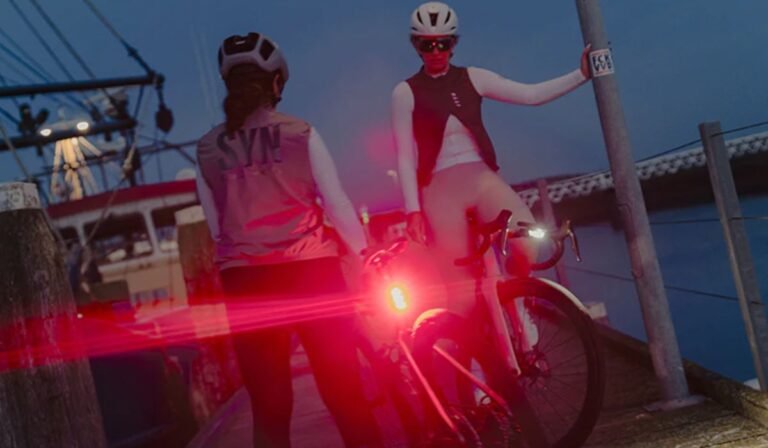
When you think about bicycle safety, your mind may immediately go to helmets, reflective clothing, or riding techniques. These are all important, but visibility is another factor that deserves equal attention. Many cyclists focus on what helps them see ahead but forget that being seen from behind is just as important.
A reliable bicycle tail lamp can make a significant difference, especially when you ride during early mornings, evenings, or in areas with changing light conditions. It helps create a stronger visual presence on the road and gives drivers and other cyclists a better chance of recognizing your position. Whether you ride for commuting, fitness, or weekend adventures, a rear light is a simple addition that can improve your overall riding experience.
The Part of Cycling Safety Many Riders Overlook
When you prepare for a ride, you probably check your tires, brakes, and other essential equipment. However, many riders do not think enough about visibility from behind. A bicycle is much smaller than other vehicles on the road, which means cyclists need to take extra steps to make themselves noticeable. A front light helps you see and improves visibility from the front, but a rear light completes the safety setup by alerting others approaching from behind. Once you start riding regularly, you realize that visibility is not just a nighttime concern. Shadows, weather changes, busy streets, and low-light conditions can all affect how easily others notice you.
Why Rear Visibility Matters More Than You Think
Imagine riding on a road during sunset. The sky may still have some natural light, but drivers coming from behind might struggle to notice a cyclist against changing backgrounds. This is where a dependable rear light becomes valuable. It creates a clear signal that helps separate you from the surroundings.
A quality bicycle tail lamp is designed to provide consistent visibility without distracting other road users. Many modern options include different brightness settings and patterns, allowing you to adjust according to your environment. For example, a steady mode may work well on quieter roads, while a flashing mode can attract more attention in areas with traffic.
What You Should Look For in a Tail Light
Choosing a rear light is not just about picking the first option you find. A few features can make a noticeable difference in your riding experience.
Visibility Range
The main purpose of a tail light is helping others notice you. Look for a model that provides clear visibility from a practical distance.
Battery Reliability
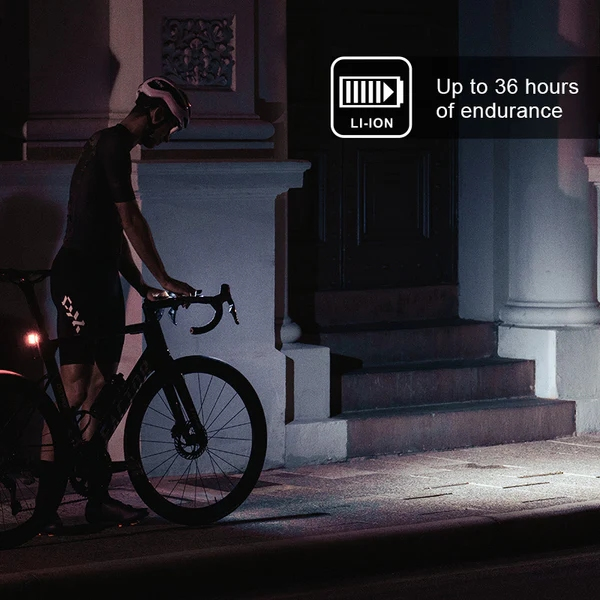
A light is only useful when it works. Good battery performance means you can complete your ride without constantly worrying about whether the light will stop functioning.
Weather Resistance
Cycling does not always happen under perfect conditions. Rain, moisture, and changing weather can affect equipment, so durability is an important consideration.
Easy Mounting
A good rear light should be simple to install and secure enough to stay in place during regular rides.
How a Tail Light Changed Your Night Riding Experience
If you have ever finished a ride after sunset, you know how different the experience can feel compared to daytime cycling. Roads look different, visibility decreases, and your awareness needs to increase. Adding a rear light to your setup can help you feel more prepared. When combined with proper front lighting, it creates a complete visibility system.
Many riders looking for the best bike lights for night riding focus only on front illumination, but rear visibility is equally important. A balanced lighting setup helps you become more noticeable from every direction.
The Role of Modern Bike Lighting Technology
Bike lighting has improved significantly over the years. Today’s products are designed with features that focus on real riding situations rather than simply producing more brightness. While exploring different cycling equipment, you may come across brands like RAVEMEN that focus on practical lighting solutions for riders. Their approach emphasizes useful features such as visibility, performance, and designs that support different cycling conditions. This shows how bike accessories have evolved. A light is no longer just a basic tool attached to a bicycle it has become an important part of a rider’s overall preparation.
Creating Better Riding Habits
A good safety setup is not only about buying equipment. It is also about developing consistent habits. Before every ride, you should check that your tail light has enough battery, is properly attached, and is set to the right mode for your route. Small steps like these take only a few seconds but can make a meaningful difference. When choosing the best bike lights for night riding, building these safety habits ensures your equipment performs effectively when you need it most. When safety equipment becomes part of your normal routine, you are more likely to stay prepared.
Choosing the Right Setup for Your Cycling Style
Different riders have different needs. A daily commuter riding through city streets may require different features compared to someone exploring long rural routes. Before choosing a tail light, consider your typical riding conditions:
- Do you ride mostly during daylight or after dark?
- Are your routes busy with traffic?
- Do you frequently ride in changing weather?
- How long are your average trips?
Understanding your own habits helps you choose equipment that provides real value.
Conclusion
A bicycle tail lamp is one of the simplest upgrades you can make to improve your cycling safety. It helps increase visibility, supports better awareness from other road users, and gives you more confidence during low-light rides. While many cyclists focus on seeing the road ahead, being visible from behind is equally important. When combined with a reliable front light, a quality rear lamp creates a more complete approach to cycling safety. For anyone who enjoys riding beyond daylight hours, investing in proper lighting is a practical decision that can make every journey more comfortable and confident.
FAQs
1. Why do I need a bicycle tail lamp?
A tail lamp helps make you more visible to vehicles and cyclists approaching from behind, especially in low-light or busy road conditions.
2. Should I use a rear light during daytime rides?
Yes. Daytime use can improve visibility, particularly in traffic areas, bad weather, or locations where cyclists need extra attention from drivers.
3. What mode should I use on my rear bike light?
The best mode depends on your surroundings. Flashing modes may improve visibility in busy areas, while steady modes can work well on quieter routes.
4. Can a rear light improve night riding confidence?
Yes. A reliable rear light helps create a stronger safety setup, allowing you to feel more prepared during evening or nighttime rides.
5. How do I maintain my bicycle tail lamp?
Regularly charge the battery, clean the light surface, check the mounting system, and store it properly when not in use to maintain performance.
