
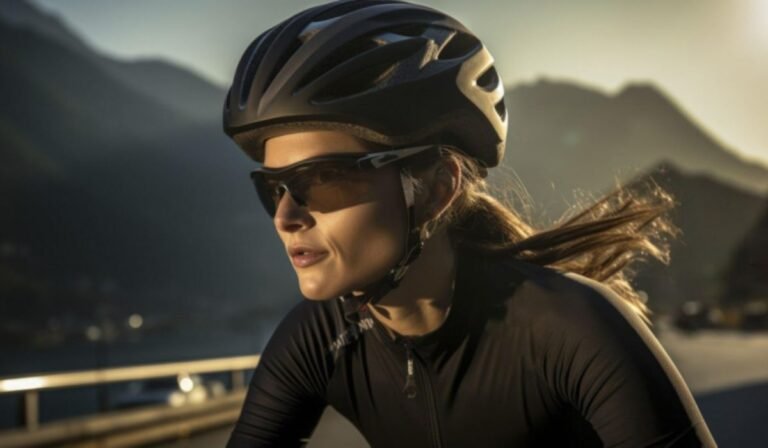
Not all sunglasses are built for the same conditions, and the pair that works well for a casual walk in the park is not necessarily the pair you want on a boat in open water or halfway up a mountain. The activity you are doing determines what the lens needs to do, how the frame needs to fit, and what happens if you get those choices wrong.
This is a practical guide rather than a brand guide. The focus is on what to look for across different outdoor activities and why certain features matter more in some contexts than others.
Running and Trail Running
Running puts a specific set of demands on sunglasses that most standard frames do not meet. The frame needs to stay in place through continuous movement without bouncing or sliding, the lens needs to handle changing light as you move between shade and open sun, and the fit needs to be secure enough that you are not adjusting the frame every few minutes.
Wraparound sunglasses are the most practical choice for running specifically because the curved frame reduces wind exposure to the eye surface and eliminates peripheral light intrusion that a flat-fronted frame does nothing about. A rubber grip on the nose bridge and temple tips adds security on longer runs where sweat becomes a factor.
Lens tint matters for trail running more than road running. A single dark tint handles open sun reasonably well but creates problems in woodland sections where light drops suddenly. Photochromic lenses that adjust automatically to changing light levels are worth considering for trail running where the lighting conditions vary significantly across a single route.
Cycling
Cycling shares some requirements with running but adds a wind and debris element that changes what the frame needs to provide. At speed, the eye is exposed to air movement, insects, and road debris that a standard frame does not adequately protect against.
Wraparound sunglasses designed for cycling typically have a larger lens area that provides more coverage, a close-fitting frame profile that reduces wind getting behind the lens, and ventilation built into the lens or frame to prevent fogging during hard efforts. The close fit that makes these frames effective for cycling also makes them less comfortable for casual wear, which is worth knowing if you want one pair to serve multiple purposes.
Polarised lenses are useful for road cycling specifically, where wet road surfaces and traffic create significant reflected glare. For mountain biking on dry trails, a standard tinted lens with good contrast enhancement often works better because the polarisation filter can reduce the visual distinction between surfaces that matters when reading terrain quickly.
Fishing
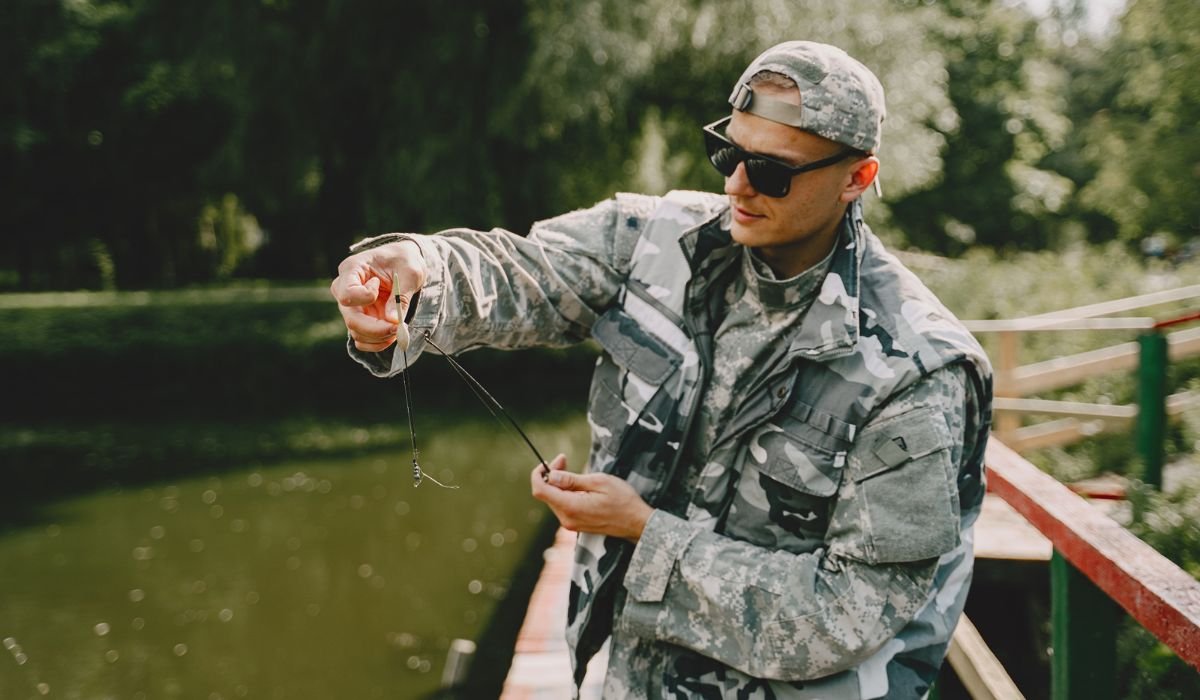
Fishing may be the use case where polarised sunglasses make the most dramatic practical difference of any outdoor activity. The ability to see through the water surface rather than seeing only its reflection changes the experience of fishing entirely. Spotting fish, reading the water, and identifying structure below the surface all depend on eliminating the reflected glare that an unpolarised lens leaves intact.
Copper and amber tinted polarised lenses enhance contrast in the mid-tones and perform particularly well in variable light conditions on the water. Grey polarised lenses maintain more natural colour rendering, which suits bright conditions on open water where colour accuracy matters alongside glare reduction.
Frame fit for fishing should prioritise coverage and comfort for extended wear. A frame that creates pressure points after an hour becomes genuinely uncomfortable across a full day on the water.
Skiing and Snowboarding
Snow reflects a very high proportion of available light, and the UV intensity at altitude adds to an already demanding visual environment. Sunglasses for skiing need high UV protection and a dark tint capable of handling very bright conditions, alongside a frame that stays in place over a helmet or under a hat.
Wraparound sunglasses with a darker tint, category 3 or 4, are the appropriate choice for open slope skiing on bright days. The wraparound design prevents peripheral light entry from above and the sides, which is particularly important in snow environments where light comes from multiple angles including reflection from below.
Goggles are the more common choice for most skiers in serious conditions, but for lift queues, resort walking, and skiing in lower light, a quality pair of sunglasses with the right tint and UV protection handles the conditions well.
Water Sports
Kayaking, sailing, and open water swimming all share the high-glare, high-UV environment that makes polarised lenses almost non-negotiable. The combination of water reflecting sunlight, often for hours at a time, creates a level of visual fatigue that a non-polarised lens does not adequately manage.
Retention is the frame consideration that matters most for water sports. A retainer strap that secures the sunglasses to the head means that a capsize or a wave does not result in a lost pair. Floatable frames are available for some water sport specific ranges and are worth considering for activities where submersion is a realistic possibility.
Hiking
Hiking covers the widest range of environments and conditions of any outdoor activity, which makes it the context where versatility in the lens matters most.
| Condition | Recommended Lens |
| High altitude, open terrain | Dark polarised, category 3 |
| Mixed woodland and open sections | Photochromic or amber tint |
| Overcast or variable light | Light tint or yellow lens |
| Snow or glacier sections | Category 4, wraparound frame |
A medium-tinted polarised lens in a wraparound frame covers most hiking conditions adequately without requiring multiple pairs. For high-alpine routes with snow exposure, a darker lens with greater coverage is worth the specific investment.
Everyday Outdoor Use
For general outdoor use that does not fall into any of the specific activity categories above, the priorities simplify considerably. UV400 protection is non-negotiable regardless of price point. A medium tint that handles bright sun without reducing visibility too much in shadier conditions suits most everyday contexts.
Polarised lenses are a worthwhile choice for everyday outdoor sunglasses if regular driving or time near water is involved. For purely urban use with limited glare exposure, the difference between polarised and non-polarised is smaller and the choice comes down more to preference and budget.
Final Say
Sunglasses chosen for the activity they will actually be used in outperform general purpose pairs in almost every outdoor context. The features that matter, polarisation for water and driving, wraparound frames for running and cycling, dark tints with UV400 for snow and altitude, are specific to the conditions rather than universal preferences. Knowing what each activity demands makes the choice considerably more straightforward than browsing a wall of frames with no particular criteria in mind.
