
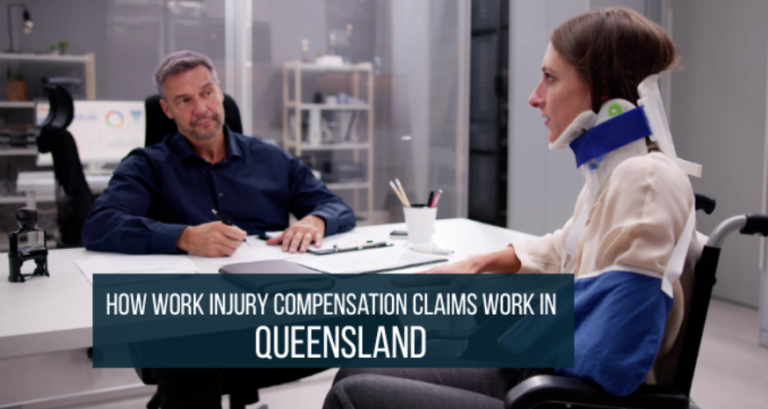
Work injury compensation claims in Queensland operate under a no-fault statutory scheme managed by WorkCover. The process involves reporting the injury, obtaining a work capacity certificate, and lodging a form.
Injured workers may also have access to a common law claim, depending on the circumstances.
vbrLawyers is a Queensland-based compensation law firm that practises in work injury and workers’ compensation claims. The team handles both statutory and common law pathways.
This article covers how the process works, what workers’ compensation covers, and the differences between statutory and common law claims. It also explains time limits and permanent impairment lump sums.
Read on for further information about workers’ compensation and related legal processes.
How Does a Work Injury Claim Work in Queensland?
A work injury claim in Queensland starts with reporting the injury to an employer and getting a work capacity certificate from a doctor. The procedure is set out under the Workers’ Compensation and Rehabilitation Act 2003.
Most claims are managed through WorkCover Queensland, which is the state’s main workers’ compensation insurer.
We will get into more detail about these two main steps.
Reporting the Injury
As we mentioned earlier, the first step after a workplace injury is letting an employer know what happened. The reporting needs to happen as soon as possible after the injury occurs.
Medical treatment is often the next step. A doctor will assess the injury during the visit and, where appropriate, issue a work capacity certificate.
This document is an important part of the workers’ compensation process in Queensland. It outlines the nature of the injury or illness, any work restrictions that apply, and whether the worker can return to their usual duties or perform suitable alternative duties during recovery.
Insight: A worker can have medical restrictions and still be able to perform certain duties. Capacity for work exists on a spectrum rather than as a simple fit or unfit assessment.
Lodging the Claim
From 1 July 2025, WorkCover Queensland no longer automatically registers a claim when it receives a work capacity certificate from a medical practitioner. It must now be lodged separately by the worker, which can be done online, by phone, or using a paper form.
WorkCover generally has 20 business days to decide after receiving the claim. During that period, they may consider the work capacity certificate. The authority may also look at any other information or supporting documents relevant to the application (in some cases, it may require further investigation).
So, it’s clear that if you have complete paperwork from the very beginning, it may reduce delays in the process.
What Does Workers’ Compensation Cover?
Workers’ compensation covers weekly payments, medical treatment, travel costs, and return-to-work support for injured workers in Queensland. These benefits fall under the Workers’ Compensation and Rehabilitation Act 2003.
The scheme is designed to support recovery from a work-related injury or illness without needing to prove fault.
Here is a detailed breakdown of Queensland’s compensation scheme:
- Weekly Payments: Injured workers receive partial wage replacement while they are unable to work. The amount is calculated as a percentage of their normal weekly earnings and reduces gradually over time.
- Medical Treatment: Doctor visits, hospital stays, surgery, physiotherapy, and prescribed medication all fall under the claim. Rehabilitation expenses like psychology sessions are also included when they are related to the work injury.
- Travel Costs: Travel expenses associated with approved medical treatment may be payable in some circumstances. For example, a worker attending physiotherapy appointments in another suburb may be able to claim travel costs, including private vehicle travel, in accordance with the applicable WorkCover reimbursement rates.
- Return-to-Work Support: WorkCover funds workplace rehabilitation programs for injured workers. These programs help with a gradual return to duties, and they often involve modified tasks or adjusted hours while recovery continues.
The type and duration of benefits depend on the nature of the injury and the worker’s progress through treatment.
Statutory Claims vs Common Law Claims
Queensland has two types of workers’ compensation claims, and each one works differently depending on how the injury occurred. The first one is Statutory claims, which operate under a no-fault scheme. The second one is common law claims. It requires proof of employer negligence. The distinction affects what compensation an injured worker can access.
The following section discusses how different types of claims work under Queensland’s compensation system.
The No-Fault Scheme
Queensland’s statutory workers’ compensation scheme doesn’t require an injured worker to prove their employer did anything wrong. If the injury or illness is work-related, the claim can proceed regardless of who was at fault.
Statutory benefits include weekly payments, medical expenses, and rehabilitation support. They are all funded through the employer’s workers’ compensation insurance with WorkCover Queensland.
Benefits continue for as long as the worker meets the eligibility requirements under the scheme.
Employer Negligence Claims
A common law claim is different from a statutory claim in one major way: the worker must show that the employer’s negligence caused the injury. Examples of negligence may include inadequate training, defective equipment, or unsafe systems of work.
Where negligence is established, damages may be available for losses, like lost income, pain and suffering, and future loss of earning capacity. The types of damages available depend on the circumstances of the case (employers owe a duty to provide a reasonably safe system of work).
The worker must generally have an accepted statutory workers’ compensation application before a common law claim can proceed.
Lump Sum and Permanent Impairment
Once a work injury stabilises and stops improving, WorkCover may arrange a permanent impairment assessment. A qualified medical assessor will examine the worker and assign a degree of permanent impairment, expressed as a percentage.
WorkCover then issues a lump sum offer based on that percentage.
For example, a warehouse worker with a permanent back injury might receive a lump sum calculated against their assessed impairment rating. If the impairment sits under 20%, accepting that offer closes off the right to pursue a common law claim. However, if it is 20% or above, both options remain available.
Assessment Insight: Permanent impairment is usually assessed after recovery has stabilised. The assessment is intended to measure any ongoing effects of the injury that remain after treatment and rehabilitation.
Time Limits
Specific deadlines apply to both statutory and common law work injury claims in Queensland. For statutory claims, the deadline is six months from the date the injury occurred or from when a medical practitioner first connected the condition to work.
Meanwhile, common law claims carry a three-year limitation period from the date of injury. On the employer’s side, they are required to notify WorkCover within eight business days of becoming aware of the injury.
These timeframes are set under the Workers’ Compensation and Rehabilitation Act 2003.
Final Thoughts on Work Injury Compensation in Queensland
The workers’ compensation system in Queensland follows a structured claims process. It starts with reporting the work injury to an employer and getting a work capacity certificate from a medical practitioner. The file is lodged with WorkCover Queensland from there.
Statutory benefits cover weekly payments, medical treatment, and rehabilitation. Depending on the circumstances, a common law claim may also be an option. The type of application affects what compensation is available, and time limits apply to both pathways.
For more information about work injury claims or the process in Queensland, get in touch with the team at vbr Lawyers.
