
Many makers build games with AI tools and end up with something that feels too plain. The core idea works, but after a few minutes, players lose interest because everything repeats in the same way without enough surprise or growth. The game lacks layers that keep sessions fresh and make each play feel different. This happens often because basic versions focus only on the main action while skipping elements that add depth and intelligence. The good news is you can add smart features without rewriting everything. Simple changes like adjusting difficulty based on player performance, introducing light choices, and creating varied situations turn a basic game into one that feels alive and rewarding. This guide explains the common reasons games feel basic and gives clear steps to add thoughtful features that improve enjoyment. Follow them and your game will hold attention longer while staying easy to build.
Why Games Feel Too Basic
Basic games usually repeat the same short loop with little change. Players perform the main action, see the same obstacles or items, and reach similar results every time. There is no sense of progress beyond a simple score counter, and nothing reacts to how well or poorly the player performs. In AI games, this problem grows because new content can feel random instead of carefully planned. Levels may look different, but play the same, so the excitement fades quickly. Players want to feel smart and challenged in ways that match their skill. When a game stays too easy or too repetitive, they move on to something else. Recognizing these signs early helps you focus on fixes where they matter most. A game that feels basic can become engaging once you add layers that respond to the player and offer new experiences across sessions.
Signs Your Game Needs Smarter Features
Watch for clear signs that your game is too simple. If most players reach high scores in their first few tries and then stop playing, the challenge does not grow with them. If newly generated levels feel almost identical in how they play, variety is missing. Another sign appears when players finish a session without any memorable moments or decisions they made themselves. The game guides them too strictly or offers no real choices. Finally, if friends who try the game say it was fun for a minute but then became boring, the experience lacks the depth that keeps interest alive. These signals show exactly where to add smart features. Start with one or two improvements and test how players react before adding more. Small, thoughtful additions often create the biggest jumps in enjoyment.
Four Reasons Games Stay Too Basic
Several common issues keep games feeling plain even after generations.
- Fixed Difficulty: The game uses the same speed or number of obstacles regardless of how well the player performs, so it never gets harder or easier in a smart way.
- Lack of Variety: New levels or items change in appearance but not in how they affect gameplay, making sessions feel repetitive.
- No Player Choices: Everything follows a single path with no decisions that change the outcome or strategy.
- Missing Progression Layers: There are no upgrades, new abilities, or evolving goals that give players something fresh to work toward.
Adding Adaptive Difficulty
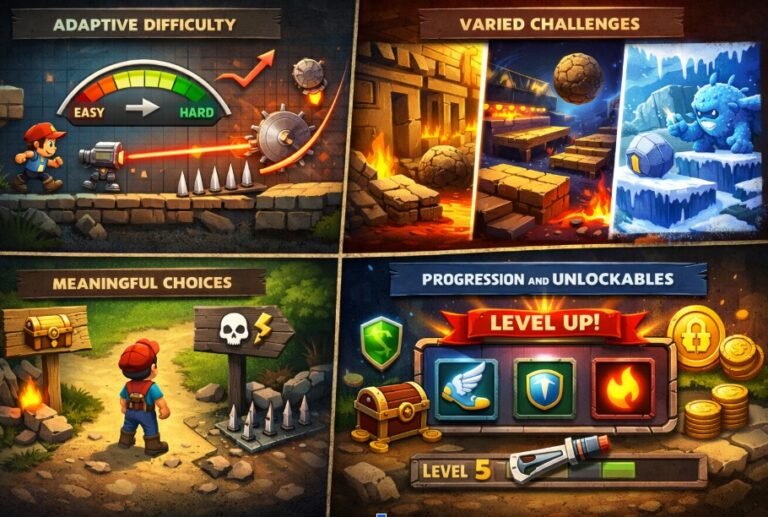
Smart difficulty keeps the game challenging but fair by watching how the player performs and adjusting quietly. If a player succeeds easily, the next section can add slightly more obstacles or faster movement. If someone struggles, the game can slow things down or reduce the number of threats for a short time. This adjustment should feel natural rather than obvious. Use small steps so the change supports the player instead of punishing mistakes. For example, after several successful rounds, introduce one new type of obstacle while keeping the rest familiar. In games with generated content, set rules that increase or decrease complexity based on recent performance. This creates a balanced experience where beginners feel supported and skilled players stay engaged. Test different adjustment levels to find the sweet spot that feels rewarding for most players.
Creating Varied Challenges
Variety stops repetition by offering different situations within the same core mechanic. Instead of every level having the same layout, create several patterns that change the focus slightly. One section might emphasize quick reactions while another rewards careful planning. Add light random events that appear occasionally, such as bonus items or temporary power changes. These moments break the routine without breaking the rules. In AI games, combine a few base templates with small variations so each new area feels fresh while still following the same logic. Players enjoy discovering these variations because they keep the game interesting across many plays. Keep variations balanced so none feel unfair. The goal is to surprise players in pleasant ways that encourage them to try again soon.
Four Smart Features That Add Depth
Include these four features to make your game feel more intelligent and engaging.
- Meaningful Choices: Give players small decisions that affect the immediate outcome, such as choosing between a safe path with lower rewards or a risky path with higher scores.
- Unlockable Abilities: Let players earn simple new moves or tools after reaching certain milestones so they feel their skills are growing.
- Evolving Goals: Change the main objective slightly as the game progresses, for example, from surviving as long as possible to collecting special items while surviving.
- Light Strategy Elements: Add opportunities to plan, such as saving resources for later use or choosing the order of actions for better results.
Giving Players Real Choices
Choices make games feel personal. Even simple decisions, like picking which lane to take or which item to use first, create investment. Make sure each choice has a clear trade-off, so players think about the best option rather than guessing randomly. In generated environments, offer two or three paths with different challenges and rewards. One might be faster but riskier, while another is safer but slower. Track the choices players make and use that information to present balanced options in future sections. Clear visual differences help players see the choices rapidly. Highlight the options with color or icons so decisions feel deliberate. When players see the results of their choices, they learn and enjoy the game more.
Building Progression and Unlockables
Progression gives players a sense of growth. Start with basic abilities and unlock small improvements as scores or levels increase. These could include faster movement, extra lives, or special effects that make actions more satisfying. Unlocks should feel earned but reachable within a reasonable number of sessions. Show a simple progress screen that displays what comes next so players have something to work toward. In AI games, tie some unlocks to overall performance across multiple plays rather than a single session. This system encourages return visits because players want to see what new features they can access. Keep improvements helpful but not necessary for basic success, so new players do not feel left behind.
Four Ways to Keep Players Coming Back
Use these four approaches to increase replay value and make sessions feel worthwhile.
- Daily or Session-Based Challenges: Offer short extra goals that change regularly, such as reaching a score with limited moves or collecting a certain type of item.
- Score and Achievement Tracking: Show personal bests and small milestones that celebrate different play styles.
- Gradual Introduction of New Elements: Reveal new obstacles, items, or rules slowly so each session brings something slightly different.
- Balanced Randomness: Add light variation in generated content so no two plays feel the same while keeping the core fair.
Testing Smart Features
After adding new features, test with both new and returning players. Watch whether the additions feel helpful or overwhelming. Ask testers what felt most interesting and what still seemed too simple. Adjust based on their feedback. If adaptive difficulty feels too strict, soften the changes. If choices feel meaningless, make the differences between options clearer. Repeat testing after each tweak until the game feels deeper without becoming harder to learn. Real player reactions show whether the smart features actually improve enjoyment or just add noise.
Drawing Inspiration from a Real Game
A helpful example of a game that starts simple but adds engaging layers appears in Cartoon Match Mania, where players match pairs of beloved cartoon characters across themed levels that keep the experience fresh and fun. You can try it on Astrocade. Notice how the core matching stays easy to understand while the variety in themes and progression keeps players returning. Use similar careful layering when adding smart features to your own project.
Keeping Features Simple Yet Effective
Smart features work best when they support the main action rather than replace it. Add them gradually and make sure each one improves the core experience. Avoid adding too many at once because complexity can create new confusion. Focus on features that feel natural and rewarding. Test every addition by asking whether it makes players feel smarter or more involved. If the answer is yes, keep it. If not, simplify or remove it.
Wrapping Up
Your AI generated game feels too basic, mainly because of fixed difficulty, lack of variety, missing choices, and limited progression. By adding adaptive difficulty, varied challenges, meaningful decisions, and unlockable elements, you can create depth that keeps players engaged and coming back. Whether you build your games with Astrocade or other simple tools, these methods help you turn plain experiences into richer ones without losing the original fun. Start with one smart feature, test it thoroughly, and build from there. Play your current version with fresh eyes and note what feels repetitive. Choose one area to improve today and watch how much more alive the game becomes. With steady additions of thoughtful features, your game will offer satisfying moments that make players want to keep playing and discover more. Clear depth turns basic games into favorites that hold attention long after the first session.
