
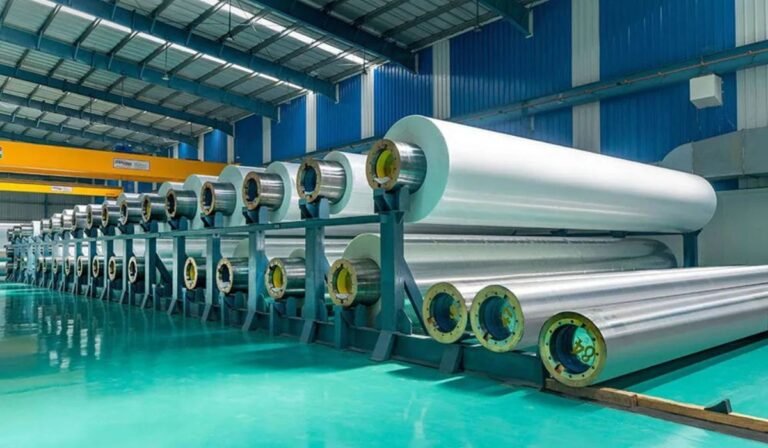
Packaging has always played a vital role in the food industry, but in recent decades, it has evolved from a simple protective layer into a strategic tool for branding, sustainability, and consumer engagement. Dry foods such as cereals, snacks, powdered beverages, spices, pet food, pasta, and baked goods require packaging solutions that preserve freshness while maintaining visual appeal on increasingly competitive retail shelves. As consumer expectations continue to rise, manufacturers are under pressure to adopt materials that deliver both performance and cost efficiency. One material gaining significant attention in this transformation is metallized Cast Polypropylene, commonly known as Metalized Cpp Film. Combining durability, flexibility, and superior barrier properties, this advanced packaging material is redefining how dry foods are stored, transported, and marketed. The shift toward metallized films reflects broader industry trends focused on product safety, extended shelf life, and sustainability without compromising aesthetics.
Traditional Packaging Methods and Their Limitations
Historically, dry food products were packaged using paperboard cartons, glass jars, aluminum cans, and basic plastic films. While each option offered certain advantages, they often fell short of meeting modern logistical and environmental demands.
Paper-based packaging, for instance, offers biodegradability and printability but lacks strong moisture resistance. Exposure to humidity can quickly degrade product quality, leading to clumping, staleness, or microbial growth. Glass containers provide excellent barrier protection but are heavy and fragile, increasing transportation costs and the risk of breakage.
Conventional plastic films improved flexibility and reduced weight; however, many early versions lacked sufficient oxygen and light barriers. These shortcomings could result in flavor loss, discoloration, and reduced nutritional value over time. Additionally, multilayer laminates can pose recycling challenges, making it harder to achieve sustainability goals.
As supply chains expanded globally and consumers demanded longer shelf life with minimal preservatives, the need for high-performance packaging materials became clear. This necessity paved the way for innovations like metallized films.
Understanding Metallized CPP Film
Metallized CPP Film is produced by depositing a thin layer of metal, typically aluminum, onto a cast polypropylene film via vacuum metallization. The result is a lightweight material with enhanced barrier properties that rival traditional foil-based structures while maintaining flexibility.
Unlike brittle alternatives, CPP offers excellent heat resistance and seal integrity, making it ideal for high-speed packaging operations. The metallized surface acts as a protective shield against oxygen, moisture, and UV light—three primary factors that contribute to food spoilage.
Another distinguishing characteristic is its smooth and glossy finish, which enhances print quality and visual impact. Brands can achieve vibrant graphics that attract consumers while ensuring the product inside remains fresh and protected.
Why Barrier Protection Matters for Dry Foods
Dry food products may appear less vulnerable than perishable items, but they are highly sensitive to environmental conditions. Oxygen exposure can cause oxidation, leading to rancidity in products containing fats or oils. Moisture infiltration can alter texture, turning crispy snacks soggy or causing powders to cake.
Light exposure is another underestimated threat. Certain vitamins and pigments degrade under prolonged illumination, affecting both nutritional value and product appearance.
Metallized CPP Film addresses these concerns by creating a stable internal environment. Its low oxygen transmission rate helps preserve flavor profiles, while its strong moisture barrier maintains desired textures. For manufacturers, this translates into reduced waste, fewer returns, and stronger consumer trust.
Enhancing Shelf Life Without Compromising Quality
Extended shelf life is not merely a logistical advantage; it is a financial one. Products that stay fresh longer can travel farther, opening doors to new markets and distribution channels. Retailers also benefit from reduced spoilage, allowing them to manage inventory more effectively.
Metallized CPP Film plays a crucial role in achieving this longevity. Minimizing exposure to degrading elements reduces the need for artificial preservatives. Consumers increasingly prefer foods with cleaner labels, and packaging that naturally supports product stability aligns perfectly with this trend.
Moreover, consistent product quality strengthens brand reputation. When customers repeatedly experience freshness, they develop loyalty, which is invaluable in saturated food categories.
Lightweight Yet Durable: Improving Supply Chain Efficiency
Transportation costs remain one of the largest operational expenses for food manufacturers. Heavy packaging materials increase fuel consumption and carbon emissions, impacting both profitability and environmental footprints.
Metallized CPP Film offers a compelling alternative due to its lightweight structure. Despite being thin, it provides remarkable strength and puncture resistance. This durability ensures that packages withstand handling throughout complex distribution networks.
Reduced weight also allows companies to ship larger quantities in a single load, optimizing logistics while lowering costs. Over time, these efficiencies can significantly enhance overall market performance.
Aesthetic Appeal and Shelf Differentiation
In retail environments where consumers make split-second decisions, packaging often serves as the first point of interaction between a brand and its audience. Visual appeal can influence perception of quality, freshness, and even taste.
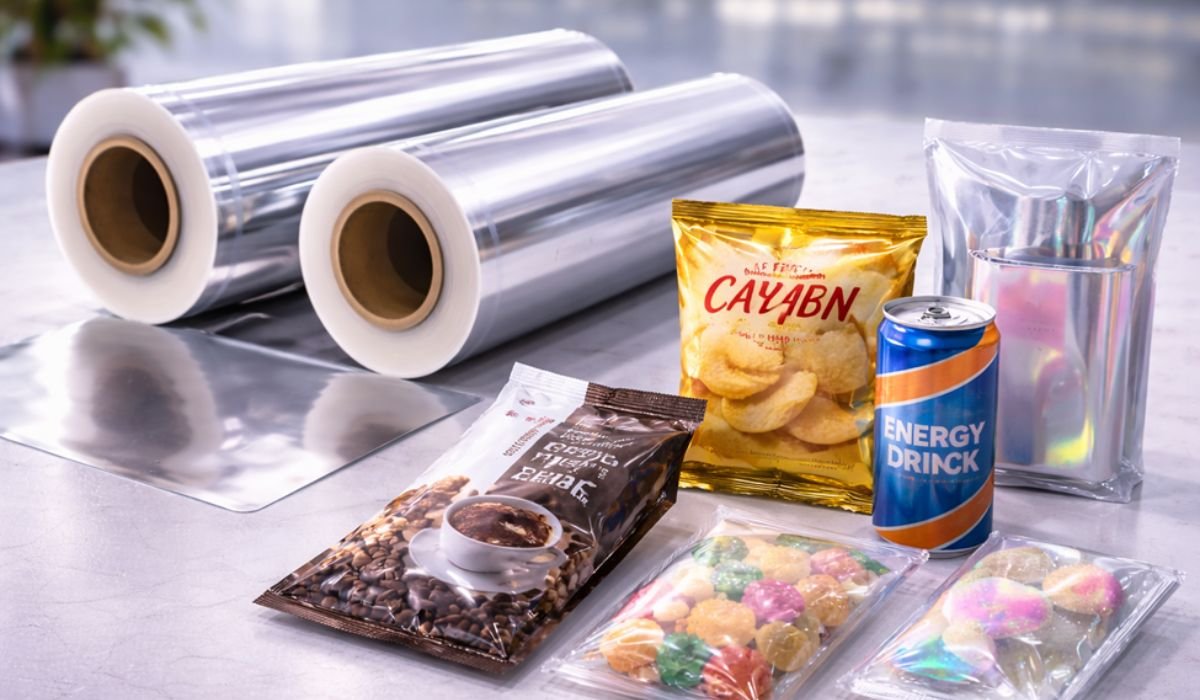
The reflective surface of metallized films naturally captures attention. When combined with advanced printing technologies, it creates a premium look that communicates sophistication. Whether used for gourmet coffee, protein powders, or artisanal snacks, metallized CPP Film helps brands position their products as high-value offerings.
Additionally, the material supports various finishing techniques, including matte effects, embossing, and transparent windows. These design possibilities enable storytelling through packaging, allowing brands to connect emotionally with consumers.
Supporting Sustainability Goals
Sustainability has become a defining priority for modern packaging strategies. Governments, corporations, and consumers alike are advocating for materials that minimize environmental impact without sacrificing functionality.
Metallized CPP Film contributes to these efforts in several ways. Its lightweight nature reduces resource consumption during production and transportation. Compared to traditional foil laminates, metallized films often require less metal, lowering overall material usage.
Furthermore, polypropylene is increasingly compatible with recycling streams in many regions. As recycling technologies continue to advance, the potential for circular packaging solutions grows stronger.
Manufacturers are also exploring mono-material structures that simplify recycling processes. By designing packages primarily from polypropylene, companies can move closer to achieving sustainability targets while maintaining high barrier performance.
Versatility Across Dry Food Categories
One of the standout advantages of Metallized CPP Film is its adaptability. It can be tailored to meet the specific requirements of diverse dry food products.
Snack manufacturers benefit from its ability to preserve crunchiness, while coffee producers rely on its oxygen barrier to maintain aroma. Pet food brands appreciate its strength and resistance to tearing, particularly for larger bags.
The film also performs well in vertical and horizontal form-fill-seal machines, making it suitable for both small sachets and bulk packaging. This versatility reduces the need for multiple packaging materials, simplifying procurement and production processes.
Cost-Effectiveness and Long-Term Value
While advanced materials sometimes carry higher upfront costs, Metallized CPP Film often proves economical over time. Its protective qualities reduce product loss, which directly impacts profitability. Fewer damaged goods mean lower replacement costs and improved relationships with retailers.
Operational efficiency is another financial advantage. Smooth machinability minimizes downtime during packaging runs, increasing throughput. Additionally, the material’s compatibility with high-speed equipment supports large-scale production without compromising quality.
When combined with enhanced shelf appeal and brand differentiation, these benefits create a strong return on investment.
Meeting Regulatory and Safety Standards
Food safety regulations worldwide continue to tighten, requiring packaging materials that prevent contamination and maintain product integrity. Metallized CPP Film is manufactured under controlled conditions that support compliance with food-grade standards.
Its barrier properties help protect against external pollutants, while secure seals prevent tampering. For consumers, this translates into confidence that the food they purchase is safe and uncompromised.
As traceability becomes more important, packaging that maintains consistent quality throughout the supply chain will remain essential.
Technological Innovations Driving Adoption
Advancements in film manufacturing are accelerating the adoption of metallized CPP solutions. Improved metallization techniques now deliver more uniform coatings, enhancing barrier reliability.
Digital printing technologies have also expanded creative possibilities, enabling shorter production runs and personalized packaging. Brands can quickly adapt designs for seasonal promotions or regional preferences without extensive retooling.
Meanwhile, research into nanotechnology and hybrid coatings promises even greater performance. These innovations suggest that metallized films will continue evolving alongside the broader packaging ecosystem.
Consumer Trends Shaping the Future
Today’s consumers are more informed than ever. They seek convenience, transparency, and sustainability, and expect products to remain fresh from first use to last.
Resealable formats, easy-tear openings, and ergonomic designs are becoming standard features. Metallized CPP Film supports these functional enhancements, thereby improving the user experience.
E-commerce growth is another influential factor. Packages must endure longer shipping journeys and multiple handling stages. Durable films help ensure products arrive in excellent condition, reinforcing positive brand impressions.
Challenges and Opportunities Ahead
Despite its many advantages, the transition to metallized packaging requires thoughtful planning. Manufacturers must evaluate equipment compatibility, supply chain availability, and recycling infrastructure.
However, these challenges also present opportunities for collaboration across the packaging value chain. Materials scientists, converters, and brand owners can collaborate to develop solutions that balance performance with environmental responsibility.
As innovation continues, the industry is likely to see further improvements in recyclability and material efficiency, strengthening the case for metallized CPP.
The Strategic Advantage for Brands
Packaging is no longer just about containment; it is a strategic differentiator. Brands that invest in high-quality materials signal their commitment to excellence.
Metallized CPP Film and Retrortable CPP Film (RCPP) supports this positioning by combining protection with premium aesthetics. When consumers associate a package with freshness and reliability, they are more likely to repurchase and recommend the product.
In competitive markets, even small advantages can translate into significant gains. Packaging that enhances both functionality and perception offers a powerful edge.
Conclusion: A Forward-Thinking Approach to Dry Food Packaging
The evolution of dry food packaging reflects broader shifts in technology, consumer behavior, and environmental awareness. As manufacturers search for materials that deliver superior protection while supporting market growth, Metallized CPP Film emerges as a compelling solution.
Its ability to extend shelf life, reduce logistical burdens, enhance visual appeal, and align with sustainability goals positions it at the forefront of modern packaging innovation. While no single material can address every challenge, metallized CPP offers a balanced approach that meets today’s demands while preparing brands for tomorrow.
By embracing this advanced film, companies can protect product quality, strengthen brand identity, and navigate an increasingly competitive landscape with confidence. In a world where packaging influences both perception and performance, adopting metallized CPP Film is more than a material choice—it is a strategic investment in long-term success.
