

Home maintenance rarely announces itself at a convenient moment. A blocked drain, overgrown garden, or neglected outdoor space often becomes noticeable only when it starts causing frustration. For many homeowners, the challenge isn’t a lack of willingness to care for their property, but knowing where to focus attention so maintenance stays manageable. This is why planning and information gathering have become part of modern home care. Before tackling outdoor clean-ups or garden waste, some homeowners start by comparing options like wood chipper vs mulcher to understand which approach fits their space and workload, helping them avoid unnecessary effort later on.
A thoughtful maintenance routine doesn’t just protect a property; it protects time, energy, and peace of mind. Small, consistent actions tend to deliver far greater benefits than occasional large overhauls.
Start With Preventative Thinking
The most effective way to save time and money is to prevent problems before they escalate. Many costly repairs begin as minor issues that went unnoticed or were put off for later. Loose fittings, clogged gutters, or unchecked outdoor debris can quietly develop into larger, more expensive concerns.
A preventative mindset means regularly scanning your home for early warning signs. This doesn’t require technical expertise, just awareness. Short, routine check-ins allow you to spot changes and respond early, often with minimal effort.
Create a Simple Maintenance Schedule
One reason maintenance feels stressful is because tasks pile up. Creating a simple, realistic schedule spreads work evenly across the year. Instead of reacting to everything at once, homeowners can address tasks season by season.
A basic schedule might include checking gutters in autumn, inspecting outdoor paths in winter, refreshing garden areas in spring, and maintaining outdoor furniture in summer. When tasks are predictable, they feel less overwhelming and are easier to fit into daily life.
Tidy Outdoor Areas to Reduce Future Work
Outdoor clutter is more than an aesthetic issue. Piles of branches, leaves, and unused materials create obstacles that make future maintenance harder. They can also contribute to drainage issues or safety hazards.
Keeping outdoor spaces clear reduces the amount of work required later. Processing garden waste efficiently and storing materials neatly helps maintain access and visibility, making future tasks faster and safer.
Use the Right Tools for the Job
Many homeowners lose time and energy by using tools that aren’t suited to the task. Struggling with inappropriate equipment increases fatigue and often leads to unfinished work. Choosing tools that match the scale and nature of a job makes maintenance smoother and more efficient.
This doesn’t mean owning every possible tool. It means understanding which tools reduce effort and repetition. Well-chosen equipment often pays for itself by saving time and preventing physical strain.
Address Small Repairs Immediately
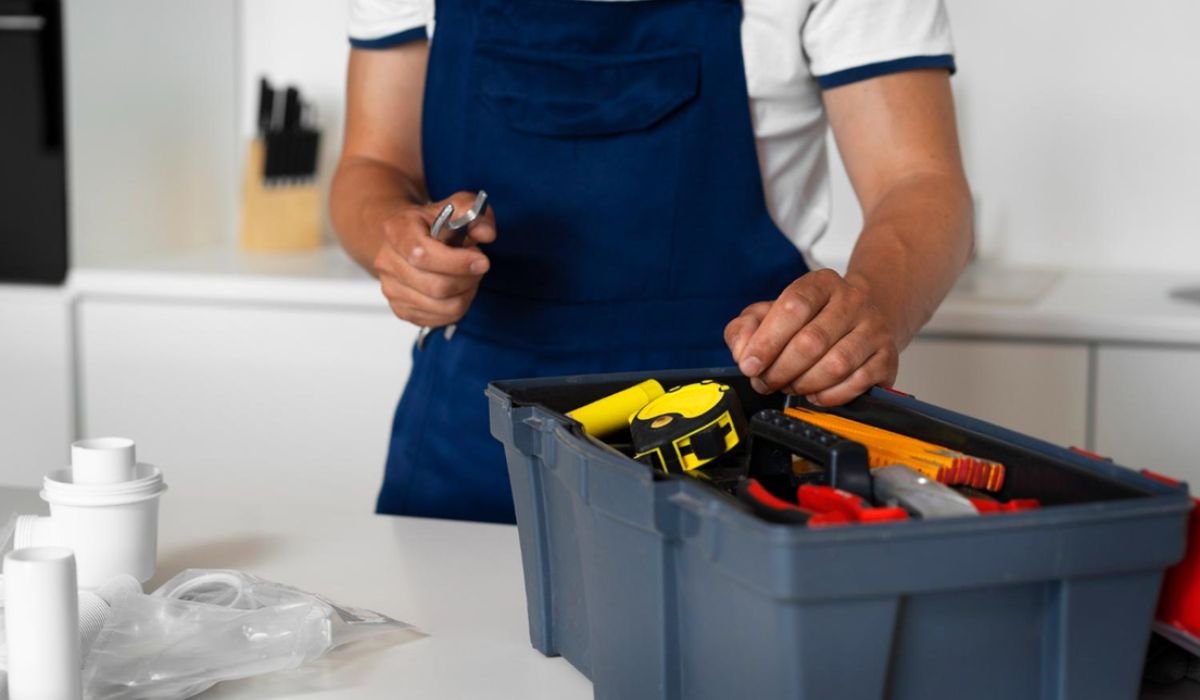
Minor repairs have a way of becoming major ones when ignored. A loose fence panel, cracked paving stone, or dripping tap may seem insignificant at first, but over time these issues worsen.
Taking a few minutes to handle small fixes prevents the stress of dealing with larger repairs later. This habit also builds confidence, as homeowners become more familiar with their property and its needs.
Organise Storage to Save Mental Energy
Disorganisation adds stress long before any work begins. Searching for tools or navigating cluttered storage spaces creates friction that discourages maintenance altogether.
Clear, accessible storage saves both time and mental energy. Grouping tools by purpose, labelling containers, and keeping frequently used items within easy reach turns maintenance from a chore into a straightforward task.
Think Seasonally, Not Reactively
Seasonal thinking helps homeowners stay ahead of maintenance demands. Each season brings predictable challenges, falling leaves, winter moisture, spring growth, and summer wear.
By aligning tasks with the season, homeowners can work with natural cycles rather than against them. This approach reduces surprises and allows maintenance to feel like a routine part of life rather than a series of emergencies.
Reduce Physical Strain to Stay Consistent
Maintenance routines fail when they become physically exhausting. Tasks that cause discomfort or fatigue are more likely to be postponed, creating a cycle of delay and stress.
Reducing physical strain through ergonomic practices and suitable equipment supports consistency. When tasks feel manageable, homeowners are more likely to address them regularly rather than waiting until problems accumulate.
According to the Health and Safety Executive, many domestic injuries occur during routine household activities due to poor preparation or unsuitable tools. Planning and using appropriate equipment helps reduce these risks while making tasks more comfortable.
Focus on High-Impact Areas First
Not all maintenance tasks carry equal importance. Some areas, such as drainage, walkways, and outdoor access points, have a greater impact on safety and long-term condition than purely cosmetic details.
Prioritising these high-impact areas ensures that time and energy are spent where they matter most. Once critical tasks are under control, attention can shift to improvements that enhance comfort or appearance.
Accept “Good Enough” Results
Perfectionism often leads to burnout. Maintenance doesn’t require flawless results to be effective. A tidy garden doesn’t need to be show-ready, and repairs don’t have to look professionally finished to serve their purpose.
Accepting “good enough” outcomes reduces pressure and encourages action. Over time, regular maintenance improves overall condition more reliably than sporadic attempts at perfection.
Build Maintenance Into Everyday Life
The most successful maintenance routines feel integrated rather than separate. Short tasks completed during normal activities, such as clearing a path while taking out rubbish or checking fittings during routine cleaning, prevent work from accumulating.
This integration transforms maintenance into a background habit rather than a disruptive event, helping homeowners stay on top of responsibilities without dedicating entire weekends to repairs.
A Smarter Way to Care for Your Home
Everyday home maintenance doesn’t have to drain time, money, or energy. With preventative thinking, seasonal planning, and thoughtful tool choices, homeowners can keep their properties in good condition with far less stress.
By addressing small issues early, organising workspaces, and focusing on what truly matters, maintenance becomes a manageable part of daily life. The result is a home that feels easier to care for, more comfortable to live in, and far less likely to surprise you with costly repairs when you least expect them.
