
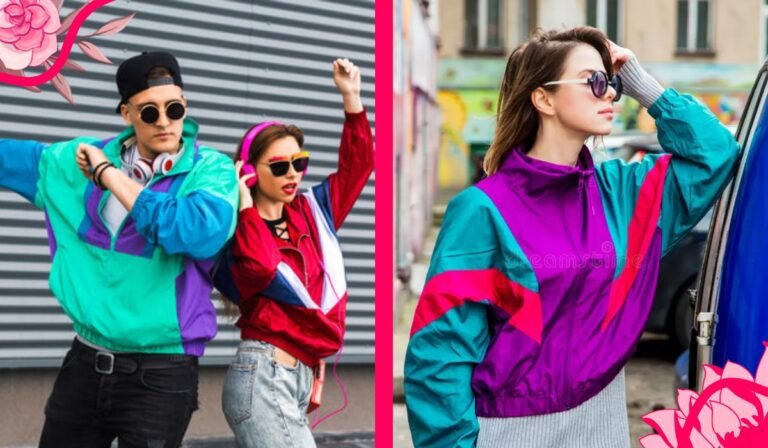
The 90s Fashion were a transformative era in the world of fashion. They bridged the bold excess of the 1980s with the emerging emphasis on individuality, comfort, and self-expression. 90s fashion introduced a unique blend of luxury and streetwear, brought supermodels to global fame, and created trends that continue to influence wardrobes today. From minimalist elegance to rebellious grunge, from hip-hop streetwear to futuristic Y2K styles, this decade defined an entire generation’s approach to clothing and personal style. In this guide, we explore everything you need to know about 90s fashion, its key trends, influential figures, and enduring legacy.
Quick Bio Information
Supermodel Era: Naomi Campbell, Cindy Crawford, Linda Evangelista, and Christy Turlington became global icons, shaping beauty standards and runway culture.
Grunge Fashion: Originated from Seattle’s alternative music scene, defined by bands like Nirvana and Pearl Jam, emphasizing rebellion and authenticity.
Minimalist Designers: Calvin Klein, Jil Sander, and Helmut Lang championed clean lines, neutral tones, and understated elegance.
Iconic TV Style: Rachel Green from Friends popularized casual yet chic clothing that became aspirational for millions.
Hip-Hop Fashion: Artists like Aaliyah, TLC, and Tupac introduced oversized jeans, tracksuits, and streetwear into mainstream fashion.
Runway Innovators: Alexander McQueen and John Galliano revolutionized runway shows with theatrical, artistic, and boundary-pushing designs.
Pop Culture Impact: Clueless and The Fresh Prince of Bel-Air directly influenced teenage fashion and everyday street style.
Y2K Aesthetics: Futuristic trends inspired by films like The Matrix and reflective, metallic fabrics emerged at the turn of the millennium.
Men’s Fashion Icons: Kurt Cobain and Will Smith defined distinct masculine styles, from grunge to hip-hop flair.
Lasting Legacy: 90s fashion continues to inspire modern trends, proving its timeless appeal.
The Cultural And Social Context Of The 1990s
To truly understand 90s fashion, it is essential to consider the broader cultural and social environment. The decade marked a shift from the extravagant excess of the 1980s to a more relaxed, self-expressive approach to style. Economic changes, technological advancements, and the globalization of youth culture created a unique backdrop for fashion. Television, movies, and music videos became powerful style guides, influencing what millions wore worldwide. In cities from New York to Tokyo, fashion became increasingly diverse, accessible, and creative, reflecting a generation eager to experiment with identity and personal expression. The 1990s were not just about clothing—they were a reflection of society’s evolving values and attitudes.
The Era Of Supermodels And Glamour
The 1990s are often remembered as the golden era of supermodels. Naomi Campbell, Cindy Crawford, Linda Evangelista, and Christy Turlington were more than models; they were cultural icons whose influence extended far beyond the runway. Designers like Gianni Versace leveraged their fame, creating campaigns and fashion shows that celebrated confidence, glamour, and aspirational style. This era elevated the profile of models, transforming them into household names and symbols of beauty, sophistication, and power. The supermodel phenomenon reinforced the idea that fashion was not only about clothing but about attitude, presence, and charisma.
Grunge Fashion: Rebellion Meets Style
While the supermodels represented high glamour, the early 90s also embraced rebellion through grunge fashion. Emerging from Seattle’s alternative music scene, grunge style was raw, unpolished, and unapologetically authentic. Bands like Nirvana and Pearl Jam influenced a generation to wear oversized flannel shirts, ripped jeans, worn-out boots, and layered clothing. Marc Jacobs’ controversial 1993 collection for Perry Ellis introduced grunge aesthetics to high fashion, demonstrating that street movements could redefine runway trends. Grunge fashion became a symbol of resistance against consumerism and perfection, emphasizing comfort and individuality over polish.
Minimalism And Chic Simplicity
Contrasting the boldness of other trends, minimalism defined another essential aspect of 90s fashion. Designers such as Calvin Klein, Helmut Lang, and Jil Sander championed clean lines, neutral colors, and understated elegance. Minimalist fashion embraced simplicity, with slip dresses, crisp white shirts, and tailored suits making a statement through refinement rather than extravagance. This approach resonated with a generation seeking authenticity, functionality, and timelessness. Minimalism’s influence is still evident in today’s fashion, where subtlety and sophistication remain highly valued.
Pop Culture And Everyday Style
Television shows and movies had an unprecedented impact on 90s fashion. Rachel Green’s casual chic outfits in Friends inspired millions of women worldwide, blending comfort with style effortlessly. Clueless introduced a playful, preppy aesthetic with plaid skirts, knee-high socks, and pastel suits, influencing teenage wardrobes for years. Meanwhile, The Fresh Prince of Bel-Air and other popular media brought streetwear into mainstream consciousness. Pop culture made fashion relatable and aspirational at the same time, allowing everyone to participate in trends, regardless of their location or budget.
Streetwear And Hip-Hop Influence
Hip-hop culture redefined fashion in the 1990s, transforming it into a global movement. Artists like Tupac, Aaliyah, and TLC popularized oversized denim, tracksuits, sneakers, and bold accessories, merging identity, creativity, and confidence into everyday clothing. Brands such as FUBU, Karl Kani, and Cross Colours thrived by connecting urban style with cultural expression. High-end designers also took note, incorporating street-inspired elements into luxury fashion. This fusion of streetwear and luxury laid the groundwork for many modern fashion collaborations and sneaker culture trends, cementing the 90s as a decade where music and style were inseparable.
Runway Innovation And Designer Creativity
The 1990s were a golden age for runway creativity. Designers like Alexander McQueen, John Galliano, Gianni Versace, Tom Ford, and Miuccia Prada pushed the boundaries of imagination, storytelling, and art. Runway shows became theatrical experiences, blending fashion with performance and narrative. McQueen’s daring collections, Galliano’s dramatic flair, and Prada’s intellectual approach redefined what fashion could express. Designers balanced high art with wearable pieces, shaping contemporary fashion’s vocabulary and influencing how future generations would approach clothing, individuality, and self-expression.
Futuristic And Tech-Inspired Styles
As the decade neared its close, futuristic and technology-inspired trends gained momentum. Metallic fabrics, reflective surfaces, and cyber-inspired designs mirrored society’s excitement and anxiety about the approaching millennium. Films like The Matrix and The Fifth Element shaped popular imagination, inspiring leather coats, reflective sunglasses, and bold metallic outfits. Designers such as Thierry Mugler and Hussein Chalayan experimented with unconventional materials and futuristic silhouettes, blending fashion with sci-fi aesthetics. This Y2K influence foreshadowed the technological integration seen in contemporary streetwear and high-fashion collections today.
Men’s Fashion In The 90s
Men’s fashion underwent a remarkable transformation during the 1990s. The strict tailoring of previous decades gave way to relaxed, casual, and expressive styles. Denim, cargo pants, graphic tees, and sneakers became wardrobe staples. Grunge inspired raw, laid-back looks, while hip-hop promoted bold, oversized clothing and statement accessories. Designers like Giorgio Armani and Calvin Klein modernized menswear with sleek minimalism, while mainstream brands such as Gap and Levi’s made fashionable pieces accessible. The decade offered men freedom to experiment with style, combining comfort with individuality in unprecedented ways.
The Lasting Legacy Of 90s Fashion
The influence of 90s fashion is still visible in 2025. Slip dresses, crop tops, mom jeans, chunky sneakers, flannel shirts, and metallic fabrics regularly appear on runways and streetwear collections. The decade’s emphasis on individuality, creativity, and breaking boundaries continues to inspire designers, brands, and fashion enthusiasts worldwide. 90s fashion taught us that clothing is more than functional; it is a tool for self-expression, confidence, and cultural identity. Its enduring appeal lies in its ability to blend simplicity, rebellion, and futurism into a cohesive and timeless aesthetic.
Final Thoughts
90s fashion was more than a collection of trends—it was a reflection of a generation’s spirit. From minimalist elegance to grunge rebellion, from hip-hop streetwear to futuristic Y2K looks, the decade offered something for everyone. Its legacy lives on in modern fashion, reminding us that style is an ever-evolving form of self-expression. By understanding and embracing the richness of 90s fashion, we not only celebrate a remarkable era but also find inspiration for personal style today.
FAQs About 90s Fashion
What Defined 90s Fashion?
90s fashion was defined by individuality, cultural diversity, and the blend of luxury with streetwear. It emphasized self-expression, from minimalist chic to grunge rebellion and futuristic Y2K aesthetics.
Why Was Grunge So Popular?
Grunge reflected a youth rebellion against consumerism and perfection. Its casual, layered, and worn-in style resonated with authenticity and comfort, influenced by bands like Nirvana and Pearl Jam.
Who Were The Most Influential Designers Of The 90s?
Designers such as Calvin Klein, Gianni Versace, Tom Ford, Alexander McQueen, and John Galliano shaped the decade with innovative runway shows and iconic collections.
What Were The Key Fashion Trends For Women?
Women embraced slip dresses, crop tops, high-waisted jeans, plaid skirts, minimalist suits, chokers, scrunchies, and platform shoes. These pieces balanced casual, playful, and chic elements.
How Did Music Influence 90s Style?
Hip-hop artists popularized oversized jeans, tracksuits, and sneakers, while grunge bands inspired laid-back, rebellious looks. Music was central to defining cultural fashion trends.
Why Is 90s Fashion Still Popular Today?
Its combination of comfort, creativity, and confidence makes 90s fashion timeless. Modern brands frequently revisit the decade’s aesthetics, demonstrating their lasting appeal.
What Was The Biggest Fashion Shift Of The Decade?
The most significant change was a move toward individuality. People began dressing for self-expression rather than trends alone, shaping the modern concept of personal style.
People Also Read: Fashion Nova Men – The Ultimate Guide To Affordable Streetwear Style
