
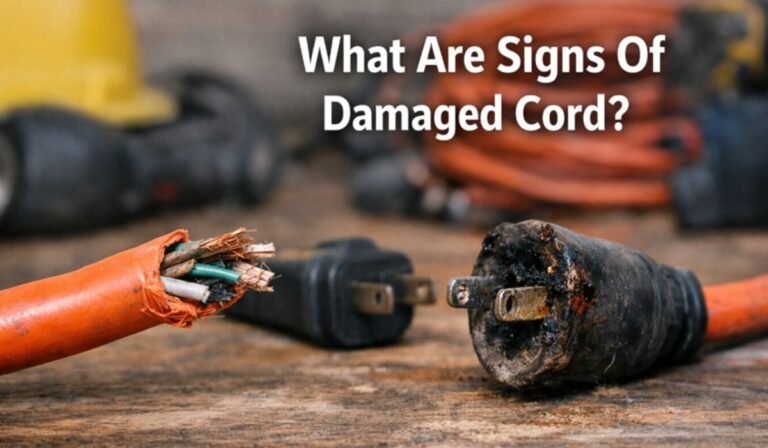
Extension cords often operate in the background, powering essential tools and devices without much attention. However, the moment something goes wrong, whether it’s sparks, overheating, or sudden loss of power, their importance becomes clear.
You may notice a tool not working as well or a plug feeling unusually warm, yet it’s easy to dismiss these as early warning signs.
At the same time, cords intended for heavy-duty applications or outdoor applications are exposed to constant stress, which over time impacts their performance and safety. Overlooking small-scale damage may cause greater risks, such as electric risks and equipment breakdown.
So, how do you know when a cord is no longer safe to use? This article takes you through the major indicators of a damaged cord to enable you to act before the situation deteriorates.
1. Visible Cuts, Cracks, or Fraying
When you first examine a cord, the outer jacket tells you a lot about the condition of the cord. For example, if you’re working with a 10/3 extension cord for high-powered tools, its thick insulation is designed to withstand demanding environments. However, even durable cords may suffer visible wear after long periods of time.
If there are cuts, cracks, or frayed portions, it means that the protective layer has been damaged. As a result, the internal wires could be exposed or weakened. This not only makes it harder to be efficient, but also results in electric shock or short circuits.
In addition, fraying usually happens in the areas of stress, including the place where the cord is frequently bent. Therefore, it’s important to inspect both ends and the whole length on a regular basis. Even minor surface damage should not be overlooked, since it will easily get worse under continual use.
2. Overheating During Use
Another obvious sign of damage is excessive heat. While cords can feel slightly warm under heavy load, they should never become hot to the touch. If you notice unusual warmth, then it is often an indication of internal resistance or faulty wires.
This problem commonly occurs when the cord has been overused, improperly stored, or bent repeatedly. As a result, it is hard for the electrical current to flow efficiently, with heat produced as a byproduct.
In addition, the overheating can result in further degradation of insulation, which creates a cycle of damage and worsens over time. Therefore, if a cord feels hot during the operation, it is better to disconnect it immediately and do a proper inspection before its application.
3. Burn Marks or Discoloration
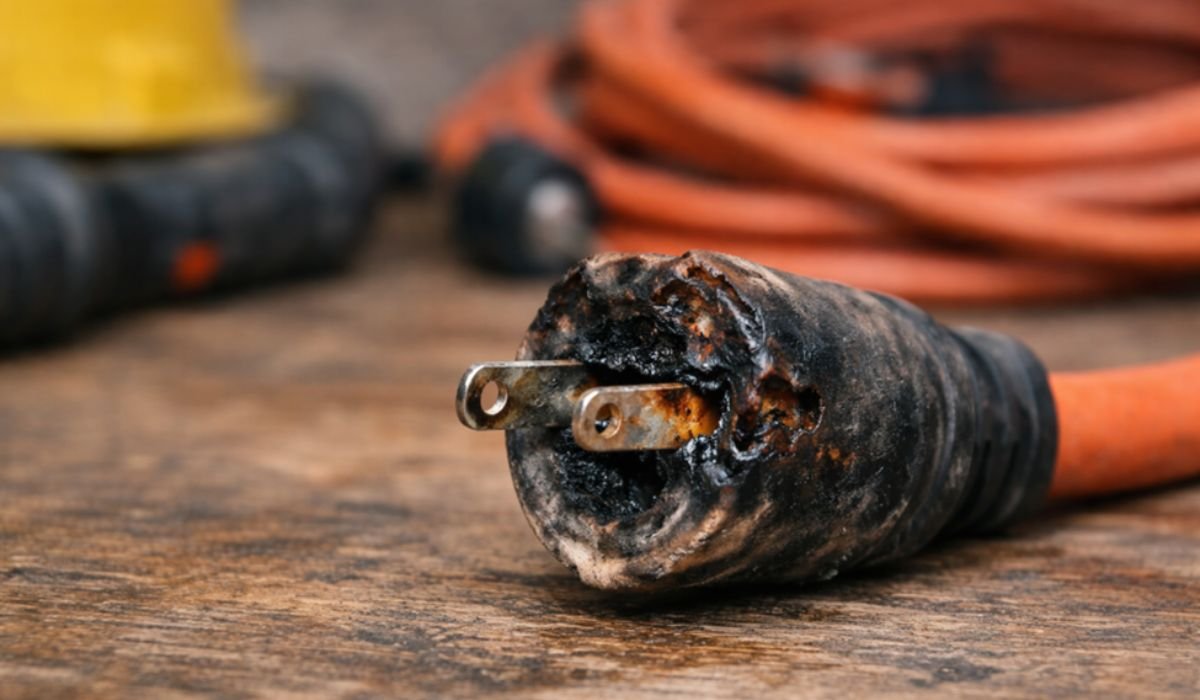
Burn marks are considered one of the gravest signs of a damaged cord. These are generally in the form of dark spots or melted spots on the insulation or close to the end of the plugs.
This discoloration can be caused by electrical arcing, overheating, or exposure to heavy loads. Consequently, the cord integrity is greatly affected.
Moreover, burns are not only cosmetic problems; they indicate that the cord has already been in unsafe conditions. Its further use may result in fire hazards or total failure. This is the reason why any cord that indicates burning must be immediately changed and not repaired or reused.
4. Loose or Damaged Plugs
The plug is a critical connection point, and if it is damaged, it has a direct impact on performance and safety. If the plug is loose when it is inserted in an outlet or if it needs to be adjusted to maintain power, it shows signs of wear or internal damage.
Additionally, bent prongs or cracked plug housings can hinder proper electrical contact. This could result in intermittent power supply, which in the long run could damage connected devices.
The other issue is the internal separation of wires around the plug. Since this area is subject to frequent movement, it is particularly susceptible to stress. Therefore, always ensure that there is firmness and stability when plugging in your cord because even slight looseness may indicate a deeper issue.
5. Intermittent Power or Flickering
If your device turns on and off unexpectedly or flickers while connected, the cord may be the problem. This inconsistency usually points to broken or weakened internal wires.
Unlike visible damage, this issue often goes unnoticed until performance becomes unreliable. However, intermittent power is a strong warning sign that the electrical pathway inside the cord is no longer stable.
Moreover, this can lead to sudden surges or drops in power, which may harm sensitive equipment. Therefore, if you experience inconsistent performance, testing the cord with another device or replacing it altogether is a safer approach.
6. Stiffness, Brittleness, or Loss of Flexibility
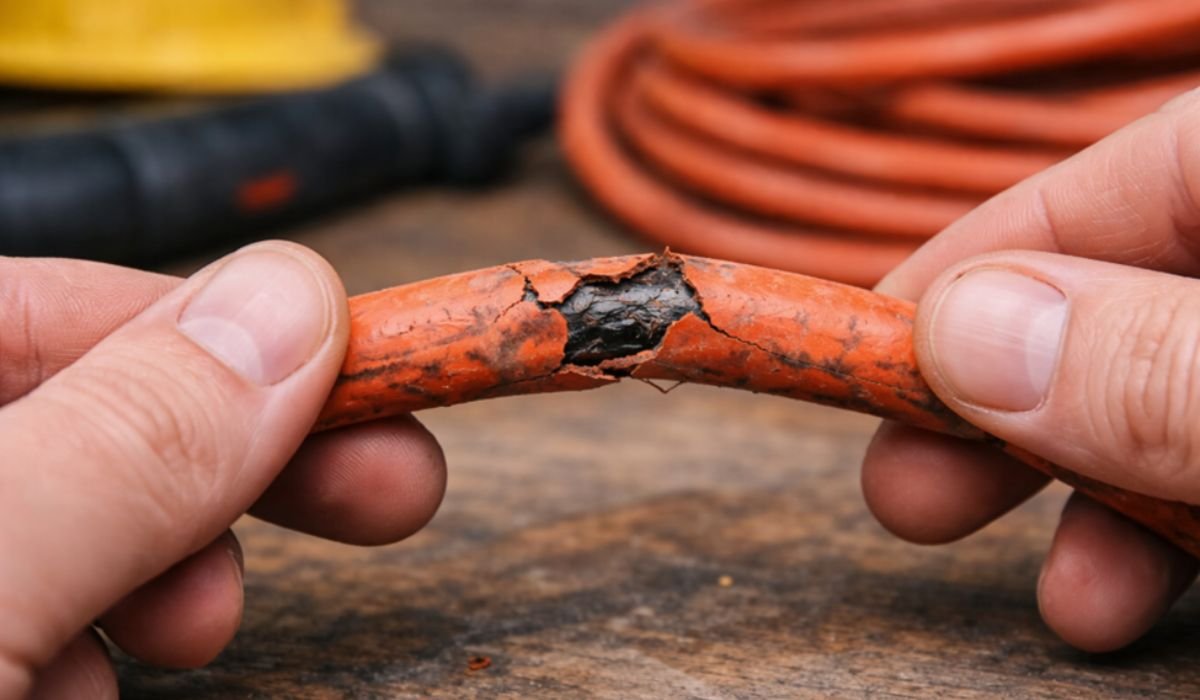
A healthy cord should remain flexible, allowing it to bend without resistance. Over time, exposure to extreme temperatures, moisture, or chemicals can cause the insulation to harden.
When a cord becomes stiff or brittle, it is more likely to crack under pressure. As a result, even normal handling can lead to structural damage.
Additionally, reduced flexibility often indicates that the internal materials have degraded. This not only affects durability but also increases the risk of failure during use. Therefore, if a cord no longer bends smoothly or feels rigid, it should be replaced before it becomes hazardous.
Final Thoughts
Recognizing the signs of a damaged cord is essential for maintaining both safety and performance. While cords are designed to handle demanding conditions, they are not immune to wear and tear.
By paying attention to visible damage, overheating, burn marks, plug issues, inconsistent power, and changes in flexibility, you can identify problems early and prevent more serious risks.
Ultimately, a quick inspection before use can make a significant difference. Instead of waiting for a failure, taking proactive steps ensures that your equipment runs efficiently and your environment remains safe.
