
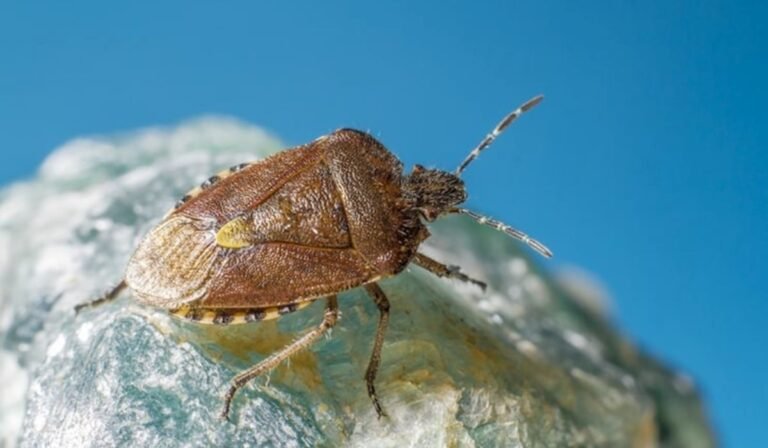
Bed bugs are tiny, but the problems they cause are anything but small. These tiny pests feed on blood, which makes you, your pets, and family a target. And they hide in small cracks and multiply fast, which makes it hard to spot and get rid of them.
Did you know that a single female bed bug can lay up to 200–500 eggs in her lifetime? That’s not just a number—it means a lot. A small issue ignored today can quickly turn into a full-blown infestation within weeks.
And here’s the thing with bed bugs: they don’t just affect comfort—they affect your sleep, health, and deny you peace of mind. Being small, many homeowners don’t notice them immediately. Even once they notice, most are slow to act until bites are uncontrollable.
Prevention and early action make a huge difference. Just follow these steps to protect your home and avoid costly treatments.
1. Start With Inspection
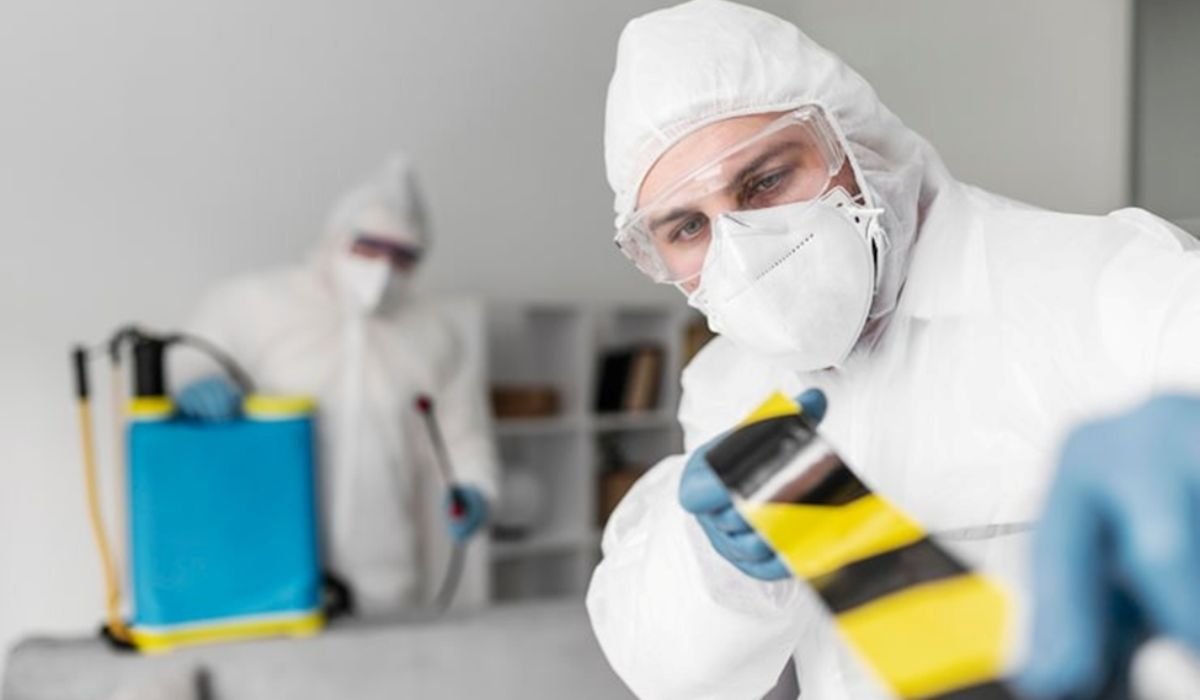
Effective prevention begins with inspection. You want to know the extent or likelihood of pest infestation. DIY can do, but it’s easy to overlook important signs. This is why most homeowners prefer having professionals who do a thorough job.
Bed bugs evolve and become resistant to treatments. Working with local professionals yields the best results—they understand local infestation patterns, can spot even tiny signs, and know what works. For example, if you are in a place like Tulsa, go for reputable bed bug exterminators in Tulsa.
Overall, if you wake up with itchy red bites in clusters or stains on bedding, you might be living with bedbugs. Call in an expert immediately.
2. Declutter and Organize Your Space

Bed bugs thrive in clutter. It gives them the perfect shelter they need to hide and breed. Removing unused items like old boxes, books, or old fabrics doesn’t just keep the room clean and organized; it denies them hiding spots.
If you have items you suspect are infested, seal them in plastic bags. You want to avoid moving them between rooms, as it only spreads the problem.
3. Wash and Heat-Treat Fabrics
Early infestation can be stopped with heat—it kills both bugs and eggs. Simply soak bedding, clothes, and curtains in hot water (at least 60°C). After cleaning, dry them in direct sunlight for at least 30 minutes. Studies show that high heat kills both bugs and eggs instantly.
For items you can’t wash, you can use a dryer or seal them in bags and leave them outside in direct sunlight for a few hours. Sometimes, one wash doesn’t solve everything—repeat the process 2–3 times if needed.
4. Vacuum Thoroughly and Regularly
Vacuuming is a simple bed bug prevention method, but it is very effective. Some of the items to vacuum are bed frames, mattresses, carpets, and furniture. When vacuuming, use a crevice tool to reach tight spaces where bed bugs hide.
After vacuuming, seal and dispose of the vacuum bag outside your home. This strategy often works for removing bedbugs, eggs, and debris that create an enabling environment.
5. Cover Mattress
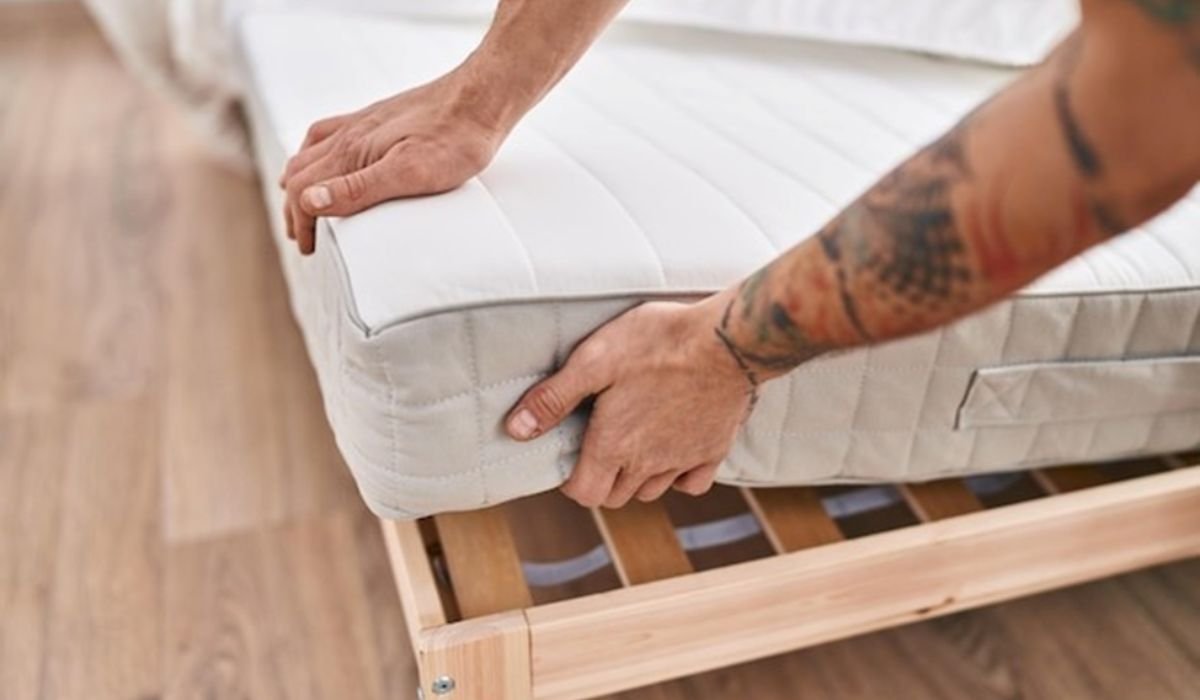
Once bedbugs get into the mattress, getting rid of them is a struggle. This is where mattress encasements help. These specials are a long-term defense strategy. They trap existing bed bugs and prevent new ones from entering. Once sealed, bugs inside lack food and eventually die. For that to happen, you need to keep encasements on for at least 12 months. Bed bugs can survive for a long time without feeding.
6. Apply Targeted Treatments
Sometimes, cleaning isn’t enough. If you have steam-cleaned and nothing seems to work, you can apply EPA-approved insecticides. Instead of random application, focus on spraying hidden areas where bedbugs hide.
But be careful when handling chemicals. Always follow instructions to avoid health risks, especially if you have kids or pets. For serious cases, professional treatment is often the safest and most effective approach.
7. Inspect and Repeat the Process
Here’s the truth about bedbugs: one treatment rarely solves the problem. This is why professionals do follow-ups. Bed bug eggs hatch within 6–10 days. So, you might still notice new bugs even after cleaning.
Always inspect to look for fresh signs—bites, stains, or live bugs and reapply treatment after a week. Persistence pays off here. Most successful removals happen after 2–3 treatment cycles.
8. Prevent Future Infestations
Once your home is clear, your goal should be to keep it that way. That means adopting new habits and safety practices.
When traveling, always check hotel beds and furniture to make sure they are free from bedbugs. Also, keep luggage off the floor and wash clothes immediately after returning.
At home, seal cracks in walls and furniture and create awareness so that everyone keeps monitoring for early signs. Catching the problem early can reduce treatment costs by up to 70%, according to pest control research.
Conclusion
Bed bugs can rob your home of comfort and turn it into a stressful space. But with the right approach, you can stop them before they take over.
It starts with getting everyone at home involved in the prevention. If you notice subtle signs, clean, apply heat and chemical treatment, and do regular inspections. Good habits and quick response play a role in protecting your home and your health.
Sometimes, DIY methods aren’t enough. If the infestation has heavily spread or keeps returning, call professionals. Experts have experience and are well-equipped with advanced methods that can effectively eliminate bed bugs.
Remember, fast response, targeted treatment, and ongoing prevention make all the difference. The result is more comfort, restful sleep, and a safe living environment for your family.
