
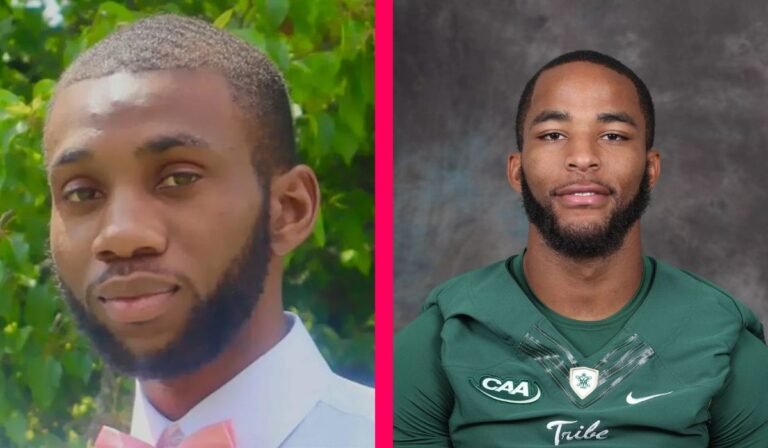
The case of Trey Reed has drawn widespread attention across the United States, not only because of the tragic nature of his death but also because of the questions it has raised about how such cases are investigated and communicated to the public. Trey Reed, a young college student, was found deceased on the campus of Delta State University in Mississippi on September 15, 2025. Authorities quickly labeled the death as a suicide, but his family and several civil rights advocates have called for a deeper and independent investigation. This article explains everything currently known about the Trey Reed case, the official findings, the concerns raised by his family, and the broader historical and social context that has made this case so widely discussed.
Quick Bio Information About Trey Reed
Name | Trey Reed
Age | Young Adult College Student
Hometown | Grenada, Mississippi
Education | Delta State University
Field Of Study | Computer Science
Status | First-Generation College Student
Known For | Academic Ambition And Future Goals
Date Of Incident | September 15, 2025
Location | Delta State University Campus
Initial Report | Death Investigated And Ruled Suicide
Family Position | Disputing Initial Findings
Legal Representation | Ben Crump And Vanessa J. Jones
Public Attention | National Media Coverage And Advocacy Discussion
Advocacy Involvement | Civil Rights Activists And Public Figures
Key Issue | Calls For Independent Investigation
Ongoing Status | Second Autopsy Results Not Public
Who Was Trey Reed
Trey Reed was a computer science major and a first-generation college student from Grenada, Mississippi. He was described by those who knew him as ambitious, focused on building a better future, and committed to his education. Like many students in his position, he was working hard to create opportunities not only for himself but also for his family. His death has therefore been especially painful for those who saw him as a young man full of promise and direction.
Timeline Of Events
Trey Reed was found hanging from a tree on the campus of Delta State University on the morning of September 15, 2025. Campus and local authorities responded shortly after the discovery, and an initial investigation began immediately. Within a short time, officials conducted a preliminary examination of the scene and later moved forward with an autopsy. By September 18, 2025, authorities publicly stated that the cause of death had been ruled a suicide by hanging. The speed of this conclusion became one of the first major points of concern for Reed’s family and supporters.
Official Report And Findings
According to Mississippi medical and law enforcement authorities, the autopsy concluded that Trey Reed’s death was consistent with suicide by hanging. Officials stated that there was no immediate evidence of foul play based on the initial investigation. However, critics of the rapid conclusion have pointed out that complex death investigations often require extensive time, forensic analysis, and contextual review. The quick public ruling has therefore become a central point in the ongoing debate about whether all necessary investigative steps were fully completed before the announcement.
Family Response And Concerns
Trey Reed’s family has publicly challenged the early conclusion of suicide, stating that they have received incomplete and sometimes conflicting information about the circumstances surrounding his death. They have expressed concern about transparency and have requested a separate, independent review of the case. Their response highlights a broader emotional struggle shared by many families in similar situations: the need for clarity, accountability, and reassurance that every possible explanation has been carefully examined.
Legal Advocacy And Support
The case has attracted the involvement of prominent civil rights attorney Ben Crump, along with attorney Vanessa J. Jones, who is also representing the family. In addition, public figures and advocates, including Colin Kaepernick, have supported efforts calling for a more thorough investigation. Political leaders such as Ayanna Pressley and Bennie Thompson have also acknowledged concerns raised in the case and emphasized the importance of transparency in death investigations.
Second Autopsy And Ongoing Review
Following the family’s request, a second independent autopsy was reportedly conducted. However, the results of this examination have not been publicly released at the time of writing. This lack of disclosure has added to ongoing questions and speculation. In many contested cases, independent autopsies are viewed as an important step in ensuring that findings are accurate, unbiased, and based on a complete review of evidence.
Public Reaction And Community Response
Public reaction to the Trey Reed case has been strong and emotional. Many people have expressed sympathy for the family while also questioning whether the investigation was handled with sufficient care. Community discussions have taken place both locally and online, with some focusing on the need for justice and others emphasizing the importance of waiting for verified forensic conclusions. The case has also gained attention from activists and organizations concerned with civil rights and justice system accountability.
Historical Context Of Racial Violence In Mississippi
To understand why this case has sparked broader conversations, it is important to consider Mississippi’s historical context. The state has a documented history of racial violence, including some of the highest recorded numbers of lynchings in the United States during the late 19th and early 20th centuries. This history continues to influence how certain cases are interpreted today, especially when they involve Black individuals found in circumstances that raise public concern. The connection between past and present is part of why the Trey Reed case has resonated far beyond the local community.
Ida B. Wells And The Legacy Of Investigation
The work of investigative journalist and activist Ida B. Wells is often referenced in discussions like this because of her pioneering efforts to document and challenge how Black deaths were reported in the media. Wells frequently exposed how official accounts sometimes failed to fully investigate or accurately describe racial violence. Her legacy is used today as a reminder of the importance of careful reporting, independent verification, and resisting premature conclusions in sensitive cases.
Questions About Investigation Transparency
One of the central issues raised in the Trey Reed case is transparency. Families and advocates have questioned how quickly conclusions were reached and whether all forensic steps were fully communicated to the public. In any death investigation, especially those involving young individuals on college campuses, transparency plays a key role in building trust between institutions and the communities they serve. The absence of detailed public information can often lead to misunderstanding, mistrust, and ongoing uncertainty.
Competing Perspectives On The Case
At the center of the debate are two perspectives. On one hand, official reports have indicated suicide based on forensic findings. On the other hand, the family and supporters argue that more information is needed before such a conclusion can be fully accepted. Both perspectives highlight the complexity of death investigations and the emotional difficulty involved when official conclusions and family concerns do not fully align. This tension is common in cases that attract national attention.
Broader Social And Cultural Discussion
Beyond the specific details of the case, the Trey Reed story has become part of a larger conversation about how society interprets and responds to Black deaths in the United States. Some commentators have pointed to systemic issues in how investigations are conducted and communicated, while others emphasize caution in drawing conclusions without complete evidence. These broader discussions reflect ongoing debates about justice, trust, and the role of institutions in sensitive cases.
Campus Safety And Institutional Trust
The fact that Trey Reed was a student at Delta State University has also raised questions about campus safety and institutional responsibility. Universities are expected to provide secure environments and clear communication when incidents occur on campus. In cases like this, how institutions respond can significantly affect public confidence. The situation has therefore led to discussions about how colleges handle crises and support affected families.
Final Thoughts
The Trey Reed case remains an ongoing and sensitive matter that continues to evolve as more information is sought and reviewed. While official findings have pointed to suicide, the concerns raised by his family and supporters highlight the importance of thorough investigations and clear communication in cases of sudden death. Beyond the facts of the case itself, the discussion it has generated reflects deeper questions about trust, transparency, and how society handles complex and emotional situations. As more details emerge, the focus remains on understanding the truth fully and respectfully while honoring Trey Reed’s life and the questions still surrounding his death.
Frequently Asked Questions About Trey Reed
What Happened To Trey Reed?
Trey Reed was found deceased on the campus of Delta State University on September 15, 2025. Authorities later ruled the death a suicide, though the case continues to be discussed publicly.
Why Is The Trey Reed Case Controversial?
The case is controversial because of concerns raised by his family and advocates regarding the speed of the official ruling and the need for further independent investigation.
Who Is Representing Trey Reed’s Family?
Civil rights attorney Ben Crump and attorney Vanessa J. Jones are representing the family in their pursuit of further review.
Was A Second Autopsy Conducted?
Yes, an independent second autopsy was reportedly conducted, but its results have not been publicly released.
What Did Authorities Conclude?
Authorities initially concluded that Trey Reed’s death was consistent with suicide based on their investigation and autopsy findings.
Why Are Activists Involved In The Case?
Activists and public figures have become involved to support calls for transparency, independent review, and a clearer understanding of the circumstances.
What Is The Public Concern About This Case?
Public concern largely centers on whether the investigation was fully transparent and whether all possible explanations were thoroughly examined.
Recommended For You: Felicity Blunt: Inside The Life And Career Of Stanley Tucci’s Wife
