
Introduction
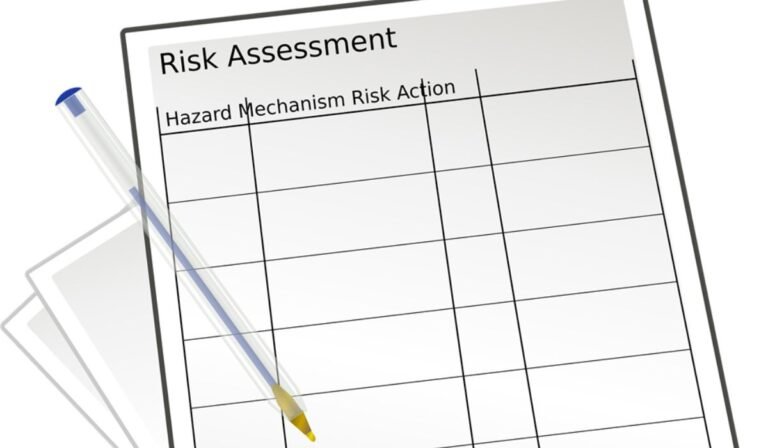
Workplace safety has evolved significantly with advances in technology. Organisations have now automated Hazard Identification and Risk Assessment (HIRA) by automating the risk control system, whereas, in contrast to conventional methods, manual hazard identification and risk assessment relied on paperwork and physical inspections.
Although effective, the process was time-consuming and not as prompt as automated hazard identification and risk assessment. Therefore, the latest occupational health and safety management system software is more accurate, prompt and ensures real-time monitoring of operations.
Learn more to figure out who is responsible for conducting hazard assessment, hazard identification and risk assessment systems and more.
Understanding HIRA
Hazard Identification and Risk Assessment (HIRA) is a mandatory safety and security maintenance system that must be followed by every organisation when hazardous activities are involved. The aim is to:
- Prevent accidents, injuries and property damage.
- Implement effective control measures to ensure a safe working space.
- Maintain health, safety and operational efficacy control measures.
- Promote legal compliance and promptly report potential dangers.
- Reduce financial losses and promote the overall workplace safety culture.
Organisations dealing with construction, oil, gas, manufacturing and healthcare.
Hazard Identification and Risk Assessment
– Hazard Identification
- Hazard identification is an essential part of workplace safety and risk management. Hazards can include everything ranging from a wet floor causing slips and electrical risk to major technical faults, fires and accidents.
- Hazard Identification also includes new chemical substances that demand careful evaluation of properties, storage handling and even employee training.
- Another category of hazard assessment includes psychological stressors such as heavy workloads, poor employee relationships, and a lack of support that can impact employee health and general well-being.
– Risk Assessment
- Risk assessment is a systematic process used to identify workplace hazards and evaluate the risks associated with them.
- Various risk management and assessment tools helps organisations understand the likelihood and impact of potential hazards and determine relevant control measures.
- Risk assessment supports decision-making by prioritising actions needed to reduce or eliminate risks for the maintenance of workplace safety.
Who Is Responsible For Conducting Hazard Assessment?
Risk assessment officers, external compliance managers, internal and external auditors and EHS (Environment, Health and Safety) supervisors ensure that hazard assessment and risk management operations are relevant and upgraded as per the guidelines.
Hazard identification and risk assessment are conducted by security management teams. The aim of the following hazard identification and risk assessment categories is to identify, evaluate and control potential threats according to the size of the industries.
– Conducting Large-Scale Hazard Assessments
Large-scale assessments are conducted in complex and high-risk industries. For instance, nuclear power, oil and gas are three industries in which the management and the leadership must incorporate hazard assessment measures at every step.
Quantitative Risk Assessment is one such method through which major risks are evaluated accurately. This helps an organisation to measure potential risks, predict consequences and implement strong safety controls to curb operational failures and prevent large-scale accidents.
– Conducting Required Specific Hazard Assessments
Required specific assessments are conducted to comply with legal regulations related to workplace safety. These assessments focus on particular hazards such as hazardous substances, manual handling or chemical exposure.
ISO 45001 specifies guidelines for organisations to identify risks, conduct job safety analysis and safeguard their employees and ensure compliance with other international health and safety standards.
– Conducting General Hazard Assessments
General assessments are used to identify and manage common workplace hazards that may affect employee safety and operational continuity. Every organisation must conduct this basic hazard assessment as per OSHA and HSE regulations.
These regulations aim to maintain safe working conditions, lower the frequency of accidents and promote overall health and safety awareness among employees.
Conclusion
HIRA, once automated, is not a complicated procedure for businesses whether big or small . By installing the latest health and safety management software, a business owner can identify hazards promptly and assess risks at the right time. Opting for the latest HIRA software is essential to preventing injuries and accidents, maintaining operational continuity and ensuring compliance with legal standards. Since safety is a shared responsibility of all employees, staying consistent with the maintenance of safety standards is essential for businesses to maintain trust among customers and stakeholders.
Frequently Asked Questions
- 1 What are the 4 categories under which a hazard is assessed?
Answer: The 4 categories under which a hazard is assessed are biological hazard assessment, chemical hazard assessment, physical hazard assessment and ergonomic hazard assessment. This helps the timely identification of dangers to ensure employee well-being by implementing appropriate control strategies and includes training of employees.
- 2 What are the 5 steps to be followed while implementing a risk assessment system?
Answer: The 5 steps to be followed while implementing a risk assessment system are hazard identification, hazard assessment, risk or hazard control, recording findings and reviewing or renewing controls. A risk assessment system aims to evaluate potential hazards and ensure consistent compliance with the latest regulatory standards.
- 3 Which is the best and most prompt way to identify risks?
Answer: A comprehensive workplace inspection at regular intervals is the best way to identify risks and maintain compliance. Regular employee consultation, completing task analysis and reviewing incident reports are other essential steps. All potential hazards that can arise in a workplace are considered to ensure the timely curbing of risks.
- 4 What are the 4 main pillars of an occupational health and safety management system?
Answer: The 4 pillars that ensure proper implementation of an occupational health and safety management system are framing an appropriate safety policy, implementing a safety risk management system, providing the staff and the stakeholders with a safety assurance and promoting safety proactively by the leadership and the higher management.
- 5 What are the requirements of ISO 45001?
Answer: ISO 45001 that global standard of safety and security that specifies legal ways to ensure occupational health and safety management systems. A systematic approach towards managing the health and safety of employees is adopted by organisations that follow ISO 45001. The aim is to create a safe working environment as per the requirements or guidelines outlined in the standard.
